
“`html
The Significance and Security of healthcare Professional Signatures
The Significance and Security of Healthcare Professional Signatures
In the intricate and highly regulated world of healthcare, signatures are more than just a mark on a page or a digital imprint. They are a cornerstone of accountability, legality, and patient safety. For healthcare professionals (HCPs), the act of signing a document, whether it’s a prescription, a patient chart, or a consent form, carries immense weight. This article delves into the multifaceted significance of HCP signatures, exploring their legal implications, security considerations, and evolving role in the digital age.
The Legal Foundation of Healthcare Signatures
Signatures in healthcare serve as a legal testament to the authenticity and validity of medical records. They establish a clear link between the HCP and the documented information, ensuring accountability and traceability. Here’s a breakdown of the legal aspects:
Legal Validity and Authentication
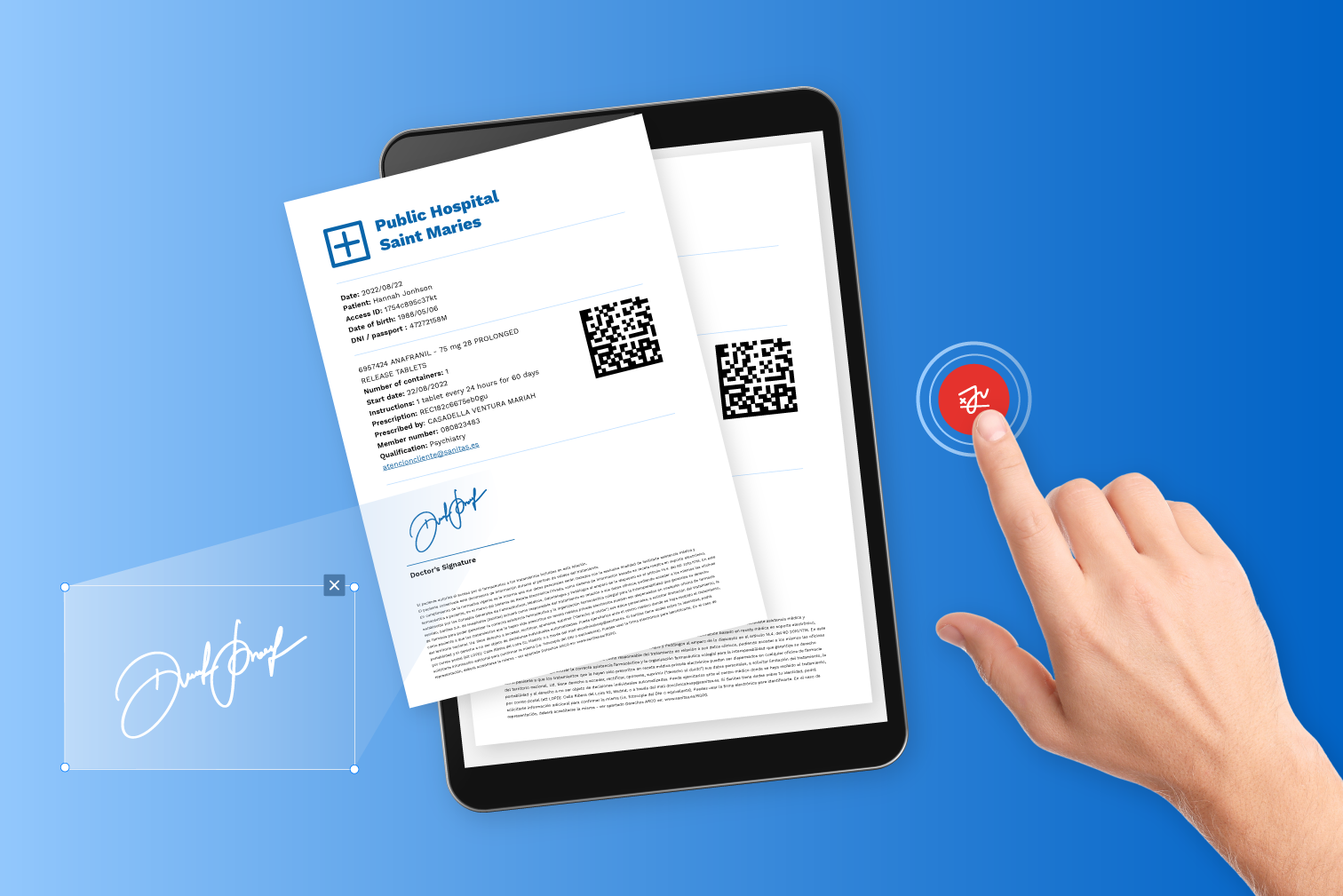
A signature, traditionally a handwritten mark, signifies that the HCP has reviewed and approved the content of the document. This act of authentication is crucial for legal purposes, particularly in cases of medical malpractice or litigation. In most jurisdictions, electronic signatures, when compliant with relevant regulations, hold the same legal weight as handwritten signatures.
Prescription Authority
One of the most critical applications of HCP signatures is in prescription writing. A valid prescription requires the authorized signature of a physician, nurse practitioner, or other licensed prescriber. This signature confirms that the medication is prescribed legally and appropriately, protecting both the patient and the prescriber.
Consent Forms

Informed consent is a fundamental ethical and legal principle in healthcare. Patient consent forms, signed by both the patient and the HCP, document that the patient has been adequately informed about the risks, benefits, and alternatives of a proposed treatment or procedure. The HCP’s signature verifies that they have provided the necessary information and answered any questions.
Medical Records and Documentation
Accurate and complete medical records are essential for continuity of care and legal protection. HCP signatures on patient charts, progress notes, and other medical documents validate the accuracy and reliability of the recorded information. These signatures are crucial for audits, investigations, and legal proceedings.
Security Considerations in Healthcare Signatures

Given the sensitive nature of medical information, the security of HCP signatures is paramount. Both handwritten and electronic signatures are vulnerable to fraud and misuse. Robust security measures are necessary to protect the integrity of these signatures.
Handwritten Signatures: Vulnerabilities and Safeguards
Handwritten signatures, while traditionally accepted, are susceptible to forgery. Safeguards include:
Maintaining signature logs: Hospitals and clinics often keep signature logs for authorized HCPs, which can be used to verify the authenticity of signatures.
Implementing strict access controls: Limiting access to prescription pads and medical records can prevent unauthorized use of HCP signatures.
Regular audits: Periodic audits of medical records can detect discrepancies and potential forgeries.
Electronic Signatures: Security Measures
Electronic signatures offer enhanced security features, but they also require robust security measures to prevent unauthorized access and tampering. Key security measures include:
Digital certificates: Digital certificates, issued by trusted authorities, verify the identity of the signer and ensure the integrity of the signature.
Encryption: Encryption protects the signature and the associated document from unauthorized access and modification.
Multi-factor authentication: Requiring multiple forms of authentication, such as passwords, biometrics, or security tokens, adds an extra layer of security.
Audit trails: Detailed audit trails track all actions related to the electronic signature, providing a record of who signed the document and when.
Biometric Signatures
Biometric signatures, which use unique biological characteristics such as fingerprints or retinal scans, offer a high level of security. However, they also raise privacy concerns and require specialized technology. The use of biometric signatures is still evolving in healthcare.
The Evolving Role of Signatures in the Digital Age
The healthcare industry is undergoing a digital transformation, with the increasing adoption of electronic health records (EHRs), telehealth, and other digital technologies. This shift has significant implications for HCP signatures.
Electronic Health Records (EHRs)
EHRs have replaced paper-based medical records in many healthcare settings. Electronic signatures are integral to EHR systems, enabling HCPs to sign documents digitally. This improves efficiency, reduces errors, and enhances security.
Telehealth and Remote Care
Telehealth, which involves providing healthcare services remotely, relies heavily on electronic signatures. Electronic prescriptions, consent forms, and other documents can be signed digitally, facilitating remote care delivery.
Blockchain Technology
Blockchain technology, with its decentralized and immutable ledger, has the potential to revolutionize the security and integrity of HCP signatures. Blockchain-based signature systems can provide a tamper-proof record of signatures, enhancing trust and transparency.
Mobile Health (mHealth)
Mobile health applications are increasingly used for patient monitoring, medication management, and other healthcare services. Mobile signatures enable HCPs to sign documents on their smartphones or tablets, improving accessibility and convenience.
Challenges and Considerations
Despite the advancements in digital signature technology, several challenges and considerations remain:
Interoperability
Ensuring interoperability between different EHR systems and signature platforms is crucial for seamless data exchange and signature verification. Standardized protocols and formats are necessary to facilitate interoperability.
Regulatory Compliance
HCPs must comply with various regulations and standards related to electronic signatures, such as HIPAA, GDPR, and eIDAS. Staying up-to-date with these regulations is essential for legal compliance.
User Adoption and Training
Successful implementation of electronic signature systems requires adequate user training and support. HCPs need to be familiar with the technology and its security features.
Privacy and Data Protection
Protecting patient privacy and data security is paramount. Robust security measures and compliance with privacy regulations are essential to maintain patient trust.
Best Practices for Healthcare Professional Signatures
To ensure the integrity and security of HCP signatures, healthcare organizations should adopt the following best practices:
Implement Strong Authentication Measures
Use multi-factor authentication, digital certificates, and other strong authentication methods to verify the identity of signers.
Maintain Detailed Audit Trails
Keep comprehensive audit trails that record all actions related to signatures, including who signed the document, when, and where.
Provide Regular Training and Education
Educate HCPs about the legal implications and security requirements of signatures, both handwritten and electronic.
Conduct Regular Security Audits
Perform periodic security audits to identify and address vulnerabilities in signature systems.
Ensure Regulatory Compliance
Stay informed about and comply with all relevant regulations and standards related to signatures and data protection.
Use Standardized Signature Protocols
Adopt standardized signature protocols and formats to ensure interoperability and compatibility between different systems.
Conclusion
Healthcare professional signatures are a vital component of the healthcare ecosystem, serving as a cornerstone of accountability, legality, and patient safety. As the healthcare industry continues to embrace digital technologies, the role of signatures is evolving. Electronic signatures offer enhanced security, efficiency, and accessibility, but they also require robust security measures and compliance with regulations. By adopting best practices and staying informed about the latest advancements, healthcare organizations can ensure the integrity and security of HCP signatures, protecting both patients and professionals.
“`
:max_bytes(150000):strip_icc()/EW-Meal-Plans-Healthy-Weight-Gain-Day-4-1x1-alt-81577102cff74485ac146541976d8b22.jpg?resize=200,135&ssl=1 "Fueling Up: High-Protein Meals For Healthy Weight Gain")


