
Unlocking Your Body’s Master Antioxidant: A Deep Dive into Glutathione
Glutathione, often hailed as the body’s “master antioxidant,” plays a pivotal role in maintaining optimal health. This powerful tripeptide, composed of cysteine, glutamate, and glycine, is naturally produced within our cells. However, factors like aging, poor diet, stress, and environmental toxins can deplete glutathione levels, impacting our overall well-being. Understanding glutathione’s functions, the signs of deficiency, and strategies to boost its production is crucial for achieving and maintaining vibrant health.
Glutathione’s primary function revolves around its antioxidant properties. It neutralizes free radicals, unstable molecules that damage cells and contribute to aging and various diseases. Beyond this core function, glutathione participates in numerous vital processes:
Detoxification
Glutathione plays a crucial role in detoxifying harmful substances, including heavy metals, pollutants, and metabolic byproducts. It binds to these toxins, making them water-soluble and easier to eliminate from the body.
Immune System Support
Glutathione is essential for a robust immune system. It supports the proliferation and activity of lymphocytes, the white blood cells responsible for fighting infections and diseases.
DNA Synthesis and Repair
Glutathione is involved in DNA synthesis and repair, crucial for maintaining genetic integrity and preventing mutations that can lead to cancer and other health problems.
Enzyme Function
Glutathione acts as a cofactor for several enzymes involved in various metabolic processes, including the production of proteins and other essential molecules.
Cellular Signaling

Glutathione participates in cellular signaling pathways, influencing cell growth, differentiation, and apoptosis (programmed cell death).
When glutathione levels are low, the body’s ability to combat oxidative stress and maintain optimal function is compromised. This can manifest in various symptoms:
Fatigue and Weakness
A persistent feeling of tiredness and lack of energy can be a sign of glutathione deficiency.
Muscle Aches and Joint Pain

Glutathione’s role in reducing inflammation makes it crucial for muscle and joint health. Low levels can lead to increased pain and discomfort.
Weakened Immune System
Frequent infections, slow wound healing, and increased susceptibility to illness can indicate a compromised immune system due to glutathione deficiency.
Cognitive Decline
Glutathione’s neuroprotective properties are essential for brain health. Deficiency can contribute to memory problems, difficulty concentrating, and other cognitive issues.
Skin Problems
Glutathione’s antioxidant and detoxifying effects are vital for healthy skin. Low levels can lead to premature aging, wrinkles, and skin discoloration.
Sleep Disturbances
Glutathione plays a role in regulating sleep cycles. Deficiency can contribute to insomnia and other sleep disorders.
While glutathione supplements are available, focusing on natural strategies to enhance its production can be more effective and sustainable.
Consume Sulfur-Rich Foods
Sulfur is a crucial component of glutathione. Incorporate sulfur-rich foods like garlic, onions, broccoli, cauliflower, Brussels sprouts, and kale into your diet.
Increase Selenium Intake
Selenium is a cofactor for glutathione peroxidase, an enzyme that utilizes glutathione to neutralize free radicals. Include selenium-rich foods like Brazil nuts, tuna, sardines, and chicken.
Consume Foods Rich in Vitamin C and E
Vitamins C and E work synergistically with glutathione to protect cells from oxidative damage. Citrus fruits, berries, bell peppers, spinach, almonds, and sunflower seeds are excellent sources.
Include Whey Protein in Your Diet
Whey protein contains cysteine, a precursor to glutathione. Consuming whey protein can help boost glutathione production.
Engage in Regular Exercise
Moderate exercise can increase glutathione levels. However, excessive or strenuous exercise can deplete glutathione, so finding the right balance is essential.
Manage Stress
Chronic stress can deplete glutathione levels. Practice stress-reducing techniques like meditation, yoga, or deep breathing exercises.
Ensure Adequate Sleep
Sufficient sleep is crucial for glutathione production. Aim for 7-9 hours of quality sleep each night.
Limit Exposure to Toxins
Minimize exposure to environmental toxins like pesticides, pollutants, and heavy metals. Choose organic foods, use natural cleaning products, and filter your drinking water.
Consider Supplementation (with caution)
While a healthy lifestyle is the foundation for optimal glutathione levels, supplementation can be beneficial in certain cases.
N-Acetylcysteine (NAC)
NAC is a precursor to glutathione and can effectively boost its production.
Alpha-Lipoic Acid (ALA)
ALA helps regenerate glutathione and other antioxidants.
Milk Thistle
Milk thistle contains silymarin, which can increase glutathione levels.
Methylation Support
Supporting methylation pathways with B vitamins, folate, and betaine can aid glutathione synthesis.
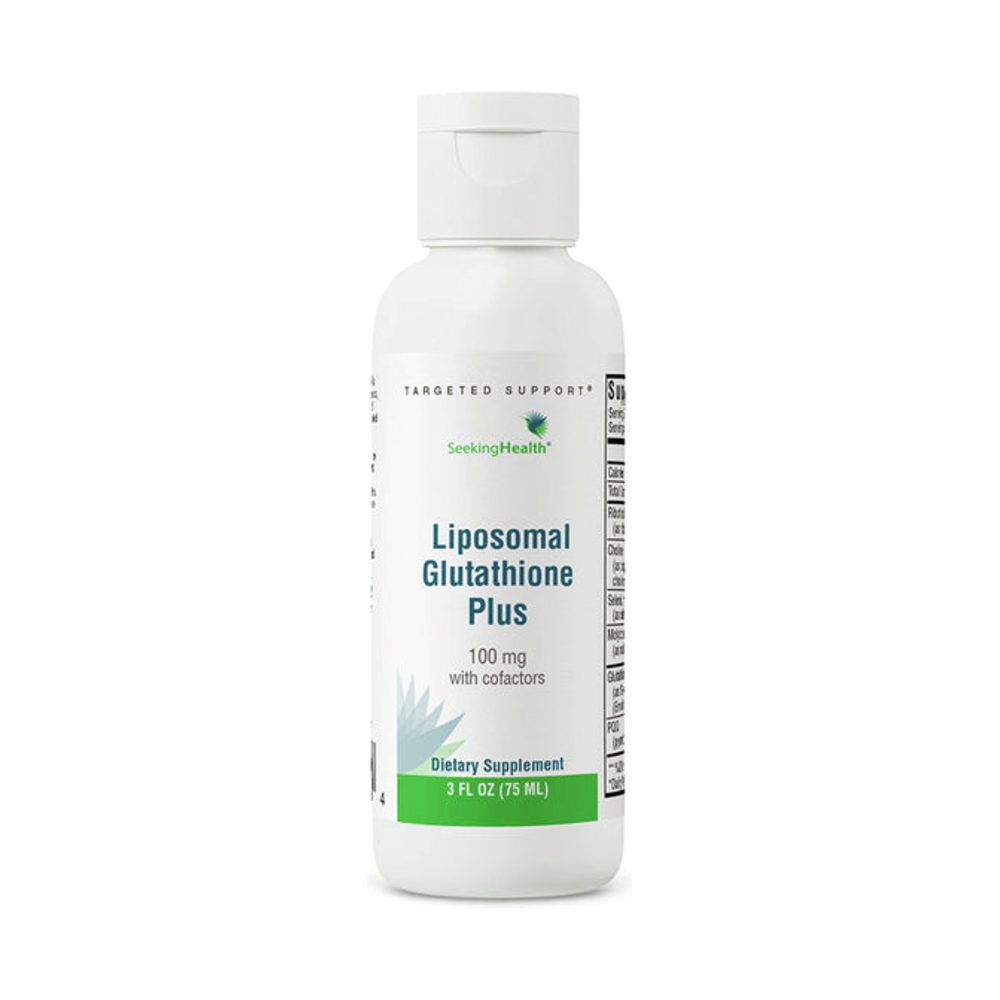
While oral glutathione supplements are available, their effectiveness is debated due to poor absorption in the digestive system. Liposomal glutathione, which encapsulates glutathione in lipid vesicles, may offer better absorption. However, consulting with a healthcare professional is crucial before starting any supplementation regimen.
Dosage and Forms
The appropriate dosage of glutathione supplements varies depending on individual needs and health conditions. Consult with a healthcare provider to determine the right dosage and form for you.
Potential Side Effects
While generally safe, glutathione supplements can cause side effects like abdominal cramps, bloating, and allergic reactions in some individuals.
Interactions with Medications
Glutathione can interact with certain medications, such as chemotherapy drugs and acetaminophen. Inform your healthcare provider about all medications and supplements you are taking.
Glutathione’s diverse functions make it relevant to various health conditions.
Liver Health
Glutathione plays a vital role in liver detoxification and protection. It can be beneficial for individuals with liver diseases like hepatitis and fatty liver disease.
Neurological Disorders
Glutathione’s neuroprotective properties make it relevant to neurological disorders like Parkinson’s disease, Alzheimer’s disease, and multiple sclerosis.
Cardiovascular Health
Glutathione’s antioxidant effects can protect against oxidative damage to blood vessels and reduce the risk of cardiovascular disease.
Autoimmune Diseases
Glutathione’s role in immune regulation makes it relevant to autoimmune diseases like rheumatoid arthritis and lupus.
Cancer Prevention and Treatment
Glutathione’s antioxidant and detoxifying effects can help protect against cancer development. However, its role in cancer treatment is complex and requires further research.
Ongoing research continues to explore the diverse roles of glutathione in health and disease. Future studies may uncover new therapeutic applications for glutathione and develop more effective strategies to boost its levels.
Glutathione is a crucial antioxidant and detoxifying agent that plays a vital role in maintaining optimal health. By adopting a healthy lifestyle that includes a balanced diet, regular exercise, stress management, and adequate sleep, you can naturally enhance your body’s glutathione production. Consulting with a healthcare professional can help you determine if glutathione supplementation is appropriate for your individual needs. By prioritizing glutathione, you can unlock your body’s natural defense system and pave the way for a healthier and more vibrant life.
:max_bytes(150000):strip_icc()/EW-Meal-Plans-Healthy-Weight-Gain-Day-4-1x1-alt-81577102cff74485ac146541976d8b22.jpg?resize=200,135&ssl=1 "Fueling Up: High-Protein Meals For Healthy Weight Gain")


