:max_bytes(150000):strip_icc()/Paleo-Food-Pin-v2-a8589877ee9b4dce9a297884b448aa0f.jpg?ssl=1 "Optimizing Nutrition: A Deep Dive Into The Paleo Diet")
# The Paleo Diet: A Comprehensive Nutritional Review
The Paleo diet, often dubbed the “Stone Age diet” or “caveman diet,” has garnered significant attention in recent decades as a dietary approach aimed at mirroring the eating patterns of our Paleolithic ancestors. Proponents argue that by consuming foods available to humans during the Stone Age—roughly 2.5 million to 10,000 years ago, before the advent of agriculture—we can mitigate many of the chronic diseases prevalent in modern society. This extensive article delves into the nutritional underpinnings of the Paleo diet, examining its core principles, the foods it emphasizes and restricts, its potential benefits, and common criticisms.
Core Principles of the Paleo Diet
The foundational premise of the Paleo diet rests on the concept of evolutionary discordance. The argument is that human genetics have not significantly adapted to the rapid changes in diet and lifestyle brought about by the agricultural revolution and subsequent industrialization. Consequently, consuming foods that emerged with agriculture (grains, legumes, dairy) and modern processed foods is believed to be detrimental to human health.
:max_bytes(150000):strip_icc()/Paleo-Food-Pin-v2-a8589877ee9b4dce9a297884b448aa0f.jpg "image.title")
Eliminating Agricultural-Era Foods
A cornerstone of the Paleo diet is the exclusion of foods that became widely available after the agricultural revolution. This includes:
Grains
This category encompasses wheat, barley, rye, corn, rice, and oats. The rationale for their exclusion often cites the presence of antinutrients like phytic acid and lectins, which can interfere with nutrient absorption and potentially cause digestive issues. Gluten, specifically in wheat, is also a concern for many.
Legumes
Beans, lentils, peanuts, and soy are typically avoided. Similar to grains, legumes contain antinutrients that can hinder digestion and nutrient uptake.
Dairy Products
Milk, cheese, yogurt, and butter are generally excluded, with the argument that humans did not consume dairy products regularly until animal domestication. Many individuals are also lactose intolerant, further supporting this exclusion for some.
Refined Sugars
Processed sugars, high-fructose corn syrup, and artificial sweeteners are strictly forbidden. The Paleo diet advocates for natural sweetness primarily from fruits.
Processed Foods and Artificial Additives
Any food that has undergone significant industrial processing, including fast food, pre-packaged meals, and foods containing artificial colors, flavors, or preservatives, is off-limits.
Industrial Seed Oils
Vegetable oils like soybean oil, corn oil, sunflower oil, and canola oil are avoided due to their high omega-6 fatty acid content, which some argue contributes to inflammation.
Emphasized Foods in the Paleo Diet
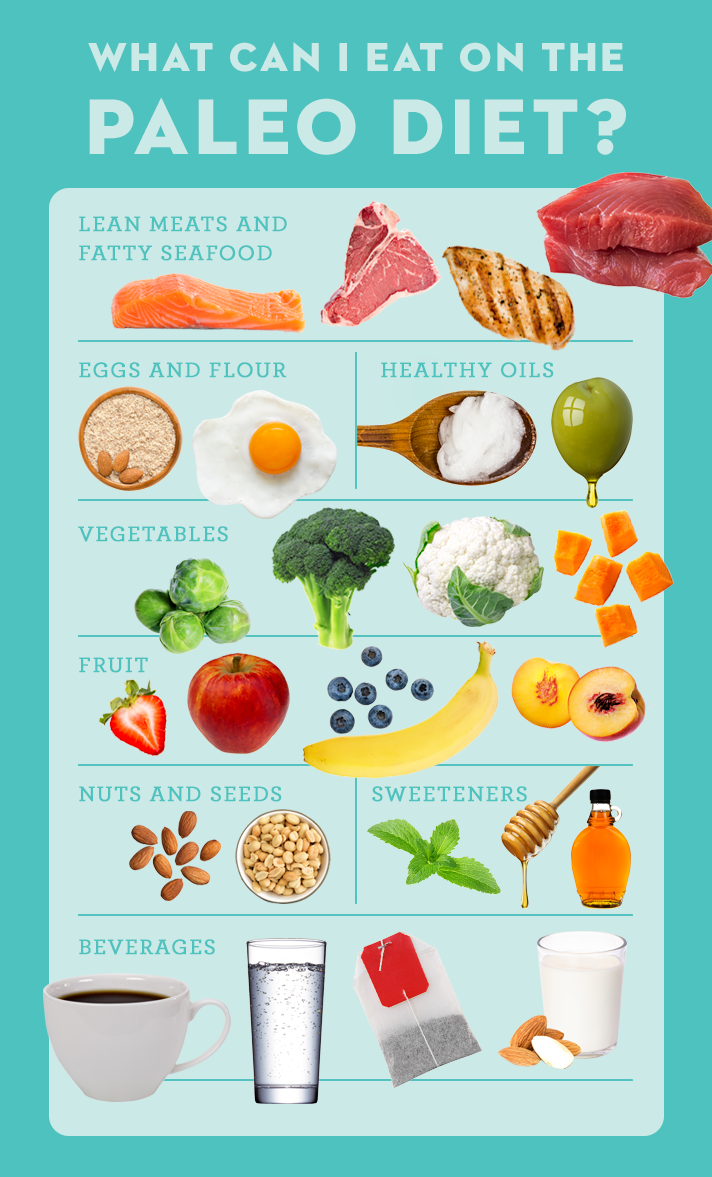
In contrast to the restricted list, the Paleo diet champions a variety of whole, unprocessed foods that would have been accessible to hunter-gatherers.
Lean Meats
Grass-fed beef, wild game, poultry, and other lean meats are central to the Paleo diet, providing ample protein, iron, and B vitamins. The emphasis on grass-fed is due to its potentially higher nutrient content and more favorable fatty acid profile compared to grain-fed alternatives.
Fish and Seafood
Wild-caught fish and seafood are highly encouraged, particularly those rich in omega-3 fatty acids like salmon, mackerel, and sardines. These are vital for brain health and reducing inflammation.
Fruits
A wide array of fruits are included, offering vitamins, minerals, antioxidants, and fiber. Berries, apples, bananas, and citrus fruits are common choices.
Vegetables
Non-starchy vegetables form a large part of the Paleo diet, providing essential vitamins, minerals, fiber, and phytonutrients. Examples include leafy greens, broccoli, cauliflower, bell peppers, and carrots.
Nuts and Seeds
These are good sources of healthy fats, protein, fiber, and micronutrients. Almonds, walnuts, chia seeds, and flaxseeds are frequently consumed. However, moderation is often advised due to their caloric density.
Healthy Fats
Avocados, olive oil, coconut oil, and ghee (for some, as a clarified butter option) are preferred sources of fat, offering monounsaturated and saturated fats believed to be beneficial.
Eggs
A versatile and nutrient-dense food, eggs are a staple in many Paleo diets, providing high-quality protein and a range of vitamins and minerals.
Nutritional Profile of the Paleo Diet
When carefully constructed, a Paleo diet can be highly nutritious, offering a dense array of vitamins, minerals, antioxidants, and beneficial fats.
Protein Intake
The emphasis on lean meats, fish, and eggs typically results in a higher protein intake compared to standard Western diets. This can be beneficial for satiety, muscle maintenance, and thermogenesis.
Fiber Content
Despite the exclusion of grains and legumes, a well-planned Paleo diet can be rich in fiber due to the abundant consumption of fruits, vegetables, nuts, and seeds. Dietary fiber is crucial for digestive health, blood sugar regulation, and satiety.
Micronutrient Density
By focusing on whole, unprocessed foods, the Paleo diet tends to be very micronutrient-dense. It provides ample amounts of vitamins (e.g., Vitamin A, C, E, B vitamins) and minerals (e.g., iron, zinc, magnesium, potassium).
Healthy Fats and Omega-3 to Omega-6 Ratio
The Paleo diet typically encourages a higher intake of monounsaturated and saturated fats from sources like avocados, nuts, and coconut oil, while reducing the intake of industrial seed oils high in omega-6 fatty acids. This shift is often lauded for promoting a more favorable omega-3 to omega-6 ratio, which may reduce systemic inflammation.
Antioxidants and Phytonutrients
The abundant consumption of fruits and vegetables ensures a high intake of antioxidants and various phytonutrients, compounds linked to reduced risk of chronic diseases.
Glycemic Load
By eliminating refined sugars and grains, the Paleo diet generally has a lower glycemic load, which can help in managing blood sugar levels and may be beneficial for individuals with insulin resistance or type 2 diabetes.
Potential Benefits of the Paleo Diet
Numerous individuals and some studies have reported various health improvements associated with adopting a Paleo dietary pattern.
Weight Loss
The emphasis on whole, unprocessed foods, higher protein intake, and lower glycemic load can contribute to increased satiety and reduced caloric intake, leading to weight loss.
Improved Blood Sugar Control
The elimination of refined sugars and grains, coupled with increased fiber intake, can lead to more stable blood sugar levels, which is particularly beneficial for individuals with prediabetes or type 2 diabetes.
Reduced Inflammation
The shift towards a more balanced omega-3 to omega-6 ratio, along with the high intake of antioxidant-rich foods, may contribute to reduced systemic inflammation, a factor implicated in many chronic diseases.
Better Digestive Health
For some individuals, particularly those with sensitivities to gluten or other antinutrients found in grains and legumes, the Paleo diet can lead to improved digestive health and reduced symptoms like bloating and gas.
Increased Satiety and Energy Levels
The higher protein and fat content, along with the focus on nutrient-dense foods, can lead to increased feelings of fullness and more sustained energy throughout the day.
Improved Lipid Profiles
Some studies suggest that a Paleo diet may positively impact lipid profiles, leading to lower levels of LDL cholesterol and triglycerides, and potentially higher HDL cholesterol.
Common Criticisms and Considerations
Despite its reported benefits, the Paleo diet is not without its critics and potential drawbacks.
Nutritional Deficiencies
Critics argue that the strict exclusion of entire food groups, such as grains and legumes, could lead to potential deficiencies in certain nutrients like calcium (from dairy), B vitamins (from whole grains), and specific fibers. However, proponents counter that these nutrients can be adequately obtained from the allowed foods.
Sustainability and Cost
Adhering to a strict Paleo diet, especially one that emphasizes grass-fed meats and wild-caught fish, can be more expensive and less sustainable for some individuals. The availability of such foods can also be a challenge.
Social and Practical Limitations
The restrictive nature of the diet can make social eating and dining out challenging, potentially leading to social isolation or difficulty in adhering to the diet long-term.
Lack of Long-Term Research
While short-term studies show promising results, more long-term, large-scale randomized controlled trials are needed to fully understand the long-term health implications and effectiveness of the Paleo diet across diverse populations.
Not One-Size-Fits-All
The concept of a single “Paleo diet” is often debated, as ancestral diets varied significantly across different geographical regions and time periods. What was consumed by a hunter-gatherer in the Arctic would differ greatly from one in the tropics. This highlights that a “one-size-fits-all” approach may not be ideal.
Potential for Nutrient Overload (e.g., Protein)
While beneficial, excessively high protein intake, especially without adequate carbohydrate intake from fruits and vegetables, could potentially strain the kidneys in susceptible individuals.
Conclusion
The Paleo diet presents a compelling framework for nutrition, rooted in the idea of aligning our modern diets with the eating patterns of our ancestors. By emphasizing whole, unprocessed foods like lean meats, fish, fruits, vegetables, nuts, and seeds, while eliminating grains, legumes, dairy, refined sugars, and processed foods, the Paleo diet aims to optimize human health.
From a nutritional standpoint, a well-executed Paleo diet can be incredibly nutrient-dense, rich in protein, fiber, healthy fats, vitamins, minerals, and antioxidants. This dietary pattern has shown promise in areas such as weight management, blood sugar control, and reduction of inflammation.
However, it is crucial to acknowledge the criticisms regarding potential nutrient deficiencies from strict food group exclusions, the practicalities of sustainability and cost, and the need for more robust long-term research. As with any dietary approach, individual needs, preferences, and health conditions should be considered, and consulting with a healthcare professional or registered dietitian is always recommended before making significant dietary changes. While the Paleo diet may not be universally applicable, its emphasis on whole, unprocessed foods serves as a valuable reminder of fundamental principles for healthy eating.
:max_bytes(150000):strip_icc()/EW-Meal-Plans-Healthy-Weight-Gain-Day-4-1x1-alt-81577102cff74485ac146541976d8b22.jpg?resize=200,135&ssl=1 "Fueling Up: High-Protein Meals For Healthy Weight Gain")


:max_bytes(150000):strip_icc()/Paleo-Food-Pin-v2-a8589877ee9b4dce9a297884b448aa0f.jpg?ssl=1&description=Optimizing%20Nutrition%3A%20A%20Deep%20Dive%20Into%20The%20Paleo%20Diet)