
The Magnesium Miracle: Fueling Your health with Magnesium-Rich Foods
In the intricate symphony of human health, certain elements play a pivotal, yet often underappreciated, role. Among these unsung heroes, magnesium stands out as a true maestro, orchestrating hundreds of biochemical reactions essential for life. From the rhythmic beating of our hearts to the complex dance of our neurons, magnesium is an indispensable participant, influencing everything from energy production and muscle function to nerve transmission and bone health. Despite its widespread importance, a significant portion of the global population falls short of optimal magnesium intake, leading to a silent epidemic of deficiency that can manifest in a myriad of subtle yet debilitating symptoms.
This comprehensive guide delves deep into the world of magnesium, exploring its multifaceted roles in the body, the consequences of its deficiency, and, most importantly, the rich tapestry of foods that can help us unlock its profound health benefits. We will navigate through a diverse array of culinary delights, from vibrant greens and hearty nuts to succulent seafood and wholesome grains, demonstrating that nourishing your body with this vital mineral can be both delicious and effortless.
The Multifaceted Roles of Magnesium: A Biological Backbone

Magnesium’s significance in the human body is truly staggering. It is a cofactor in over 300 enzymatic reactions, meaning it is required for these enzymes to function properly. Let’s explore some of its key roles in more detail:
Energy Production and Metabolism
Magnesium is intimately involved in the production of adenosine triphosphate (ATP), the primary energy currency of our cells. It aids in the conversion of food into usable energy, a process vital for every cellular function. Without adequate magnesium, our energy levels can plummet, leading to fatigue and sluggishness. It also plays a crucial role in glucose metabolism, influencing insulin sensitivity and helping to regulate blood sugar levels.
Muscle Function and Relaxation
For athletes and everyday individuals alike, magnesium is a cornerstone of healthy muscle function. It is essential for muscle contraction and relaxation, preventing muscle cramps, spasms, and tremors. It works in conjunction with calcium; while calcium promotes muscle contraction, magnesium facilitates muscle relaxation. A deficiency can lead to restless legs syndrome and nocturnal leg cramps.
Nerve Function and Neurotransmission
Magnesium acts as a natural calmant for the nervous system. It regulates neurotransmitters, chemicals that send messages throughout the brain and body. It can help reduce anxiety, stress, and even improve sleep quality by promoting relaxation. It also plays a role in nerve signal transmission and protects nerves from damage.
Bone Health and Structure

While calcium often takes the spotlight for bone health, magnesium is equally critical. It contributes to the structural development of bone and is necessary for the proper absorption and metabolism of calcium and vitamin D, two other key nutrients for bone density. A deficiency in magnesium can compromise bone strength and increase the risk of osteoporosis.
Cardiovascular Health
Magnesium is a heart-healthy mineral. It helps regulate blood pressure by relaxing blood vessels, and it contributes to a steady heartbeat, preventing arrhythmias. It also helps prevent the calcification of arteries, a factor in atherosclerosis and heart disease. Its role in reducing inflammation further supports cardiovascular well-being.
Protein Synthesis and Genetic Material
Magnesium is essential for the synthesis of proteins from amino acids and for the production and repair of DNA and RNA, our genetic material. This makes it fundamental for cell growth, repair, and overall cellular integrity.
The Silent Struggle: Recognizing Magnesium Deficiency
Given magnesium’s pervasive influence, it’s no surprise that a deficiency can manifest in a wide array of symptoms, often mimicking other conditions, making diagnosis challenging. Common signs of magnesium deficiency include:
Muscle Cramps and Spasms
Perhaps one of the most well-known symptoms, due to magnesium’s role in muscle relaxation.
Fatigue and Weakness
Related to its crucial role in energy production.
Nausea and Vomiting
Digestive disturbances can sometimes be linked to low magnesium.
Loss of Appetite
Another non-specific symptom that can be indicative of deficiency.
Numbness and Tingling
Due to impaired nerve function.
Headaches and Migraines
Magnesium plays a role in regulating neurotransmitters and blood vessel constriction in the brain.
Anxiety and Depression
Its calming effect on the nervous system means a deficiency can exacerbate these conditions.
Insomnia
Difficulty sleeping or restless sleep can be a sign of low magnesium.
Irregular Heartbeat
Due to its role in maintaining heart rhythm.
Osteoporosis
Long-term deficiency can contribute to weakened bones.
It’s important to note that these symptoms can also be caused by other factors, and a proper diagnosis from a healthcare professional is crucial. Risk factors for deficiency include certain medications (like diuretics and proton pump inhibitors), chronic diseases (like Crohn’s disease and celiac disease), excessive alcohol consumption, and diets high in processed foods.
The Culinary Quest: Unearthing Magnesium-Rich Foods
Fortunately, nature has provided us with a bounty of delicious and accessible foods rich in magnesium. Incorporating these into your daily diet is the most effective and enjoyable way to ensure optimal intake. Let’s embark on a culinary journey to discover these magnesium powerhouses:
Leafy Green Vegetables
When it comes to magnesium, think green! Leafy greens are veritable nutritional goldmines, packed with this vital mineral.
Spinach
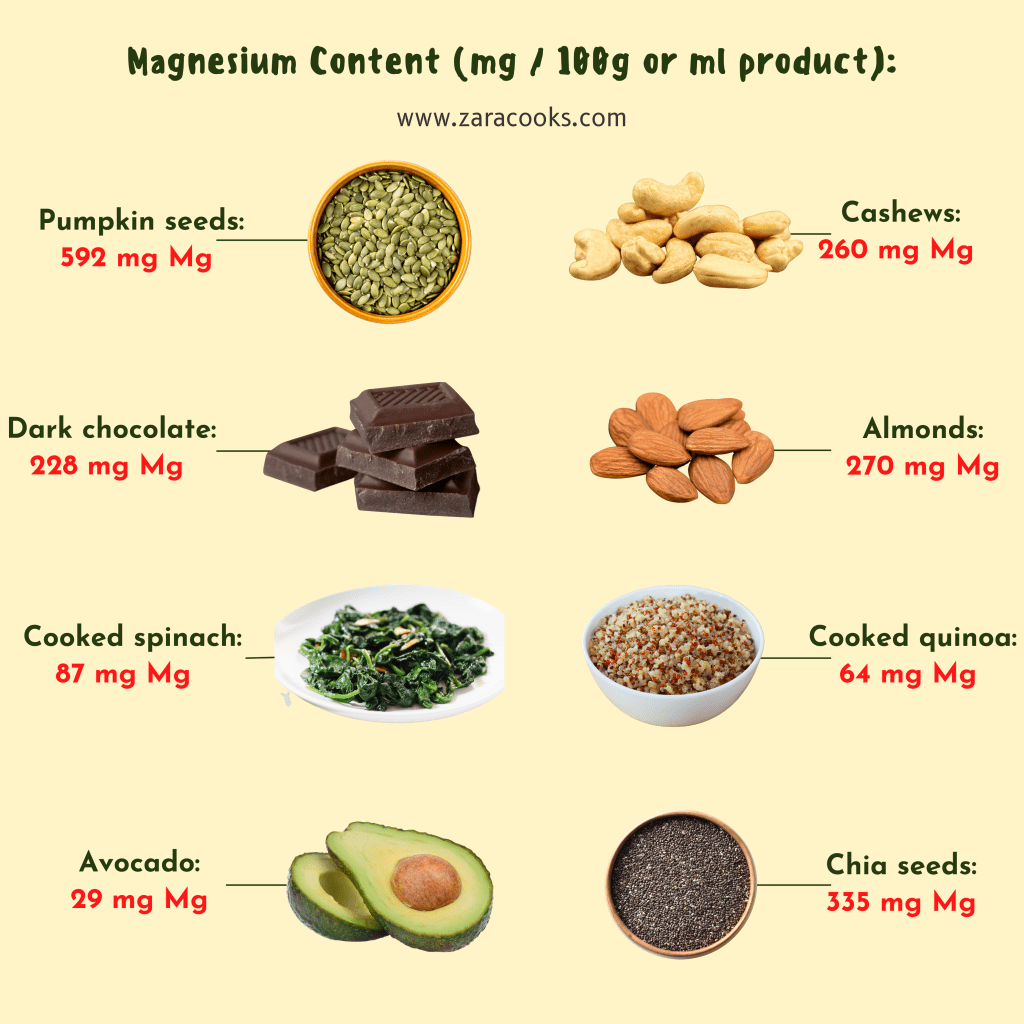
A superstar among leafy greens, spinach is an excellent source of magnesium. It’s incredibly versatile and can be enjoyed in salads, smoothies, stir-fries, or as a side dish.
Kale
Another nutritional powerhouse, kale offers a substantial dose of magnesium along with a wealth of vitamins and antioxidants.
Swiss Chard
With its vibrant stems and earthy flavor, Swiss chard is a delicious addition to any meal and a good source of magnesium.
Collard Greens
A staple in many cuisines, collard greens are not only rich in magnesium but also fiber and other essential nutrients.
Nuts and Seeds
Tiny but mighty, nuts and seeds are concentrated sources of magnesium, making them perfect for snacking or adding to various dishes.
Almonds
These popular nuts are a fantastic source of magnesium, along with healthy fats, fiber, and vitamin E.
Cashews
Sweet and creamy, cashews offer a good amount of magnesium and are a versatile ingredient in both sweet and savory dishes.
Brazil Nuts
While renowned for their selenium content, Brazil nuts also provide a decent amount of magnesium.
Pumpkin Seeds
These little green powerhouses are exceptionally rich in magnesium, as well as zinc and antioxidants. Sprinkle them on salads, soups, or enjoy them roasted.
Chia Seeds
A popular superfood, chia seeds are not only high in fiber and omega-3 fatty acids but also a good source of magnesium.
Flaxseeds
Known for their omega-3s, flaxseeds also contribute to your magnesium intake.
Legumes
Beans, lentils, and peas are not only excellent sources of plant-based protein and fiber but also provide a significant amount of magnesium.
Black Beans
A staple in many cuisines, black beans are a magnesium-rich and versatile ingredient.
Lentils
These quick-cooking legumes are packed with magnesium, iron, and fiber.
Chickpeas
Whether in hummus, salads, or roasted, chickpeas offer a good dose of magnesium.
Edamame
These young soybeans are a delicious and nutritious snack, providing ample magnesium.
Whole Grains
Opting for whole grains over refined grains significantly boosts your magnesium intake, as the magnesium is primarily found in the germ and bran.
Whole Wheat
Choose whole wheat bread, pasta, and cereals for a magnesium boost.
Brown Rice
A healthier alternative to white rice, brown rice retains its magnesium-rich bran.
Oats
A warm bowl of oatmeal is a comforting and magnesium-rich way to start your day.
Quinoa
This ancient grain is a complete protein and an excellent source of magnesium.
Buckwheat
Despite its name, buckwheat is a pseudocereal, not a wheat, and is naturally gluten-free and high in magnesium.
Seafood
Certain types of fish are excellent sources of magnesium, along with beneficial omega-3 fatty acids.
Salmon
A fatty fish renowned for its omega-3s, salmon also provides a good amount of magnesium.
Mackerel
Another oily fish, mackerel is a great source of magnesium and other essential nutrients.
Halibut
A lean white fish, halibut offers a decent contribution to your magnesium intake.
Tuna
Both fresh and canned tuna can provide magnesium, though mercury content should be considered for regular consumption.
Dark Chocolate
Indulge your sweet tooth with a healthy twist! Dark chocolate (with at least 70% cocoa solids) is surprisingly rich in magnesium, as well as antioxidants. The darker, the better!
Fruits
While not as concentrated as some other sources, certain fruits contribute to your daily magnesium intake.
Avocados
These creamy fruits are a good source of healthy fats, fiber, and magnesium.
Bananas
Known for their potassium, bananas also offer a decent amount of magnesium.
Figs
Both fresh and dried figs provide a good amount of magnesium.
Berries
While not exceptionally high, berries do contribute to your overall magnesium intake and are packed with antioxidants.
Other Notable Sources
A few other food items deserve a mention for their magnesium content.
Tofu
A versatile plant-based protein, tofu is a good source of magnesium for vegetarians and vegans.
Potatoes (with skin)
The skin of potatoes contains a good amount of magnesium, so enjoy them baked or roasted with the skin on.
Fortified Foods
Some breakfast cereals and plant-based milks are fortified with magnesium and other essential nutrients. Check the nutrition labels.
Optimizing Magnesium Absorption and Considerations
While consuming magnesium-rich foods is crucial, several factors can influence its absorption and utilization in the body.
Cooking Methods
Overcooking or boiling vegetables can leach out some of their magnesium content. Steaming, roasting, or eating them raw can help preserve their nutrient density.
Phytates and Oxalates
Some plant compounds, like phytates (found in grains and legumes) and oxalates (found in spinach and rhubarb), can bind to magnesium and reduce its absorption. However, soaking, sprouting, and cooking can significantly reduce these compounds. The overall nutritional benefits of these foods still outweigh this potential inhibition.
Vitamin D and Calcium
Magnesium, vitamin D, and calcium work synergistically. Adequate vitamin D levels are essential for magnesium absorption, and magnesium is crucial for the proper utilization of calcium. Maintaining a balanced intake of all three is key.
Gut Health
A healthy gut microbiome plays a vital role in nutrient absorption, including magnesium. Prioritizing gut health through a diverse diet rich in fiber and probiotics can enhance magnesium uptake.
Lifestyle Factors
Excessive alcohol consumption, chronic stress, and certain medications can deplete magnesium levels. Managing these factors is important for maintaining optimal magnesium status.
The Takeaway: Embrace the Magnesium Lifestyle
In conclusion, magnesium is a foundational mineral for optimal health, impacting nearly every system in the body. While its deficiency can lead to a cascade of unwelcome symptoms, the good news is that preventing and addressing it can be as simple and delicious as incorporating a wider variety of magnesium-rich foods into your daily diet.
By consciously choosing leafy greens, nuts and seeds, legumes, whole grains, certain seafood, and even a little dark chocolate, you can significantly boost your magnesium intake and unlock a wealth of health benefits. Remember that consistency is key, and a balanced, diverse diet is the most effective approach to ensuring your body receives all the essential nutrients it needs to thrive.
So, embark on your own magnesium miracle journey. Experiment with new recipes, savor the flavors of nature’s bounty, and feel the transformative power of this remarkable mineral as it fuels your energy, calms your mind, strengthens your bones, and keeps your heart beating strong. Your body will thank you for it.
:max_bytes(150000):strip_icc()/EW-Meal-Plans-Healthy-Weight-Gain-Day-4-1x1-alt-81577102cff74485ac146541976d8b22.jpg?resize=200,135&ssl=1 "Fueling Up: High-Protein Meals For Healthy Weight Gain")


