
# Nutrition Strategies for Weight Management
Weight management is a complex interplay of diet, exercise, genetics, and lifestyle. While numerous fad diets promise quick fixes, sustainable weight management hinges on adopting evidence-based nutrition strategies that promote overall health and well-being. This comprehensive article delves into key nutritional approaches, emphasizing sustainable habits over restrictive measures, and empowering individuals to achieve and maintain a healthy weight.
Understanding Energy Balance: The Foundation of Weight Management
At its core, weight management revolves around the principle of energy balance. This concept dictates that weight changes are a direct result of the relationship between energy intake (calories consumed from food and beverages) and energy expenditure (calories burned through metabolism, physical activity, and thermogenesis).
Calorie Deficit for Weight Loss
To lose weight, a consistent calorie deficit is necessary. This means consuming fewer calories than the body expends. A commonly recommended deficit is 500-750 calories per day, which can lead to a healthy weight loss of 1-1.5 pounds per week. However, it’s crucial to avoid overly restrictive deficits, as they can lead to nutrient deficiencies, muscle loss, and a slowed metabolism.
Calorie Surplus for Weight Gain
Conversely, to gain weight (e.g., muscle mass), a calorie surplus is required, meaning consuming more calories than expended. This surplus should be moderate and accompanied by resistance training to promote muscle hypertrophy rather than excessive fat accumulation.

Calorie Balance for Weight Maintenance
Maintaining weight involves achieving a state of energy balance, where calorie intake roughly equals calorie expenditure. This is often the most challenging phase for many individuals, requiring continued adherence to healthy eating habits and regular physical activity.
Macronutrient Matters: The Building Blocks of Your Diet
Macronutrients – carbohydrates, proteins, and fats – provide the body with energy and are essential for various physiological functions. The optimal ratio of these macronutrients for weight management can vary depending on individual needs and preferences, but certain principles apply.

The Role of Protein in Satiety and Metabolism
Protein is arguably the most critical macronutrient for weight management. It promotes satiety, helping individuals feel fuller for longer and reducing overall calorie intake. Protein also has a higher thermic effect of food (TEF) compared to carbohydrates and fats, meaning the body expends more energy to digest and metabolize protein. Furthermore, adequate protein intake is crucial for preserving lean muscle mass during weight loss, which helps maintain a healthy metabolism.
Excellent protein sources include lean meats, poultry, fish, eggs, dairy products, legumes, and tofu. Aim for 20-30 grams of protein per meal.
Carbohydrates: Quality Over Quantity
Carbohydrates are the body’s primary source of energy. However, the type of carbohydrates consumed significantly impacts weight management.
# Complex Carbohydrates for Sustained Energy
Prioritize complex carbohydrates found in whole grains, fruits, vegetables, and legumes. These are rich in fiber, which slows digestion, promotes satiety, and helps regulate blood sugar levels. Examples include oats, brown rice, quinoa, whole-wheat bread, and a wide variety of fruits and vegetables.
# Limiting Refined Carbohydrates and Added Sugars
Refined carbohydrates (white bread, pasta, pastries) and added sugars (soda, candy, sweetened beverages) are quickly digested, leading to rapid spikes in blood sugar and subsequent crashes, often triggering cravings and overeating. These contribute significantly to calorie intake without providing substantial nutritional value.
Healthy Fats: Essential for Health and Satiety
Despite past misconceptions, fats are not the enemy of weight management. Healthy fats are essential for hormone production, nutrient absorption, and provide a concentrated source of energy and satiety.
# Incorporating Unsaturated Fats
Focus on unsaturated fats, including monounsaturated fats (found in olive oil, avocados, nuts) and polyunsaturated fats (found in fatty fish like salmon, flaxseeds, walnuts). These fats can improve cardiovascular health and contribute to feelings of fullness.
# Limiting Saturated and Trans Fats
Limit saturated fats (found in red meat, butter, full-fat dairy) and avoid trans fats (often found in processed foods). While saturated fats can be consumed in moderation, excessive intake is linked to increased risk of heart disease.
Micronutrient Importance: Beyond Calories
While macronutrients provide energy, micronutrients (vitamins and minerals) are vital for countless bodily functions, including metabolism. Deficiencies in certain micronutrients can impair metabolic processes and overall health, potentially hindering weight management efforts.
The Role of Vitamins and Minerals
Ensure a varied diet rich in fruits, vegetables, and whole foods to obtain a spectrum of essential vitamins and minerals. For example, B vitamins are crucial for energy metabolism, while iron is essential for oxygen transport and energy production.
Hydration: An Often Overlooked Factor
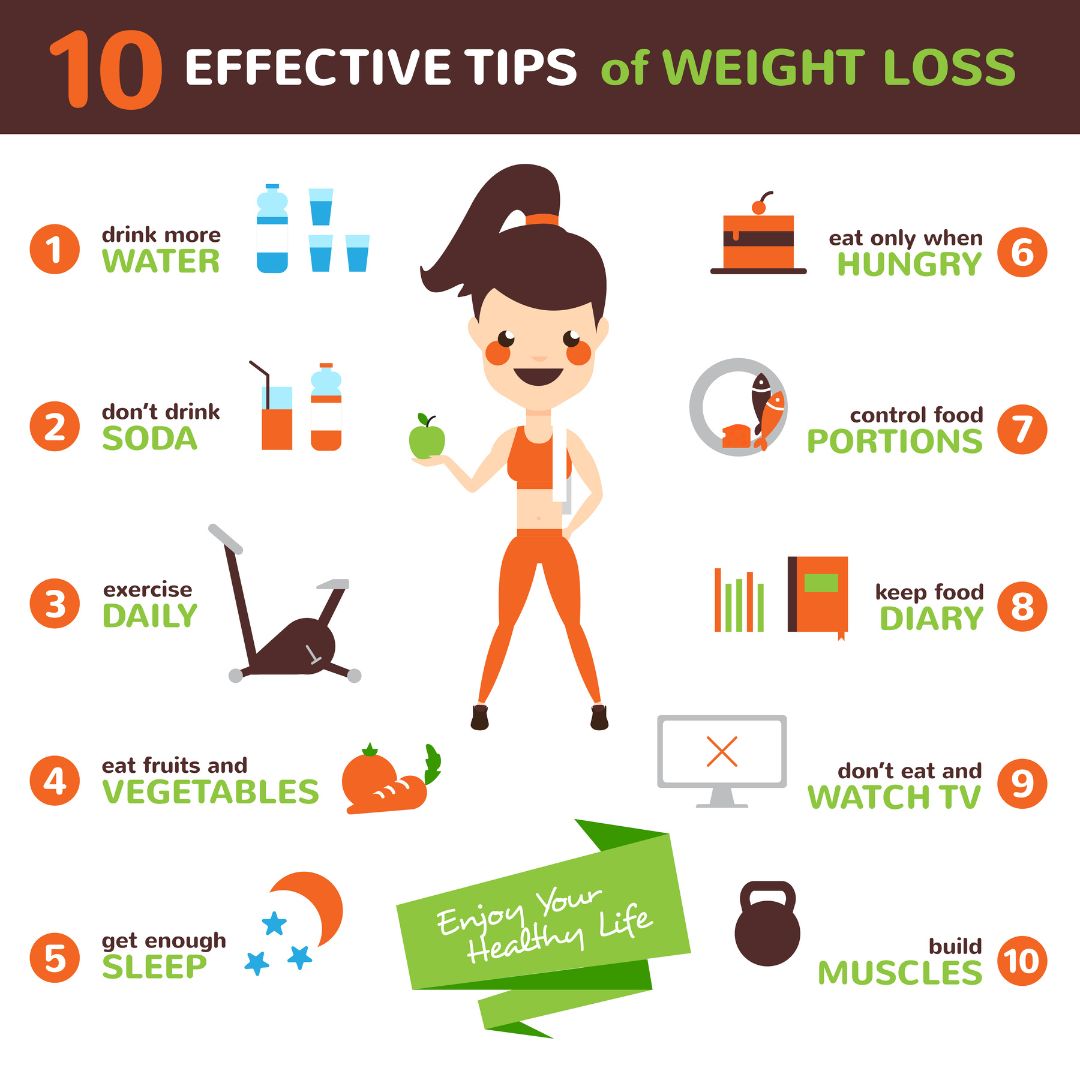
Water is often overlooked in weight management but plays a crucial role. It’s involved in every metabolic process, helps transport nutrients, and can promote satiety. Dehydration can sometimes be mistaken for hunger, leading to unnecessary calorie intake. Aim for at least 8 glasses of water daily, and more if physically active.
Strategic Eating Habits for Sustainable Weight Management
Beyond specific food choices, adopting mindful and strategic eating habits is paramount for long-term success.
Mindful Eating: Connecting with Your Body’s Signals
Mindful eating involves paying attention to hunger and fullness cues, savoring food, and eating without distractions. This practice helps individuals differentiate between physical hunger and emotional eating, preventing overconsumption.
Portion Control: The Art of Moderation
Even healthy foods can contribute to weight gain if consumed in excessive portions. Learning appropriate portion sizes and using tools like smaller plates or measuring cups can help regulate intake.
Regular Meal Timing: Stabilizing Blood Sugar
Establishing a regular eating schedule, including balanced meals and healthy snacks, can help stabilize blood sugar levels, prevent extreme hunger, and reduce the likelihood of overeating. Skipping meals can often lead to overcompensation later in the day.
The Importance of Breakfast
A balanced breakfast can kickstart metabolism, provide energy for the day, and potentially reduce overall daily calorie intake by preventing excessive hunger later on.
Snacking Wisely: Fueling Between Meals
If hunger arises between meals, opt for nutrient-dense snacks like fruits, vegetables, nuts, or yogurt. Avoid highly processed, sugary, and fatty snacks that offer little nutritional value.
Behavioral and Lifestyle Considerations
Nutrition strategies are most effective when integrated into a holistic approach that addresses behavioral and lifestyle factors.
Sleep: A Critical Component
Insufficient sleep can disrupt hormones that regulate appetite (ghrelin and leptin), leading to increased hunger and cravings. Aim for 7-9 hours of quality sleep per night.
Stress Management: Avoiding Emotional Eating
Chronic stress can trigger emotional eating as a coping mechanism. Developing healthy stress management techniques like exercise, meditation, or hobbies is crucial for preventing stress-induced overeating.
Physical Activity: Complementing Nutrition
While nutrition is the primary driver of weight loss, physical activity is essential for weight maintenance, improving body composition, and overall health. A combination of cardiovascular exercise and strength training is recommended.
Building a Supportive Environment
Surrounding oneself with supportive individuals and creating an environment conducive to healthy choices can significantly impact success. This includes stocking the pantry with nutritious foods and limiting access to tempting unhealthy options.
Dispelling Common Weight Management Myths
The “Magic Bullet” Myth
There is no single “magic food” or supplement for weight loss. Sustainable weight management is a result of consistent healthy habits.
Restrictive Dieting: A Recipe for Failure
Extremely restrictive diets are rarely sustainable and often lead to nutrient deficiencies, rebound weight gain, and a negative relationship with food. Focus on balanced eating and moderation.
Carbohydrates Are Bad: A Misconception
Not all carbohydrates are created equal. Whole, unprocessed carbohydrates are vital for energy and overall health. The problem lies with refined and added sugars.
Conclusion
Sustainable weight management is a journey that requires patience, consistency, and a commitment to lifelong healthy habits. By focusing on energy balance, prioritizing nutrient-dense foods, adopting mindful eating practices, and addressing lifestyle factors, individuals can achieve and maintain a healthy weight, enhancing their overall health and well-being. This comprehensive approach, rooted in scientific evidence, empowers individuals to take control of their nutritional choices and build a foundation for lasting success. Remember, consulting with a registered dietitian or healthcare professional can provide personalized guidance and support for your weight management goals.
:max_bytes(150000):strip_icc()/EW-Meal-Plans-Healthy-Weight-Gain-Day-4-1x1-alt-81577102cff74485ac146541976d8b22.jpg?resize=200,135&ssl=1 "Fueling Up: High-Protein Meals For Healthy Weight Gain")


