
Digestive enzymes are crucial for breaking down food into absorbable nutrients. Without adequate digestive enzyme function, the body struggles to extract the full nutritional value from the diet, leading to various health issues. This comprehensive article, approximately 3000 words, explores the multifaceted role of digestive enzymes in human nutrition, delving into their types, functions, sources, factors affecting their activity, and their clinical significance.
The Foundation of Nutrient Absorption: An Introduction to Digestive Enzymes
Digestion is a complex biochemical process that transforms the food we eat into molecules small enough to be absorbed into the bloodstream and utilized by the body’s cells. At the heart of this transformative process lie digestive enzymes. These highly specific protein molecules act as biological catalysts, accelerating the chemical reactions that break down complex macromolecules found in food—carbohydrates, proteins, and fats—into their simpler constituent units: monosaccharides, amino acids, and fatty acids/glycerol, respectively. Without the efficient action of digestive enzymes, the food we consume, no matter how nutrient-dense, would largely pass through our system undigested, rendering its nutritional content inaccessible. This undigested food can then lead to a cascade of uncomfortable symptoms and, over time, nutrient deficiencies.
The Major Players: Types and Functions of Digestive Enzymes

Digestive enzymes are broadly categorized based on the type of macronutrient they target. The primary classes include amylases, proteases, and lipases. Each class comprises various specific enzymes, each with its unique role and optimal working environment.
Amylases: The Carbohydrate Catalysts
Amylases are responsible for the breakdown of carbohydrates, from complex starches to simpler sugars.
# Salivary Amylase (Ptyalin)
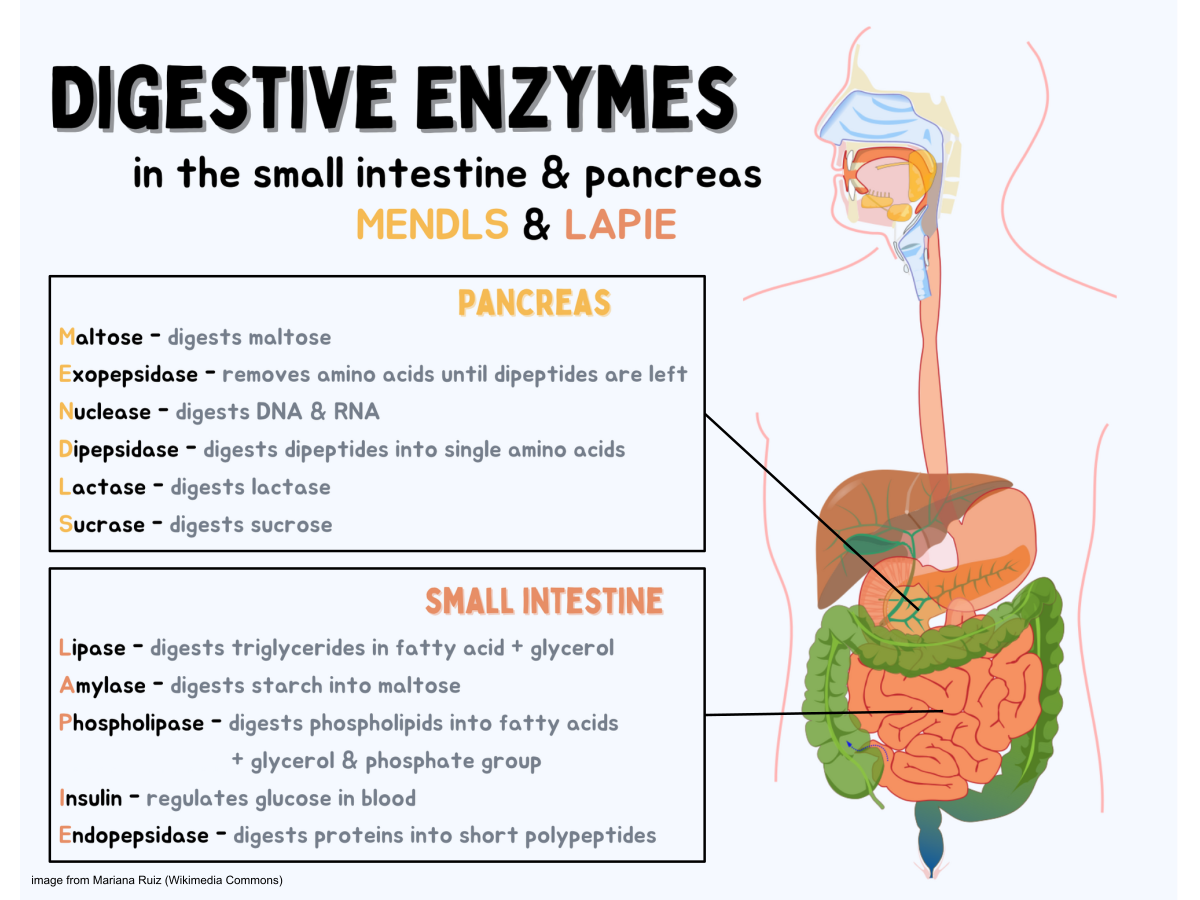
Digestion of carbohydrates begins in the mouth with the action of salivary amylase. This enzyme starts breaking down long-chain starches (polysaccharides) into smaller polysaccharides (dextrins) and disaccharides (maltose). While its activity is brief due to the acidic environment of the stomach, it plays a vital initial role.
# Pancreatic Amylase
As the partially digested food (chyme) moves into the small intestine, pancreatic amylase, secreted by the pancreas, takes over. It continues the breakdown of starches into maltose, maltotriose, and $alpha$-dextrins.
# Brush Border Enzymes (Disaccharidases)

The final stage of carbohydrate digestion occurs at the brush border of the small intestinal lining. Here, a group of enzymes known as disaccharidases act on specific disaccharides:
Maltase
Maltase breaks down maltose into two molecules of glucose.
Sucrase
Sucrase hydrolyses sucrose (table sugar) into glucose and fructose.
Lactase
Lactase is crucial for the digestion of lactose (milk sugar), breaking it down into glucose and galactose. A deficiency in lactase leads to lactose intolerance, a common digestive discomfort.
Proteases: The Protein Processors
Proteases, also known as peptidases, are responsible for breaking down proteins into smaller peptides and ultimately into individual amino acids.
# Pepsin
Protein digestion begins in the stomach with pepsin. Secreted by the chief cells of the stomach lining as inactive pepsinogen, it is activated by hydrochloric acid (HCl). Pepsin is an endopeptidase, meaning it cleaves peptide bonds within protein molecules, yielding smaller polypeptides. It functions optimally in the highly acidic environment of the stomach (pH 1.5-3.5).
# Pancreatic Proteases
Upon entry into the small intestine, the partially digested proteins encounter a powerful array of pancreatic proteases. These are secreted by the pancreas as inactive zymogens to prevent self-digestion of the pancreas.
Trypsin
Trypsinogen, the inactive form, is activated to trypsin by enteropeptidase (also called enterokinase), an enzyme present on the brush border of the small intestine. Trypsin is a critical enzyme as it not only cleaves peptide bonds but also activates other pancreatic zymogens, including chymotrypsinogen and procarboxypeptidases.
Chymotrypsin
Activated from chymotrypsinogen by trypsin, chymotrypsin further breaks down polypeptides into smaller peptides.
Carboxypeptidases
There are two main types, carboxypeptidase A and B. Activated from procarboxypeptidase by trypsin, these enzymes are exopeptidases, meaning they cleave amino acids from the carboxyl (C-terminal) end of polypeptides.
# Brush Border Enzymes (Peptidases)
The final breakdown of peptides into individual amino acids occurs at the brush border of the small intestine.
Aminopeptidases
These exopeptidases cleave amino acids from the amino (N-terminal) end of peptides.
Dipeptidases and Tripeptidases
These enzymes break down dipeptides (two amino acids) and tripeptides (three amino acids) into individual amino acids, which are then absorbed.
Lipases: The Fat Facets
Lipases are enzymes that catalyze the hydrolysis of fats (lipids), primarily triglycerides, into fatty acids and glycerol.
# Lingual Lipase
A small amount of fat digestion begins in the mouth with lingual lipase, secreted by glands on the tongue. Its activity is relatively minor in adults but can be more significant in infants due to their milk-heavy diet.
# Gastric Lipase
The stomach also produces gastric lipase, which continues to break down triglycerides into diglycerides and fatty acids. However, its activity is limited compared to pancreatic lipase.
# Pancreatic Lipase
The vast majority of fat digestion occurs in the small intestine, primarily through the action of pancreatic lipase. This enzyme works most efficiently in the presence of bile salts, which are produced by the liver and stored in the gallbladder. Bile salts emulsify large fat globules into smaller droplets, increasing the surface area for pancreatic lipase to act upon. Pancreatic lipase hydrolyzes triglycerides into monoglycerides and free fatty acids, which can then be absorbed.
# Co-lipase
Pancreatic lipase requires the presence of co-lipase, a protein also secreted by the pancreas, to function optimally. Co-lipase helps anchor pancreatic lipase to the surface of the fat droplet, overcoming the inhibitory effects of bile salts.
The Journey of Digestion: Where Enzymes Come Into Play
Digestive enzymes are secreted at various stages of the digestive tract, each location providing the optimal environment for their specific action.
Oral Cavity
The first stage of digestion begins in the mouth, where mechanical digestion (chewing) breaks down food into smaller pieces, and chemical digestion begins with salivary amylase.
Stomach
In the stomach, the highly acidic environment created by hydrochloric acid activates pepsin and provides an optimal pH for its protein-digesting activity. Gastric lipase also contributes to fat breakdown here.
Small Intestine
The small intestine is the primary site of nutrient absorption and the most significant location for enzymatic digestion. The pancreas secretes a potent cocktail of digestive enzymes (pancreatic amylase, proteases, lipases) into the duodenum, the first part of the small intestine. Additionally, the brush border of the small intestinal lining houses numerous enzymes that complete the digestion of carbohydrates and proteins.
Beyond the Body: Exogenous Sources of Digestive Enzymes
While our bodies naturally produce digestive enzymes, there are also external sources that can supplement or support our digestive processes.
Food-Derived Enzymes
Many raw foods, particularly fruits and vegetables, contain naturally occurring enzymes. For example, pineapple contains bromelain (a protease), and papaya contains papain (another protease). Avocados contain lipase, and sprouted grains contain amylase and other enzymes. However, cooking and processing often destroy these delicate enzymes.
Supplemental Enzymes
Digestive enzyme supplements are widely available and typically contain a blend of amylases, proteases, and lipases, often derived from animal (e.g., pancreatin from porcine or bovine sources) or plant/fungal sources (e.g., bromelain, papain, fungal amylase, fungal lipase). These supplements are commonly used by individuals with digestive disorders, enzyme deficiencies, or those seeking to improve overall digestion and nutrient absorption.
Factors Influencing Digestive Enzyme Activity
Several factors can significantly impact the efficiency and activity of digestive enzymes. Understanding these factors is crucial for maintaining optimal digestive health.
pH Levels
Each digestive enzyme has an optimal pH range at which it functions most effectively. For example, pepsin thrives in the highly acidic environment of the stomach, while pancreatic enzymes prefer a more alkaline environment in the small intestine. Imbalances in pH, often caused by diet or health conditions, can impair enzyme activity.
Temperature
Like all proteins, digestive enzymes are sensitive to temperature. While moderate temperatures (body temperature) are ideal, excessive heat (e.g., high fever) can denature enzymes, permanently altering their structure and rendering them inactive. Similarly, very low temperatures can slow down enzyme activity.
Cofactors and Coenzymes
Many enzymes require the presence of specific cofactors (inorganic ions like zinc or magnesium) or coenzymes (organic molecules, often vitamins) to function properly. Deficiencies in these essential nutrients can therefore impair enzyme activity.
Enzyme Inhibitors
Certain compounds, both natural and synthetic, can inhibit enzyme activity. For example, some anti-nutrients found in raw legumes and grains can inhibit proteases. Certain medications can also interfere with enzyme function.
Digestive Health and Integrity
The overall health of the digestive tract plays a critical role in enzyme function. Conditions like inflammation, infections, or damage to the intestinal lining can impair enzyme production and secretion, as well as nutrient absorption.
Clinical Significance of Digestive Enzymes in Nutrition
Dysfunction or deficiency of digestive enzymes can have profound implications for nutritional status and overall health.
Malabsorption and Nutrient Deficiencies
Inadequate enzyme activity leads to maldigestion, where food is not properly broken down. This, in turn, results in malabsorption, meaning the body cannot absorb essential nutrients. Chronic malabsorption can lead to a wide range of nutrient deficiencies, including vitamins (fat-soluble vitamins, B vitamins), minerals (iron, calcium), and macronutrients (protein-energy malnutrition).
Digestive Disorders
Enzyme deficiencies are implicated in various digestive disorders.
# Exocrine Pancreatic Insufficiency (EPI)
EPI is a condition where the pancreas does not produce enough digestive enzymes. It is common in conditions like cystic fibrosis, chronic pancreatitis, and pancreatic cancer. Individuals with EPI experience severe maldigestion of fats, proteins, and carbohydrates, leading to steatorrhea (fatty stools), weight loss, and nutrient deficiencies. Pancreatic enzyme replacement therapy (PERT) is the cornerstone of treatment.
# Lactose Intolerance
Lactose intolerance, caused by a deficiency in lactase, results in symptoms like bloating, gas, abdominal cramps, and diarrhea after consuming dairy products.
# Gluten Sensitivity/Celiac Disease
While not directly an enzyme deficiency, the damage to the intestinal lining in celiac disease due to gluten exposure can impair the production and activity of brush border enzymes, leading to secondary maldigestion and malabsorption.
# Irritable Bowel Syndrome (IBS)
While not a primary cause, enzyme deficiencies or imbalances can contribute to the symptoms of IBS, such as bloating, gas, and altered bowel habits.
Gut Microbiome Imbalance
Undigested food reaching the large intestine can become a substrate for fermentation by gut bacteria, leading to excessive gas production, bloating, and an imbalance in the gut microbiome (dysbiosis). This can further exacerbate digestive discomfort and potentially impact overall health.
Strategies for Supporting Digestive Enzyme Function
Optimizing digestive enzyme function is key to maximizing nutrient absorption and promoting gut health.
Whole Food, Nutrient-Dense Diet
A diet rich in whole, unprocessed foods provides essential nutrients (vitamins and minerals) that act as cofactors for enzyme activity. Eating a variety of raw fruits and vegetables can also provide some exogenous enzymes.
Mindful Eating Practices
Eating slowly, chewing food thoroughly, and eating in a relaxed environment can significantly aid digestion. Proper chewing mechanically breaks down food, increasing surface area for enzymes, and signals the body to prepare for digestion by releasing digestive juices.
Managing Stress
Chronic stress can negatively impact digestive enzyme production and overall digestive function. Incorporating stress-reducing practices like meditation, yoga, or deep breathing can be beneficial.
Supporting Stomach Acid Production
Adequate stomach acid (HCl) is crucial for activating pepsin and initiating protein digestion. Factors like aging, stress, and certain medications can reduce stomach acid. Strategies to support stomach acid include apple cider vinegar before meals (for some individuals) or consulting a healthcare professional for targeted interventions.
Addressing Underlying Health Conditions
Treating underlying digestive disorders such as celiac disease, Crohn’s disease, or pancreatitis is essential for restoring optimal enzyme function.
Considering Digestive Enzyme Supplements
For individuals with diagnosed enzyme deficiencies (e.g., EPI) or persistent digestive symptoms, digestive enzyme supplements can be a valuable tool. It is crucial to consult a healthcare professional to determine the appropriate type and dosage of supplements. Different supplements target specific enzymes and may be beneficial for different issues (e.g., lactase for lactose intolerance, broad-spectrum enzymes for general maldigestion).
The Future of Digestive Enzyme Research
Research into digestive enzymes continues to evolve, with increasing interest in their role beyond basic digestion. Emerging areas include:
Enzyme Therapy for Specific Diseases
Exploring the potential of targeted enzyme therapies for conditions beyond classical pancreatic insufficiency, such as certain autoimmune diseases or metabolic disorders.
Personalized Enzyme Supplementation
Developing more personalized approaches to enzyme supplementation based on individual genetic predispositions, microbiome composition, and dietary needs.
Understanding Enzyme-Microbiome Interactions
Investigating the intricate interplay between digestive enzymes and the gut microbiome, and how enzyme activity can influence the composition and function of the microbial community.
Novel Enzyme Discovery
Identifying and characterizing new enzymes with potential therapeutic applications or improved efficiency in specific digestive pathways.
Conclusion
Digestive enzymes are indispensable to human nutrition, acting as the biochemical engines that dismantle complex food molecules into absorbable nutrients. From the initial breakdown of starches in the mouth to the final liberation of amino acids and fatty acids in the small intestine, these remarkable proteins ensure that our bodies can extract the vital sustenance they need. Maintaining optimal digestive enzyme function through a healthy diet, mindful eating, stress management, and, when necessary, appropriate supplementation, is paramount for preventing nutrient deficiencies, alleviating digestive discomfort, and fostering overall well-being. As our understanding of the intricate dance between diet, enzymes, and the gut microbiome continues to deepen, the critical role of digestive enzymes in human health becomes ever more apparent, solidifying their status as foundational pillars of effective nutrition.
:max_bytes(150000):strip_icc()/EW-Meal-Plans-Healthy-Weight-Gain-Day-4-1x1-alt-81577102cff74485ac146541976d8b22.jpg?resize=200,135&ssl=1 "Fueling Up: High-Protein Meals For Healthy Weight Gain")


