
Nutrition for Immune System Support
The human immune system is a complex and highly sophisticated network of cells, tissues, and organs that work together to protect the body from harmful invaders such as bacteria, viruses, fungi, and toxins. A robust immune system is crucial for maintaining overall health and well-being, and one of the most powerful ways to support its function is through optimal nutrition. This article will explore the intricate relationship between diet and immunity, delving into specific nutrients, dietary patterns, and lifestyle factors that can bolster the body’s natural defenses.
The Foundations of Immune Health
Before we delve into specific nutrients, it’s essential to understand that a well-functioning immune system is built upon a foundation of holistic health. This includes not only a balanced diet but also adequate sleep, regular physical activity, stress management, and avoidance of harmful substances. However, nutrition plays a paramount role, providing the raw materials and regulatory signals necessary for immune cells to develop, proliferate, and carry out their protective functions.
Macronutrients and Immune Function
The macronutrients – carbohydrates, proteins, and fats – are not just sources of energy but also vital components for immune system integrity.
Protein: The Building Blocks of Immunity
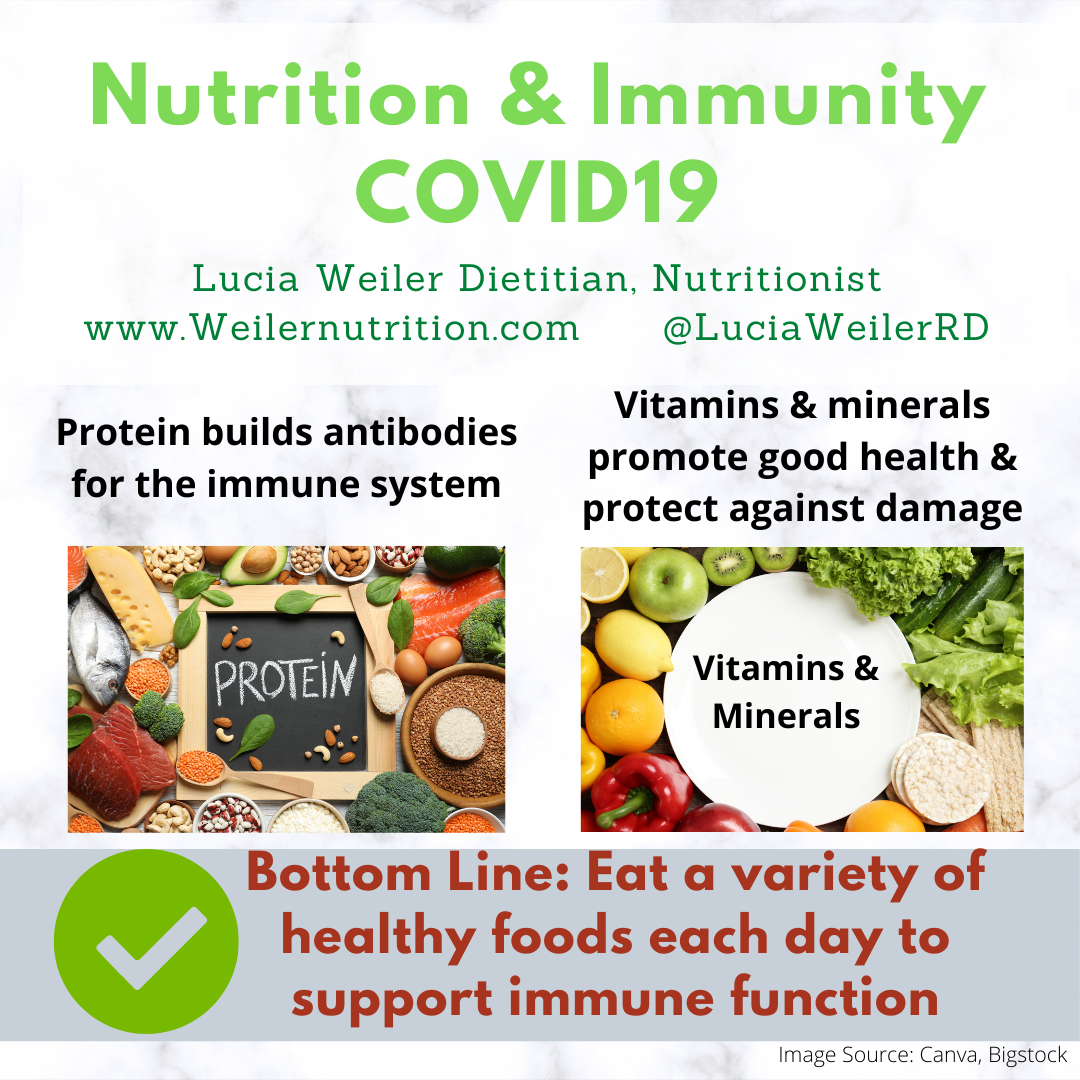
Protein is fundamental for the synthesis of antibodies, enzymes, and immune cells. Antibodies, also known as immunoglobulins, are specialized proteins that identify and neutralize pathogens. Enzymes are critical for various biochemical reactions within immune cells, while immune cells themselves are largely composed of proteins.

A deficiency in protein can lead to impaired immune responses, reduced antibody production, and a decrease in the number of lymphocytes, a type of white blood cell crucial for adaptive immunity.
Excellent sources of protein include lean meats, poultry, fish, eggs, dairy products, legumes, nuts, and seeds. For vegetarians and vegans, a varied intake of plant-based protein sources is crucial to ensure all essential amino acids are consumed.
Carbohydrates: Fueling Immune Activity
While often maligned in certain diets, carbohydrates are the body’s primary source of energy, and this energy is essential for the high metabolic demands of the immune system. Immune cells, particularly during an active infection, require a constant supply of glucose to fuel their rapid proliferation and effector functions.

However, the type of carbohydrate matters. Complex carbohydrates found in whole grains, fruits, and vegetables provide sustained energy and often come packaged with beneficial fiber, vitamins, and minerals. Refined carbohydrates, such as those found in sugary drinks and processed foods, can lead to rapid blood sugar spikes and may contribute to inflammation, potentially hindering immune function over time.
Fats: More Than Just Energy Storage
Dietary fats are crucial for various aspects of immune health. They are integral components of cell membranes, including those of immune cells, influencing their flexibility and signaling capabilities. Certain fatty acids also play a direct role in modulating immune responses.
# Omega-3 Fatty Acids: Anti-inflammatory Powerhouses
Omega-3 fatty acids, particularly eicosapentaenoic acid (EPA) and docosahexaenoic acid (DHA), found abundantly in fatty fish like salmon, mackerel, and sardines, are renowned for their anti-inflammatory properties. Chronic low-grade inflammation can suppress immune function and contribute to various chronic diseases. Omega-3s help to resolve inflammation, promoting a balanced immune response rather than an overactive or underactive one.
Plant-based sources of omega-3s, such as flaxseeds, chia seeds, and walnuts, contain alpha-linolenic acid (ALA), which the body can convert to EPA and DHA, albeit less efficiently.
# Saturated and Trans Fats: The Less Desirable
Conversely, excessive intake of saturated fats and trans fats, commonly found in processed foods, red meat, and some dairy products, can promote inflammation and may negatively impact immune function. Limiting these fats is generally recommended for overall health and immune support.
Micronutrients: The Orchestrators of Immunity
While macronutrients provide the bulk of energy and structural components, micronutrients – vitamins and minerals – act as cofactors, enzymes, and signaling molecules that orchestrate the intricate processes of the immune system.
Vitamin C: The Antioxidant Defender
Vitamin C (ascorbic acid) is perhaps one of the most well-known immune-boosting vitamins. It is a powerful antioxidant that protects immune cells from oxidative damage caused by free radicals generated during immune responses. Vitamin C also plays a role in the production and function of various immune cells, including phagocytes and lymphocytes. It is also crucial for the integrity of epithelial barriers, like skin and mucous membranes, which act as the body’s first line of defense against pathogens.
Rich sources of vitamin C include citrus fruits, berries, kiwi, bell peppers, broccoli, and leafy greens.
Vitamin D: The Immune Modulator
Often referred to as the “sunshine vitamin,” vitamin D is a crucial immune modulator. Receptors for vitamin D are found on almost all immune cells, indicating its widespread influence. Vitamin D plays a role in both innate and adaptive immunity, enhancing the production of antimicrobial peptides, reducing inflammation, and regulating T-cell responses.
Low levels of vitamin D are associated with an increased susceptibility to infections, including respiratory infections. While sunlight exposure is a primary source, dietary sources include fatty fish, fortified dairy products, and some mushrooms. Supplementation may be necessary, especially in regions with limited sunlight or for individuals with restricted sun exposure.
Zinc: The Essential Mineral
Zinc is an indispensable mineral for immune system function. It is involved in the development and function of nearly all immune cells. Zinc deficiency can lead to impaired immune responses, increased susceptibility to infections, and delayed wound healing.
Good dietary sources of zinc include red meat, poultry, shellfish (especially oysters), legumes, nuts, seeds, and whole grains.
Selenium: The Antioxidant Trace Element
Selenium is a trace mineral that acts as a powerful antioxidant, protecting immune cells from damage. It is also involved in the production of glutathione, a key antioxidant in the body. Selenium deficiency can impair immune responses, particularly antiviral immunity.
Brazil nuts are an exceptionally rich source of selenium. Other sources include seafood, poultry, meat, and whole grains.
B Vitamins: Energy and Cell Function
Several B vitamins, including B6, B9 (folate), and B12, are essential for the production and function of immune cells. They are involved in DNA synthesis, which is critical for the rapid proliferation of immune cells during an infection, and in various metabolic pathways that support immune function.
B vitamins are found in a wide range of foods, including whole grains, legumes, leafy greens, meat, fish, and dairy products.
Iron: Oxygen Transport and Immune Cell Development
Iron is vital for oxygen transport and energy metabolism, both of which are crucial for immune cell function. It is also involved in the proliferation and maturation of immune cells. However, both iron deficiency (anemia) and iron overload can negatively impact immune function.
Heme iron, found in meat, poultry, and fish, is more readily absorbed than non-heme iron, found in plant-based sources like legumes, spinach, and fortified cereals. Combining non-heme iron sources with vitamin C can enhance absorption.
Dietary Patterns for Immune Support
Beyond individual nutrients, the overall dietary pattern plays a significant role in shaping immune health.
The Mediterranean Diet: A Blueprint for Health
The Mediterranean diet, characterized by its emphasis on whole, unprocessed foods, is widely recognized for its health benefits, including immune support. It features abundant fruits, vegetables, whole grains, legumes, nuts, seeds, and olive oil as the primary fat source. Fish and poultry are consumed in moderation, while red meat is limited. This dietary pattern provides a rich array of vitamins, minerals, antioxidants, and anti-inflammatory compounds that collectively support a robust immune system.
Emphasize Whole Foods
Prioritizing whole, unprocessed foods over highly refined and processed options is paramount for immune health. Whole foods retain their natural complement of nutrients, fiber, and beneficial phytochemicals that work synergistically to support the body’s defenses. Processed foods, on the other hand, often contain excessive sugar, unhealthy fats, and artificial additives that can contribute to inflammation and undermine immune function.
Gut Health: The Immune System’s Headquarters
The gut microbiome, the trillions of microorganisms residing in the digestive tract, is intimately linked with the immune system. A healthy and diverse gut microbiome is crucial for proper immune development and function. It helps to train immune cells, produce beneficial compounds, and protect against pathogens.
# Prebiotics: Fueling Beneficial Bacteria
Prebiotics are non-digestible fibers that selectively feed beneficial gut bacteria. Sources include garlic, onions, leeks, asparagus, bananas, and whole grains.
# Probiotics: Introducing Beneficial Microbes
Probiotics are live beneficial microorganisms that, when consumed in adequate amounts, confer a health benefit to the host. Fermented foods like yogurt, kefir, sauerkraut, kimchi, and kombucha are excellent sources of probiotics.
Lifestyle Factors and Immune Health
While nutrition is a cornerstone, other lifestyle factors significantly impact immune function.
Adequate Sleep: Rest for Resilience
Sleep deprivation can suppress immune function, reducing the production of protective cytokines and increasing susceptibility to infections. Aim for 7-9 hours of quality sleep per night to allow your immune system to repair and rejuvenate.
Regular Physical Activity: A Balanced Approach
Moderate regular physical activity can boost immune function by improving circulation and reducing inflammation. However, excessive or intense exercise without adequate recovery can temporarily suppress immunity. Find a balance that suits your body and fitness level.
Stress Management: Calming the Immune Response
Chronic stress can release hormones that suppress immune function, making you more vulnerable to illness. Incorporate stress-reducing practices such as meditation, yoga, deep breathing exercises, or spending time in nature.
Hydration: Essential for All Bodily Functions
Water is essential for every bodily function, including immune responses. It helps transport nutrients to cells, removes waste products, and maintains the integrity of mucous membranes, which are a primary defense against pathogens. Aim for at least 8 glasses of water daily.
Conclusion
Nourishing the immune system is a continuous process that involves making conscious dietary and lifestyle choices. By prioritizing a diverse diet rich in whole, unprocessed foods, emphasizing key vitamins and minerals, fostering a healthy gut microbiome, and incorporating supportive lifestyle practices, individuals can empower their bodies to defend against illness and maintain optimal health. Remember, a well-fed immune system is a well-fortified immune system, ready to meet the challenges of the world and keep you thriving.
:max_bytes(150000):strip_icc()/EW-Meal-Plans-Healthy-Weight-Gain-Day-4-1x1-alt-81577102cff74485ac146541976d8b22.jpg?resize=200,135&ssl=1 "Fueling Up: High-Protein Meals For Healthy Weight Gain")


