
The Citrus Shield and Beyond: A Deep Dive into Vitamin C-Rich Foods for Robust Immunity
In the intricate symphony of human health, immunity plays the role of the vigilant guardian, constantly defending against a barrage of pathogens and environmental threats. At the heart of this defense mechanism lies a crucial micronutrient: Vitamin C, or ascorbic acid. Renowned for its antioxidant prowess and its pivotal role in numerous physiological processes, Vitamin C is not merely a common cold remedy but a cornerstone of a robust immune system. While often associated with citrus fruits, the world of Vitamin C-rich foods is vast and varied, offering a delicious array of options to fortify your body’s natural defenses. This extensive exploration will delve into the science behind Vitamin C’s immune benefits and highlight a diverse range of foods that can help you achieve optimal intake, empowering your immune system to stand strong.
The Multifaceted Role of Vitamin C in Immunity
Vitamin C’s contribution to immunity is far more complex than simply “boosting” it. Its actions span multiple levels, from enhancing cellular function to acting as a powerful antioxidant.

# Potent Antioxidant Protection
One of Vitamin C’s most celebrated roles is its function as a powerful antioxidant. Our bodies are constantly exposed to free radicals – unstable molecules that can damage cells, proteins, and DNA, leading to oxidative stress. This stress is implicated in a wide range of chronic diseases and can also impair immune function. Vitamin C effectively neutralizes these free radicals, protecting immune cells from damage and ensuring their optimal performance. By mitigating oxidative stress, Vitamin C helps maintain the integrity of immune cell membranes and genetic material, allowing them to respond efficiently to threats.
# Enhancing Phagocyte Function
Phagocytes, such as neutrophils and macrophages, are the frontline soldiers of the immune system. They engulf and destroy invading microorganisms, a process known as phagocytosis. Vitamin C accumulates in high concentrations within these immune cells, enhancing their ability to migrate to sites of infection, engulf pathogens, and produce reactive oxygen species that kill them. This increased functional capacity means a more rapid and effective immune response.
# Supporting Lymphocyte Proliferation and Differentiation
Lymphocytes, including T-cells and B-cells, are crucial for adaptive immunity, responsible for recognizing and remembering specific pathogens. Vitamin C plays a vital role in the proliferation and differentiation of these cells, supporting their ability to mount targeted immune responses. Adequate Vitamin C levels ensure that the body can generate a sufficient number of specialized immune cells to effectively combat new and recurring infections.
# Bolstering Barrier Function
The skin and mucous membranes (lining the respiratory, digestive, and urogenital tracts) form the body’s first line of defense against pathogens. Vitamin C is essential for the synthesis of collagen, a primary structural protein that maintains the integrity of these barriers. Strong, healthy skin and mucous membranes are less permeable to invading microorganisms, providing a critical physical barrier against infection.
# Reducing Inflammation and Allergic Responses
While inflammation is a necessary part of the immune response, chronic or excessive inflammation can be detrimental. Vitamin C has anti-inflammatory properties, helping to regulate the immune response and prevent over-inflammation. Furthermore, it can help reduce histamine levels, potentially alleviating symptoms of allergies and asthma, conditions often linked to an overactive immune response.
# Regeneration of Other Antioxidants
Vitamin C has the remarkable ability to regenerate other antioxidants, most notably Vitamin E. By “recycling” Vitamin E, which also plays a crucial role in protecting cell membranes from oxidative damage, Vitamin C amplifies the body’s overall antioxidant defense network. This synergistic action provides comprehensive protection for immune cells.
Beyond the Orange: A Diverse Palette of Vitamin C-Rich Foods
While oranges are synonymous with Vitamin C, relying solely on them would be a disservice to the vast array of other delicious and nutritious foods that pack a powerful punch of this essential vitamin. Incorporating a variety of these foods into your diet ensures a broader spectrum of nutrients and phytochemicals, further enhancing overall health and immunity.
# The Citrus Stars: Oranges, Grapefruits, Lemons, and Limes
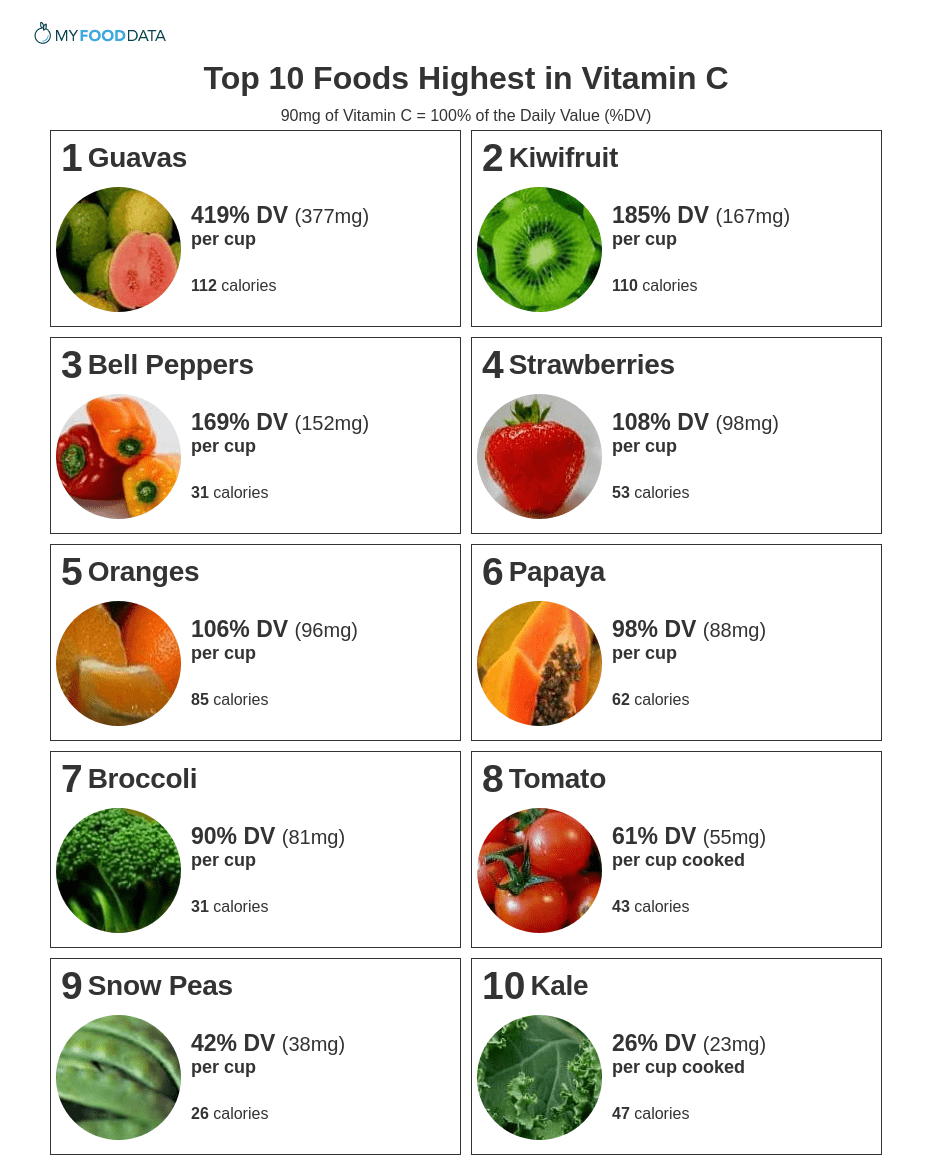
Indeed, citrus fruits are excellent sources of Vitamin C. A medium orange can provide over 100% of the daily recommended intake. Grapefruits, lemons, and limes also contribute significantly. Beyond Vitamin C, these fruits offer a refreshing taste and are rich in flavonoids, compounds with antioxidant and anti-inflammatory properties that further support immune health. Incorporating them into juices, salads, dressings, or simply enjoying them whole is a simple and effective way to boost your Vitamin C intake.
# The Berry Bonanza: Strawberries, Blueberries, Raspberries, and Blackcurrants
Berries are not only delicious but also nutritional powerhouses. Strawberries, in particular, are exceptionally high in Vitamin C, often surpassing oranges gram for gram. Blueberries, raspberries, and blackcurrants, while slightly lower in Vitamin C than strawberries, still contribute significantly and are brimming with anthocyanins, powerful antioxidants that give them their vibrant colors and offer additional immune benefits. Enjoy them fresh, in smoothies, or atop your breakfast cereal for a delightful immune-boosting treat.
# The Tropical Treasures: Kiwifruit, Papaya, and Pineapple
Venturing into the tropics opens up a world of Vitamin C-rich fruits. Kiwifruit stands out as a remarkable source, with just one medium kiwifruit providing well over the daily recommended amount. Papaya and pineapple also offer substantial amounts of Vitamin C, along with enzymes that aid digestion and reduce inflammation. These fruits are perfect for fresh consumption, fruit salads, or blending into refreshing drinks.
# The Pepper Powerhouses: Bell Peppers (Red, Yellow, Green)
Perhaps surprisingly to some, bell peppers, especially red and yellow varieties, are exceptional sources of Vitamin C, often containing more than citrus fruits. Even green bell peppers offer a significant amount. Their versatility makes them easy to incorporate into various dishes, from stir-fries and salads to roasted vegetables and omelets. The vibrant colors are an indicator of their rich nutrient profile, including other antioxidants that work synergistically with Vitamin C.
# The Cruciferous Champions: Broccoli, Brussels Sprouts, and Cauliflower
These cruciferous vegetables are not only known for their cancer-fighting properties but also for their impressive Vitamin C content. Broccoli, in particular, is a standout. Steaming or lightly stir-frying these vegetables helps retain their Vitamin C content. They can be enjoyed as a side dish, added to soups and stews, or even roasted for a crispy texture. Beyond Vitamin C, they offer a wealth of fiber, vitamins, and minerals essential for overall health.
# The Leafy Green Giants: Kale and Spinach
While perhaps not as high in Vitamin C as some other options, leafy greens like kale and spinach still contribute meaningfully, especially when consumed in larger quantities. They are also packed with a myriad of other vitamins, minerals, and antioxidants that collectively support immune function. Incorporate them into salads, smoothies, or sauté them as a healthy side dish.
# The Potato Powerhouse: White Potatoes
Often overlooked in discussions about Vitamin C, white potatoes surprisingly contain a decent amount, especially when consumed with their skin. While not as concentrated as other sources, their frequent consumption in many diets means they can contribute significantly to overall intake. Baking or boiling potatoes with their skin on helps preserve their nutrient content.
# Other Notable Sources: Tomatoes and Guava
Tomatoes, especially when cooked, provide Vitamin C, along with lycopene, another powerful antioxidant. Guava, a less common fruit in some regions, is an absolute superstar when it comes to Vitamin C, often boasting several times the amount found in an orange. If available, incorporating guava into your diet is an excellent way to boost your Vitamin C intake.
Maximizing Vitamin C Intake: Practical Tips and Considerations
While consuming Vitamin C-rich foods is straightforward, certain practices can help maximize its benefits and prevent nutrient loss.
# Prioritize Fresh and Raw
Vitamin C is water-soluble and susceptible to degradation by heat, light, and air. Therefore, consuming foods fresh and raw whenever possible is ideal. Salads, fruit bowls, and fresh vegetable sticks are excellent ways to get your daily dose.
# Opt for Steaming or Light Cooking
When cooking, opt for methods that minimize heat exposure and water contact, such as steaming, quick stir-frying, or roasting. Avoid prolonged boiling, which can leach out a significant portion of Vitamin C.
# Store Properly
Store Vitamin C-rich foods in a cool, dark place or in the refrigerator to minimize nutrient degradation. Consume them relatively quickly after purchase to ensure optimal nutrient content.
# Variety is Key
Don’t rely on just one or two sources. Incorporating a wide variety of Vitamin C-rich foods ensures a broader spectrum of nutrients and phytochemicals, leading to more comprehensive health benefits.
# Consider Supplements (Under Guidance)
While a balanced diet should be the primary source of Vitamin C, supplements can be considered in specific circumstances, such as during periods of illness, high stress, or for individuals with malabsorption issues. However, it’s crucial to consult with a healthcare professional before taking high-dose supplements, as excessive intake can lead to digestive upset.
The Holistic Approach to Immunity
While Vitamin C is undeniably vital, it’s important to remember that a strong immune system is built upon a holistic foundation. No single nutrient can act in isolation.
# Balanced Diet
Beyond Vitamin C, ensure your diet is rich in other essential vitamins and minerals, including Vitamin D, Zinc, Selenium, and a spectrum of B vitamins. A diverse intake of fruits, vegetables, whole grains, and lean proteins provides the building blocks for optimal immune function.
# Adequate Sleep
Sleep is a critical period for immune repair and regeneration. Chronic sleep deprivation weakens the immune system, making you more susceptible to infections. Aim for 7-9 hours of quality sleep per night.
# Regular Physical Activity
Moderate, regular exercise can enhance immune function by increasing the circulation of immune cells. However, excessive or intense exercise without adequate recovery can temporarily suppress immunity, so balance is key.
# Stress Management
Chronic stress can suppress the immune system by releasing hormones that inhibit immune cell activity. Incorporate stress-reducing practices into your daily routine, such as meditation, yoga, mindfulness, or spending time in nature.
# Hydration
Water is essential for all bodily functions, including immune cell transport and nutrient delivery. Stay well-hydrated throughout the day by drinking plenty of water.
Conclusion
Vitamin C stands as a formidable ally in the ongoing battle for robust immunity. Its multifaceted roles, from antioxidant protection to enhancing immune cell function and bolstering physical barriers, underscore its indispensable nature. Moving beyond the common misconception that oranges are the sole source, a vibrant world of fruits and vegetables – from bell peppers and berries to kiwifruit and broccoli – offers abundant opportunities to integrate this vital nutrient into your daily diet. By embracing a diverse array of Vitamin C-rich foods, coupled with a holistic approach to health encompassing adequate sleep, regular exercise, stress management, and overall balanced nutrition, you can empower your immune system to stand strong, resilient, and ready to defend against the myriad challenges of the modern world. Invest in your dietary choices, and you invest in the enduring strength of your immune shield.
:max_bytes(150000):strip_icc()/EW-Meal-Plans-Healthy-Weight-Gain-Day-4-1x1-alt-81577102cff74485ac146541976d8b22.jpg?resize=200,135&ssl=1 "Fueling Up: High-Protein Meals For Healthy Weight Gain")


