
The Power of Nutrition in Cancer Prevention: A Comprehensive Guide
Cancer remains a significant global health challenge, but the good news is that a substantial portion of cancer risk is modifiable. Among the lifestyle factors we can influence, nutrition stands out as a powerful tool for prevention. This article delves into the intricate relationship between diet and cancer, exploring the specific foods and dietary patterns that can help reduce your risk.
Understanding the Link Between Nutrition and Cancer
The development of cancer is a complex process involving genetic and environmental factors. While we can’t change our genes, we can certainly influence our environment, particularly what we eat. Certain dietary components can affect cellular processes, DNA integrity, inflammation, and hormone regulation – all of which play a role in cancer development. Conversely, other nutrients and dietary patterns can bolster our body’s defenses, protecting against the initiation and progression of the disease.
Key Dietary Strategies for Cancer Prevention
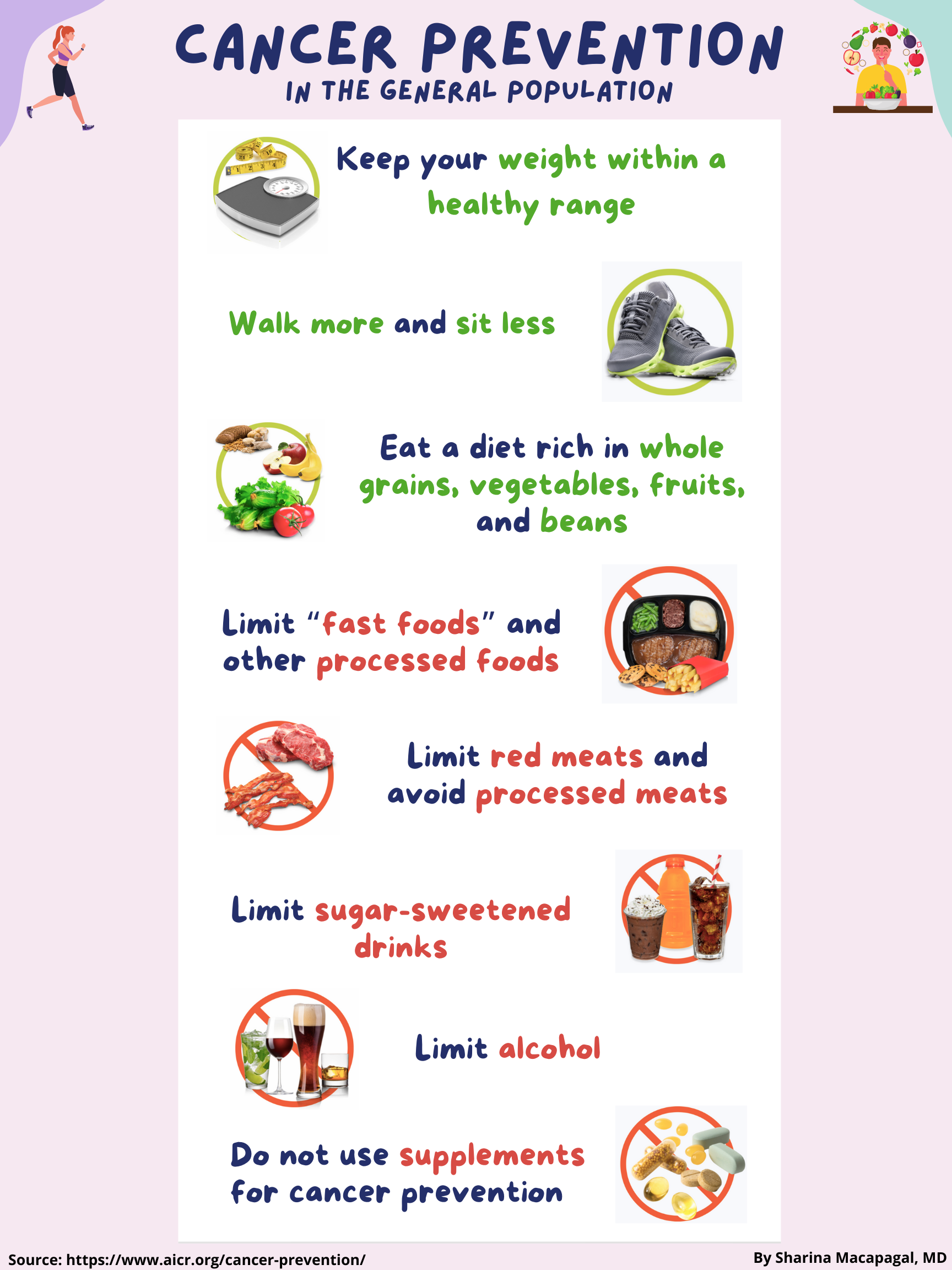
Adopting a holistic approach to nutrition is crucial for cancer prevention. This involves focusing on a variety of whole, unprocessed foods and limiting those that may increase risk.
# 1. Embrace a Plant-Rich Diet
A cornerstone of cancer prevention is a diet rich in plant-based foods. Fruits, vegetables, whole grains, and legumes are packed with vitamins, minerals, fiber, and phytochemicals – naturally occurring plant compounds with potent health-promoting properties.

1.1 The Protective Power of Fruits and Vegetables
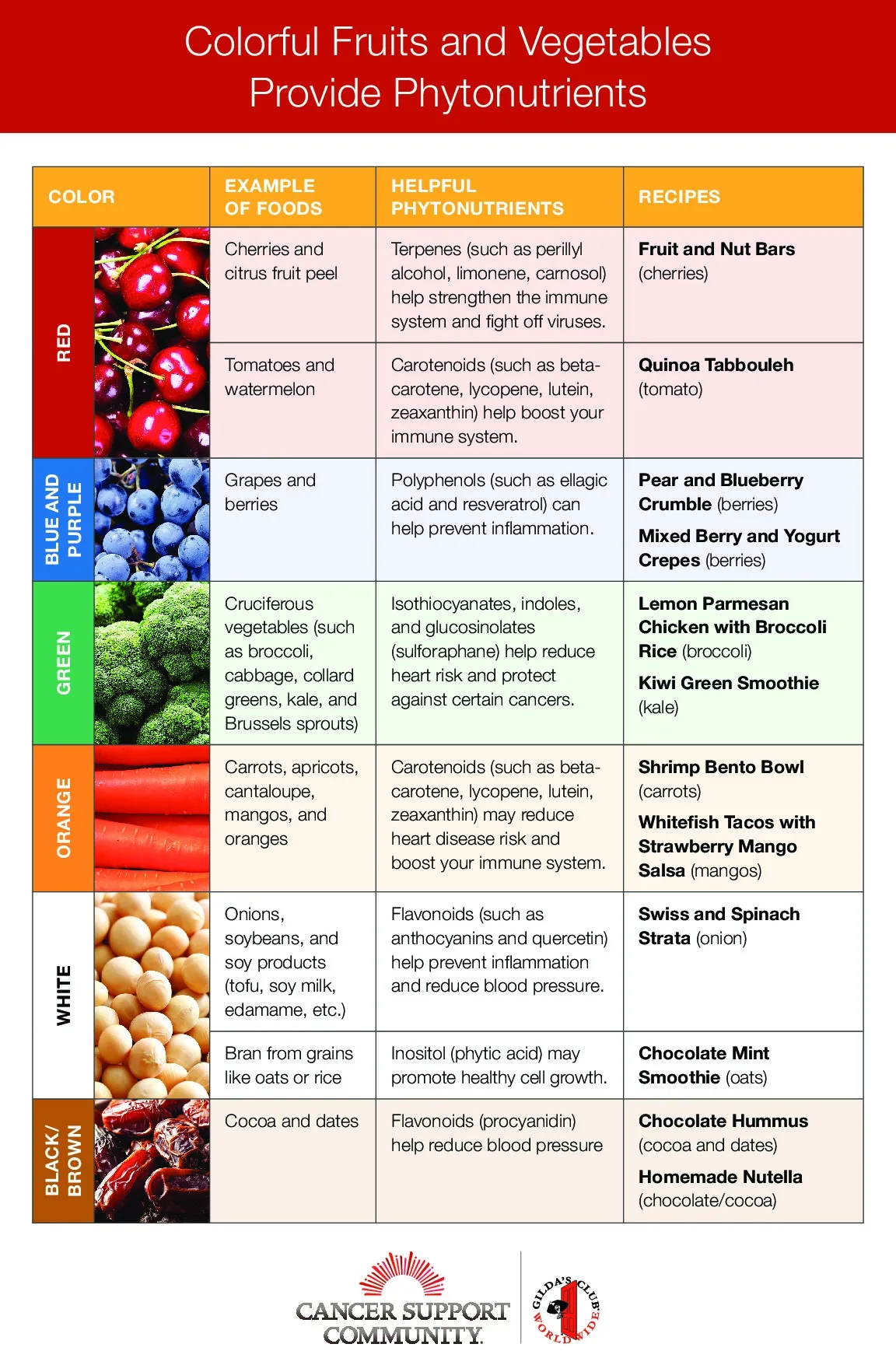
These vibrant foods are brimming with antioxidants, which help protect cells from damage caused by free radicals, unstable molecules that can contribute to cancer development. Different colored fruits and vegetables contain a diverse array of beneficial compounds, so aiming for a “rainbow” on your plate is a good strategy.
1.2 The Importance of Whole Grains
Unlike refined grains, whole grains retain their bran, germ, and endosperm, providing a wealth of fiber, vitamins, and minerals. Fiber aids in digestion, helps regulate blood sugar levels, and may play a role in preventing colorectal cancer.
1.3 The Benefits of Legumes
Beans, lentils, and peas are excellent sources of protein, fiber, and various micronutrients. Some studies suggest that legumes may have protective effects against certain cancers.
# 2. Limit Red and Processed Meats
Extensive research links high consumption of red and processed meats to an increased risk of several cancers, particularly colorectal cancer. Processed meats, such as bacon, sausages, and deli meats, often contain nitrates and nitrites, which can form cancer-causing compounds in the body. Red meat, including beef, pork, and lamb, contains heme iron, which may also contribute to cancer risk when consumed in large amounts.
# 3. Moderate Alcohol Consumption
Alcohol consumption is associated with an increased risk of several types of cancer, including breast, colorectal, liver, and head and neck cancers. The risk increases with the amount of alcohol consumed. For cancer prevention, limiting or avoiding alcohol is advisable.
# 4. Maintain a Healthy Weight
Obesity is a significant risk factor for numerous cancers. Excess body fat can lead to chronic inflammation and hormonal imbalances, both of which can promote cancer development. A balanced diet and regular physical activity are key to maintaining a healthy weight and reducing cancer risk.
# 5. Focus on Healthy Fats
While limiting overall fat intake was previously emphasized, we now understand the importance of consuming healthy fats. Omega-3 fatty acids, found in fatty fish, flaxseeds, and walnuts, have anti-inflammatory properties that may be beneficial in cancer prevention. Olive oil, a staple of the Mediterranean diet, is rich in monounsaturated fats and antioxidants.
# 6. Be Mindful of Food Preparation
Certain cooking methods can produce carcinogenic compounds. For example, grilling or charring meat at high temperatures can form heterocyclic amines (HCAs) and polycyclic aromatic hydrocarbons (PAHs). Opting for lower-heat cooking methods like baking, steaming, or poaching can help minimize the formation of these compounds.
Specific Foods with Potential Cancer-Protective Properties
While a balanced dietary pattern is most important, some individual foods have been particularly highlighted for their potential cancer-preventive effects:
# 6.1 Cruciferous Vegetables
Broccoli, cauliflower, kale, and Brussels sprouts contain compounds called glucosinolates, which the body converts into isothiocyanates. These compounds have shown promise in inhibiting cancer development in laboratory studies.
# 6.2 Berries
Rich in antioxidants, particularly anthocyanins, berries like blueberries, strawberries, and raspberries may help protect against cell damage and inflammation.
# 6.3 Tomatoes
Lycopene, the pigment that gives tomatoes their red color, is a potent antioxidant that has been linked to a reduced risk of prostate cancer in some studies.
# 6.4 Garlic and Onions
These allium vegetables contain sulfur compounds that may have anti-cancer properties.
# 6.5 Turmeric
Curcumin, the active compound in turmeric, has anti-inflammatory and antioxidant effects and has shown potential in laboratory studies to inhibit cancer growth.
The Importance of Dietary Patterns
More than focusing on individual “superfoods,” adopting an overall healthy dietary pattern is key. The Mediterranean diet, rich in fruits, vegetables, whole grains, olive oil, and fish, with limited red meat and dairy, has been consistently linked to a lower risk of various chronic diseases, including cancer. Plant-based diets, which emphasize fruits, vegetables, whole grains, and legumes, have also shown promise in cancer prevention.
Conclusion: Nourishing Your Body for Cancer Prevention
Nutrition plays a vital role in reducing the risk of cancer. By embracing a diet rich in plant-based foods, limiting red and processed meats and alcohol, maintaining a healthy weight, and focusing on healthy fats, you can empower your body’s natural defenses. While no single food can guarantee cancer prevention, a consistent commitment to a healthy dietary pattern is a powerful step you can take towards long-term health and well-being. Remember to consult with healthcare professionals or registered dietitians for personalized dietary advice.
:max_bytes(150000):strip_icc()/EW-Meal-Plans-Healthy-Weight-Gain-Day-4-1x1-alt-81577102cff74485ac146541976d8b22.jpg?resize=200,135&ssl=1 "Fueling Up: High-Protein Meals For Healthy Weight Gain")


