
Eating Your Way to a healthier Heart: A Comprehensive Guide to Lowering Cholesterol Through Diet
High cholesterol is a silent threat, a significant risk factor for heart disease, the leading cause of death worldwide. While medication plays a crucial role for many, the power of diet in managing and lowering cholesterol levels cannot be overstated. Food isn’t just fuel; it’s medicine, offering a delicious and sustainable pathway to a healthier heart. This comprehensive guide will delve into the science behind cholesterol, explore the foods that actively work to reduce its levels, and provide practical strategies for incorporating these heart-healthy choices into your daily life.
Understanding Cholesterol: The Good, The Bad, and The Ugly
Before we dive into dietary solutions, it’s essential to understand what cholesterol is and why it matters. Cholesterol is a waxy, fat-like substance found in all your body’s cells. It’s essential for building healthy cells, producing hormones, and aiding in digestion. However, too much of certain types of cholesterol can lead to problems.
There are two main types of cholesterol:
Low-Density Lipoprotein (LDL) Cholesterol: Often dubbed “bad” cholesterol, LDL carries cholesterol to your arteries. High levels of LDL can lead to plaque buildup in your arteries, a condition called atherosclerosis, which narrows and hardens them, increasing your risk of heart attack and stroke.
Additionally, we consider:
Triglycerides: These are another type of fat in your blood. High triglycerides, often linked to excess calories, sugar, and alcohol, can also contribute to heart disease.

The goal, from a dietary perspective, is to lower LDL cholesterol, increase HDL cholesterol, and reduce triglycerides.
The Power of the Plate: How Food Influences Cholesterol
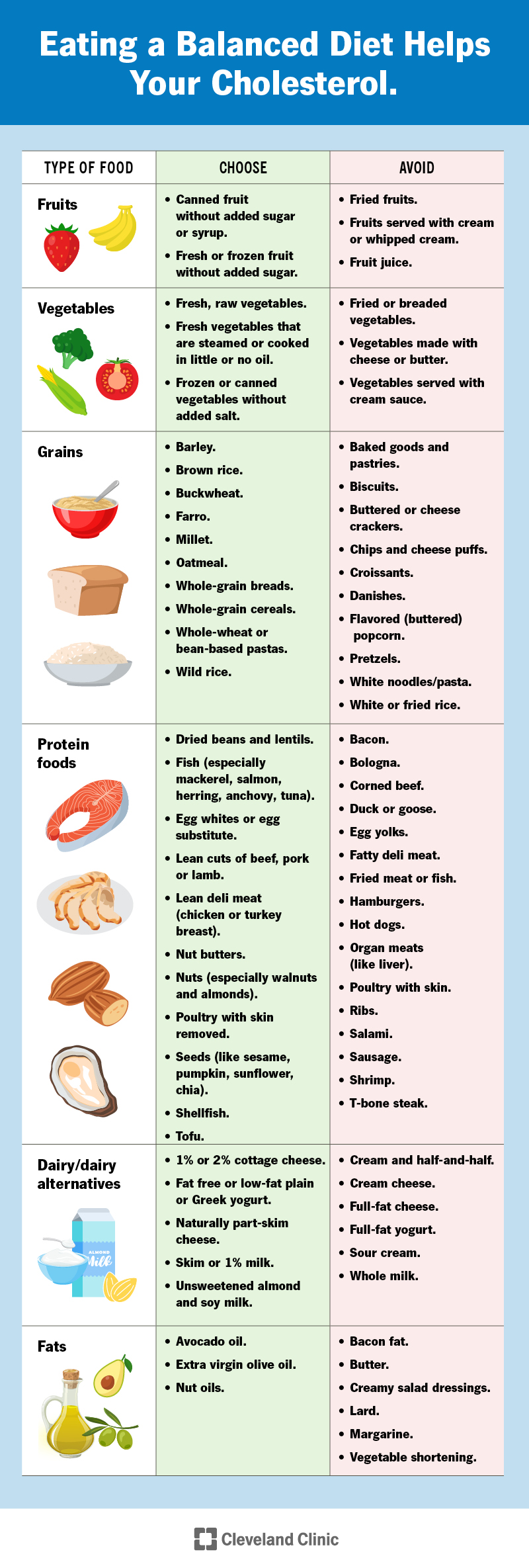
The foods we eat directly impact our cholesterol levels in several ways. Saturated and trans fats, found in many processed and animal-based foods, raise LDL cholesterol. Dietary cholesterol, while once thought to be a major culprit, has less of an impact on blood cholesterol for most people compared to saturated and trans fats. Conversely, soluble fiber, plant sterols, and healthy fats can actively work to lower LDL and improve overall lipid profiles.
This article will focus on specific food groups and components that have scientifically proven benefits in the fight against high cholesterol.
Fibre: The Gut’s Secret Weapon Against Cholesterol
Fibre, particularly soluble fibre, is a superstar when it comes to cholesterol management. Soluble fibre dissolves in water to form a gel-like substance in your digestive tract. This gel binds to cholesterol and prevents its absorption, carrying it out of the body before it can enter your bloodstream.
Oats and Barley: Breakfast Champions
Oats and barley are rich in beta-glucan, a type of soluble fibre especially effective at lowering LDL cholesterol. Research consistently shows that incorporating these grains into your daily diet can significantly reduce cholesterol levels.
How to incorporate: Start your day with a bowl of oatmeal or oat bran. You can also add oats to smoothies, muffins, or use oat flour in baking. Barley can be added to soups, stews, salads, or used as a side dish instead of rice.
Legumes: The Versatile Powerhouses
Beans, lentils, chickpeas, and peas are not only excellent sources of protein and various nutrients but also packed with soluble fibre. Their fibre content helps reduce LDL cholesterol and improve blood sugar control.
How to incorporate: Add a variety of legumes to your diet. Think bean chili, lentil soup, chickpea salads, or using beans as a protein source in tacos and burritos. They can also be a fantastic meat substitute in many dishes.
Fruits: Nature’s Sweet Cholesterol Reducers
Many fruits are rich in soluble fibre, particularly pectin, which is known for its cholesterol-lowering properties.
How to incorporate: Apples, pears, citrus fruits (oranges, grapefruits), and berries are particularly good sources. Enjoy them as snacks, add them to your breakfast cereal, or blend them into smoothies.
Vegetables: The Colorful Contributors
Just like fruits, many vegetables contribute valuable soluble fibre to your diet.
How to incorporate: Brussels sprouts, broccoli, carrots, and sweet potatoes are good examples. Aim for a variety of colorful vegetables in your meals. Steam them, roast them, or add them to stir-fries.
Healthy Fats: Not All Fats Are Created Equal
The conventional wisdom of “fat is bad” has been largely debunked. While saturated and trans fats are detrimental to cholesterol levels, unsaturated fats – monounsaturated and polyunsaturated – are heart-healthy and can actually improve your lipid profile.
Avocado: The Creamy Cholesterol Buster
Avocado is a fantastic source of monounsaturated fatty acids (MUFAs), which can help lower LDL cholesterol and raise HDL cholesterol. It’s also rich in soluble fibre.
How to incorporate: Add avocado to salads, sandwiches, or enjoy it as a spread on toast. Guacamole (homemade, to avoid unhealthy additives) is another delicious way to incorporate it.
Nuts: A Handful of Heart Health
Almonds, walnuts, pecans, and other tree nuts are rich in monounsaturated and polyunsaturated fats, fibre, and plant sterols, all of which contribute to lower LDL cholesterol. Walnuts, in particular, are high in omega-3 fatty acids, which also benefit heart health.
How to incorporate: A small handful (about a quarter cup) of unsalted nuts makes a great snack. Add them to oatmeal, salads, or use them in homemade trail mix. Remember that nuts are calorie-dense, so moderation is key.
Seeds: Tiny Powerhouses of Good Fats
Like nuts, seeds such as chia, flax, and sunflower seeds are excellent sources of healthy fats, fibre, and other beneficial compounds. Flaxseeds are particularly notable for their omega-3 content (alpha-linolenic acid or ALA) and lignans, which may have cholesterol-lowering effects.
How to incorporate: Sprinkle chia seeds or ground flaxseeds into smoothies, yogurt, or oatmeal. Add sunflower seeds to salads or use them in homemade granola.
Olive Oil: The Cornerstone of the Mediterranean Diet
Extra virgin olive oil, a staple of the Mediterranean diet, is predominantly monounsaturated fat. It has been shown to lower LDL cholesterol while maintaining or even increasing HDL cholesterol.
How to incorporate: Use extra virgin olive oil for salad dressings, dipping bread, and sautéing vegetables. It’s best used in its raw or lightly heated form to preserve its beneficial compounds.
Fatty Fish: Omega-3 Rich Wonders
Fatty fish like salmon, mackerel, tuna, and sardines are rich in omega-3 fatty acids (EPA and DHA). These powerful fats can significantly lower triglycerides, reduce inflammation, and may modestly increase HDL cholesterol.
How to incorporate: Aim for at least two servings of fatty fish per week. Grill, bake, or poach your fish.
Plant Sterols and Stanols: Nature’s Cholesterol Blockers
Plant sterols and stanols are compounds naturally found in plants that are structurally similar to cholesterol. When consumed, they compete with cholesterol for absorption in the digestive tract, effectively blocking some dietary cholesterol from entering your bloodstream.
Fortified Foods: An Easy Boost
While naturally present in small amounts in nuts, seeds, and vegetable oils, their cholesterol-lowering effects are more pronounced when consumed in fortified foods. Many margarines, yogurts, milk, and orange juice brands are now fortified with plant sterols or stanols.
How to incorporate: Check food labels for products fortified with plant sterols or stanols. Incorporate them into your diet as a regular part of your meals or snacks, following the recommended daily intake (typically 2-3 grams).
Other Notable Cholesterol-Lowering Foods
Beyond the major players, several other foods offer unique benefits in the fight against high cholesterol.
Garlic: More Than Just Flavor
Beyond its culinary appeal, garlic has been studied for its potential to lower cholesterol. While the effects are generally modest compared to other dietary interventions, some research suggests it can help reduce total and LDL cholesterol.
How to incorporate: Incorporate fresh garlic into your cooking regularly. Minced garlic can be added to almost any savory dish.
Dark Chocolate and Cocoa: A Sweet Surprise (in Moderation)
Good news for chocolate lovers! Dark chocolate and cocoa are rich in flavonoids, antioxidants that may help lower LDL cholesterol and improve blood vessel function. However, this applies to dark chocolate with a high cocoa content (70% or more) and should be consumed in moderation due to its calorie and sugar content.
How to incorporate: Enjoy a small square of dark chocolate as a treat. Look for brands with high cocoa percentages and minimal added sugar.
Green Tea: The Antioxidant Powerhouse
Green tea is packed with catechins and other antioxidants that may help lower LDL cholesterol and prevent its oxidation, a process that contributes to plaque buildup.
How to incorporate: Enjoy a few cups of green tea daily. Opt for unsweetened varieties.
Beyond Individual Foods: The Power of Dietary Patterns
While focusing on individual foods is helpful, the most significant impact on cholesterol levels comes from adopting a holistic dietary pattern.
The Mediterranean Diet: A Gold Standard for Heart Health
The Mediterranean diet is consistently ranked as one of the healthiest eating patterns in the world, largely due to its profound benefits for heart health, including cholesterol management. It emphasizes:
Abundance of fruits, vegetables, whole grains, and legumes.
DASH Diet: Designed for Blood Pressure, Great for Cholesterol
The Dietary Approaches to Stop Hypertension (DASH) diet was initially developed to lower blood pressure but also significantly benefits cholesterol levels. It focuses on:
High intake of fruits, vegetables, and whole grains.
Both the Mediterranean and DASH diets provide a framework for incorporating the cholesterol-lowering foods discussed in this guide into a sustainable and delicious eating plan.
Practical Strategies for Lowering Cholesterol Through Diet
Changing dietary habits can feel daunting, but a gradual and strategic approach yields the best long-term results.
Start Small, Make Sustainable Changes
Don’t try to overhaul your entire diet overnight. Instead, focus on small, achievable changes that you can stick with. For example, swap your sugary breakfast cereal for oatmeal, or replace a high-fat snack with a handful of nuts.
Read Food Labels Diligently
Become a detective when it comes to food labels. Pay close attention to:
Saturated Fat: Aim to limit saturated fat intake to less than 7% of your daily calories.
Cook More at Home
Preparing your own meals gives you control over the ingredients. You can choose healthier fats, lean proteins, and load up on fruits and vegetables.
Mindful Eating and Portion Control
Even healthy foods can contribute to weight gain if consumed in excess. Practice mindful eating, paying attention to your body’s hunger and fullness cues. Be aware of portion sizes, especially for calorie-dense foods like nuts and avocados.
Hydrate with Water
Drinking plenty of water is essential for overall health and can help with digestion and satiety, indirectly supporting healthy eating habits.
Limit Processed Foods, Sugary Drinks, and Red Meat
These foods are often high in saturated fat, trans fats, added sugars, and sodium, all of which can negatively impact cholesterol levels and overall heart health. Opt for whole, unprocessed foods whenever possible.
Seek Professional Guidance
If you have high cholesterol or other cardiovascular risk factors, consult with your doctor or a registered dietitian. They can provide personalized dietary advice, help you set realistic goals, and monitor your progress.
Conclusion: A Delicious Path to a Healthier Heart
Lowering cholesterol through diet is not about deprivation; it’s about embracing a vibrant and delicious way of eating that nourishes your body and protects your heart. By understanding the science behind cholesterol and consciously incorporating fibre-rich foods, healthy fats, and plant sterols into your daily routine, you can significantly improve your lipid profile and reduce your risk of heart disease. Remember, every bite is an opportunity to make a positive impact on your long-term health. Start today, and savor the journey to a healthier, happier you.
:max_bytes(150000):strip_icc()/EW-Meal-Plans-Healthy-Weight-Gain-Day-4-1x1-alt-81577102cff74485ac146541976d8b22.jpg?resize=200,135&ssl=1 "Fueling Up: High-Protein Meals For Healthy Weight Gain")

