
The Anti-Inflammatory Diet: Your Powerful Tool for Disease Prevention
Chronic inflammation is increasingly recognized as a silent driver behind many of the most prevalent and debilitating diseases of our time, including heart disease, type 2 diabetes, cancer, Alzheimer’s disease, and autoimmune disorders. While acute inflammation is a necessary bodily response to injury or infection, chronic, low-grade inflammation persists over the long term and can damage tissues and organs. Fortunately, one of the most potent tools we have to combat this harmful process lies right on our plates: the food we eat. An anti-inflammatory diet, rich in specific nutrients and compounds, can help to quell this internal fire and significantly reduce the risk of developing these chronic illnesses.
Understanding Inflammation: The Body’s Double-Edged Sword
Inflammation is the body’s natural defense mechanism. When you get a cut, experience an infection, or encounter a harmful substance, your immune system kicks in, releasing chemicals that cause redness, swelling, heat, and pain. This acute inflammatory response is crucial for healing and fighting off pathogens. However, when this response becomes chronic – lingering for months or even years, often without an obvious external trigger – it can turn against the body.
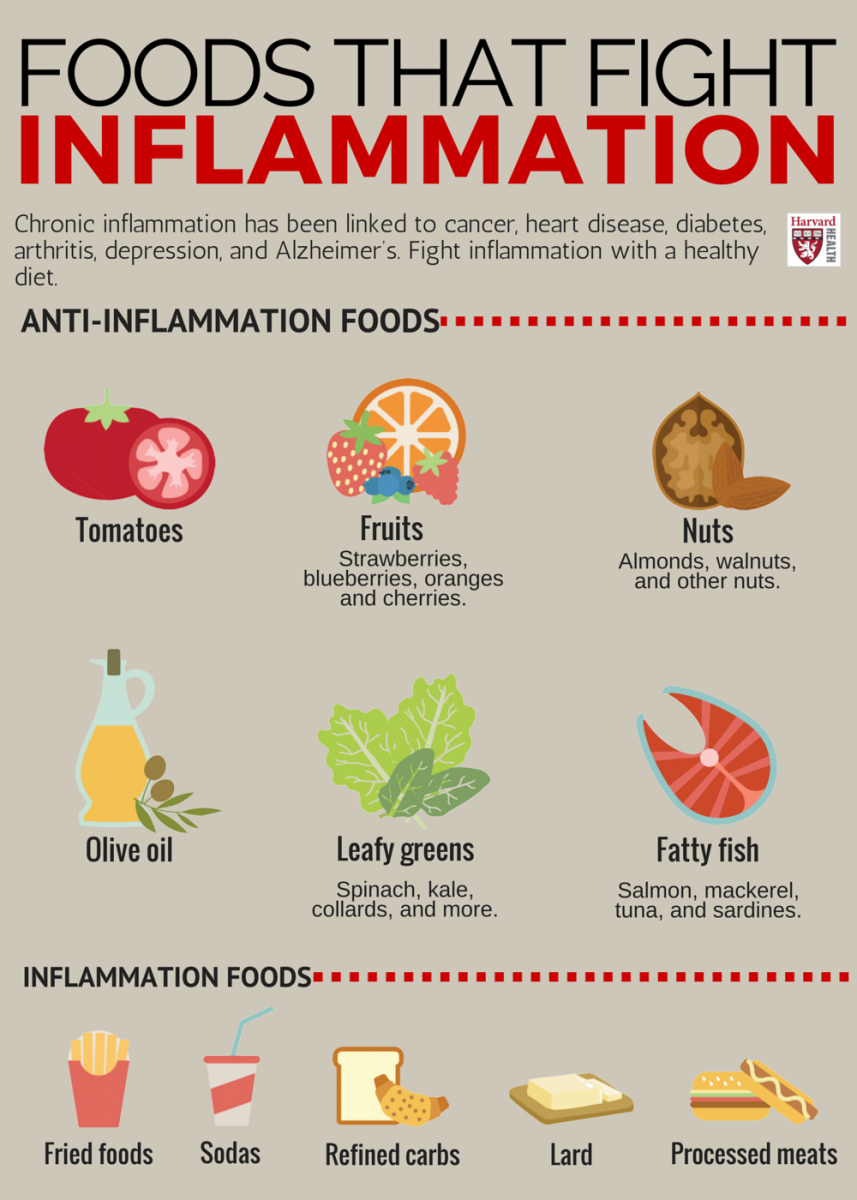
This chronic inflammation can be caused by various factors, including persistent infections, autoimmune reactions where the body attacks its own tissues, and lifestyle factors such as obesity, stress, smoking, and, significantly, diet. A diet high in processed foods, unhealthy fats, and added sugars can promote the production of pro-inflammatory molecules, contributing to a state of chronic low-grade inflammation throughout the body.
The Power of an Anti-Inflammatory Dietary Pattern
The good news is that we can actively influence our body’s inflammatory state through our dietary choices. An anti-inflammatory diet isn’t a strict set of rules or a short-term fix; rather, it’s a way of eating that prioritizes whole, nutrient-dense foods known for their anti-inflammatory properties while limiting or avoiding foods that are known to promote inflammation. This approach focuses on creating a long-term, sustainable eating pattern that supports overall health and well-being.
Key Components of an Anti-Inflammatory Diet

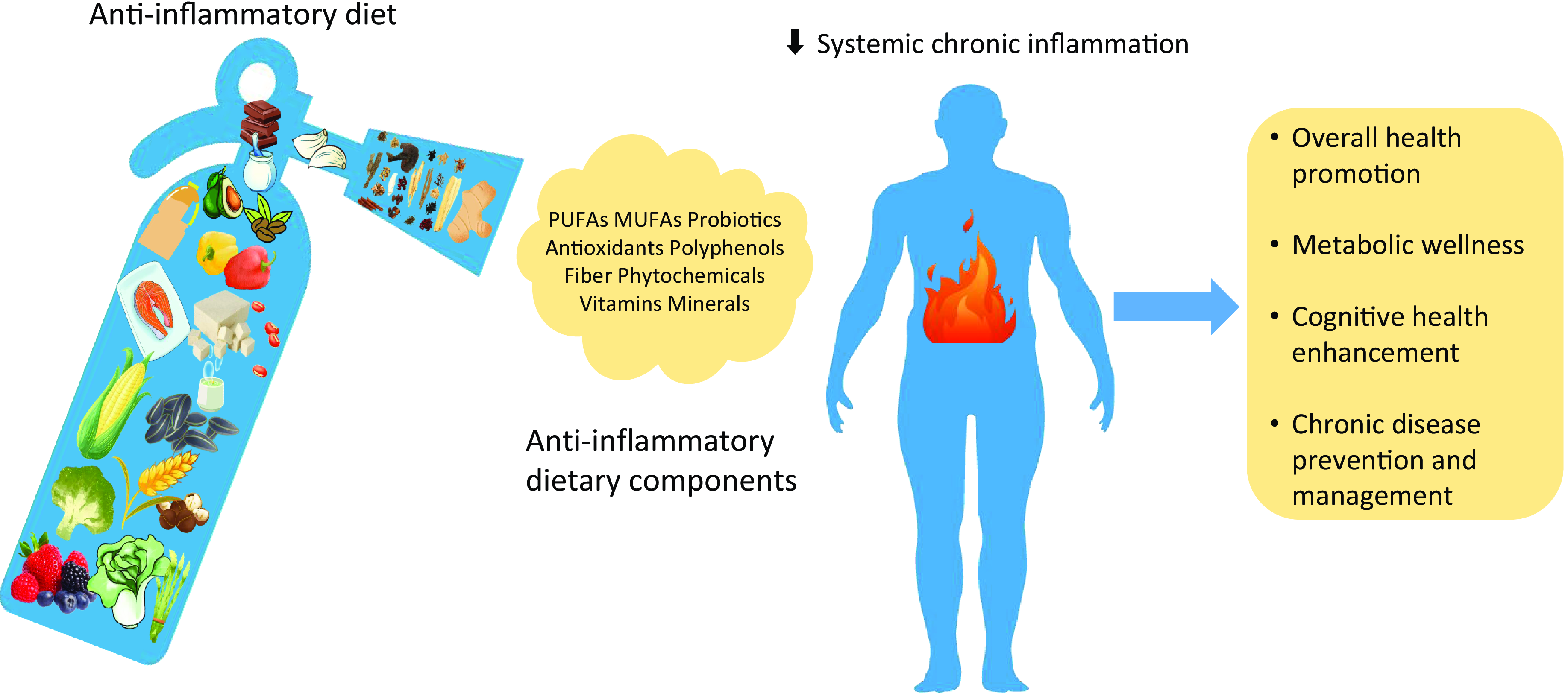
An anti-inflammatory diet emphasizes a wide variety of foods that are naturally rich in antioxidants, healthy fats, fiber, and various phytonutrients – plant-based compounds with beneficial effects on health. Here are some of the cornerstones of this dietary approach:
Fruits and Vegetables: Nature’s Inflammation Fighters
These vibrant foods are packed with antioxidants, vitamins, and minerals that help protect cells from damage caused by free radicals, unstable molecules that contribute to inflammation. Aim for a colorful array, including:
Berries: Tiny Powerhouses of Antioxidants
Blueberries, strawberries, raspberries, and blackberries are particularly rich in anthocyanins, potent antioxidants with strong anti-inflammatory effects.
Leafy Greens: Nutrient-Dense and Anti-Inflammatory
Spinach, kale, collard greens, and other leafy greens are excellent sources of vitamins, minerals, and antioxidants.
Orange and Yellow Produce: Rich in Carotenoids
Carrots, sweet potatoes, pumpkins, and bell peppers contain carotenoids, another class of antioxidants with anti-inflammatory properties.
Whole Grains: Fiber and Beyond
Opt for intact whole grains like oats, brown rice, quinoa, and whole wheat bread over refined grains. Whole grains are rich in fiber, which can help regulate blood sugar and promote a healthy gut microbiome, both important factors in managing inflammation.
Healthy Fats: Omega-3s to the Rescue
Certain types of fats, particularly omega-3 fatty acids found in fatty fish, flaxseeds, and walnuts, have significant anti-inflammatory effects.
Fatty Fish: A Prime Source of Omega-3s
Salmon, mackerel, sardines, and tuna are rich in EPA and DHA, two types of omega-3 fatty acids that have been shown to reduce inflammation.
Nuts and Seeds: Packed with Healthy Fats and Antioxidants
Walnuts, almonds, chia seeds, and flaxseeds provide omega-3s, healthy monounsaturated fats, and antioxidants.
Olive Oil: Liquid Gold for Inflammation
Extra virgin olive oil is rich in oleocanthal, a compound with similar anti-inflammatory effects to ibuprofen.
Legumes: Fiber and Plant-Based Protein
Beans, lentils, chickpeas, and other legumes are excellent sources of fiber and plant-based protein, both of which can contribute to reducing inflammation.
Herbs and Spices: Flavor with Benefits
Many herbs and spices possess potent anti-inflammatory properties:
Turmeric: The Golden Spice
Contains curcumin, a powerful anti-inflammatory compound.
Ginger: Soothing and Anti-Inflammatory
Known for its ability to reduce inflammation and pain.
Garlic and Onions: Flavorful Inflammation Fighters
Contain compounds that can help modulate the immune response.
Foods to Minimize or Avoid: Fueling the Fire
Just as some foods help to dampen inflammation, others can promote it. To follow an anti-inflammatory diet effectively, it’s important to limit or avoid the following:
Processed Foods: Often High in Unhealthy Fats and Additives
These foods can contribute to inflammation and should be minimized.
Sugary Foods and Drinks: A Major Driver of Inflammation
Excessive sugar intake can trigger the release of inflammatory cytokines.
Refined Carbohydrates: Lacking in Fiber and Nutrients
White bread, pasta, and pastries can contribute to blood sugar spikes and inflammation.
Unhealthy Fats: Saturated and Trans Fats
Found in red and processed meats, fried foods, and some baked goods, these fats can promote inflammation.
The Anti-Inflammatory Diet in Action: Preventing Disease
By consistently incorporating anti-inflammatory foods and minimizing pro-inflammatory ones, you can significantly impact your risk of developing various chronic diseases:
Cardiovascular Disease
Chronic inflammation plays a key role in the development of atherosclerosis, the buildup of plaque in the arteries. An anti-inflammatory diet rich in omega-3 fatty acids, antioxidants, and fiber can help protect against heart disease and stroke.
Type 2 Diabetes
Inflammation can contribute to insulin resistance, a hallmark of type 2 diabetes. A diet focused on whole foods, fiber, and healthy fats can help improve blood sugar control and reduce the risk of developing this condition.
Cancer
Chronic inflammation is implicated in various stages of cancer development. The antioxidants and phytonutrients abundant in an anti-inflammatory diet may help protect against cellular damage and reduce cancer risk.
Neurodegenerative Diseases
Conditions like Alzheimer’s disease are increasingly linked to chronic inflammation in the brain. The antioxidants and omega-3 fatty acids in an anti-inflammatory diet may have neuroprotective effects.
Autoimmune Disorders
While not a cure, an anti-inflammatory diet can be a helpful tool in managing symptoms of autoimmune diseases like rheumatoid arthritis by potentially reducing the overall inflammatory burden on the body.
Getting Started with an Anti-Inflammatory Diet
Transitioning to an anti-inflammatory way of eating doesn’t require drastic overnight changes. Start by making small, sustainable swaps:
Load up on fruits and vegetables at every meal and snack.
Conclusion: Nourishing Your Body for Long-Term Health
The anti-inflammatory diet is more than just a dietary trend; it’s a powerful approach to nourishing your body in a way that can help prevent chronic diseases and promote long-term health and well-being. By embracing whole, nutrient-rich foods and limiting those that fuel inflammation, you can take an active role in protecting your health from the inside out. This isn’t about deprivation; it’s about abundance – filling your plate with delicious, vibrant foods that support your body’s natural ability to thrive.
:max_bytes(150000):strip_icc()/EW-Meal-Plans-Healthy-Weight-Gain-Day-4-1x1-alt-81577102cff74485ac146541976d8b22.jpg?resize=200,135&ssl=1 "Fueling Up: High-Protein Meals For Healthy Weight Gain")


