
In a world increasingly exposed to environmental toxins, processed foods, and lifestyle stressors, the liver stands as a crucial organ in maintaining our health. Often described as the body’s primary detoxification powerhouse, its efficient functioning is paramount for overall well-being. This extensive article will delve into the intricate relationship between nutrition and liver detoxification, exploring how specific dietary choices can support, optimize, and even rejuvenate this vital organ. We will examine the various phases of liver detoxification and the key nutrients required for each, offering a comprehensive guide to nourishing your liver for optimal health.
The Liver: An Unsung Hero
Weighing in at around 1.5 kilograms, the liver is the largest internal organ, located in the upper right quadrant of the abdomen. Its responsibilities are vast and diverse, encompassing over 500 vital functions. Beyond its renowned role in detoxification, the liver is central to metabolism (processing carbohydrates, fats, and proteins), bile production (aiding in fat digestion), vitamin and mineral storage, hormone regulation, and immune function. Given its heavy workload, providing the liver with the right nutritional support is not merely beneficial but essential.
Understanding Liver Detoxification: Phase I and Phase II
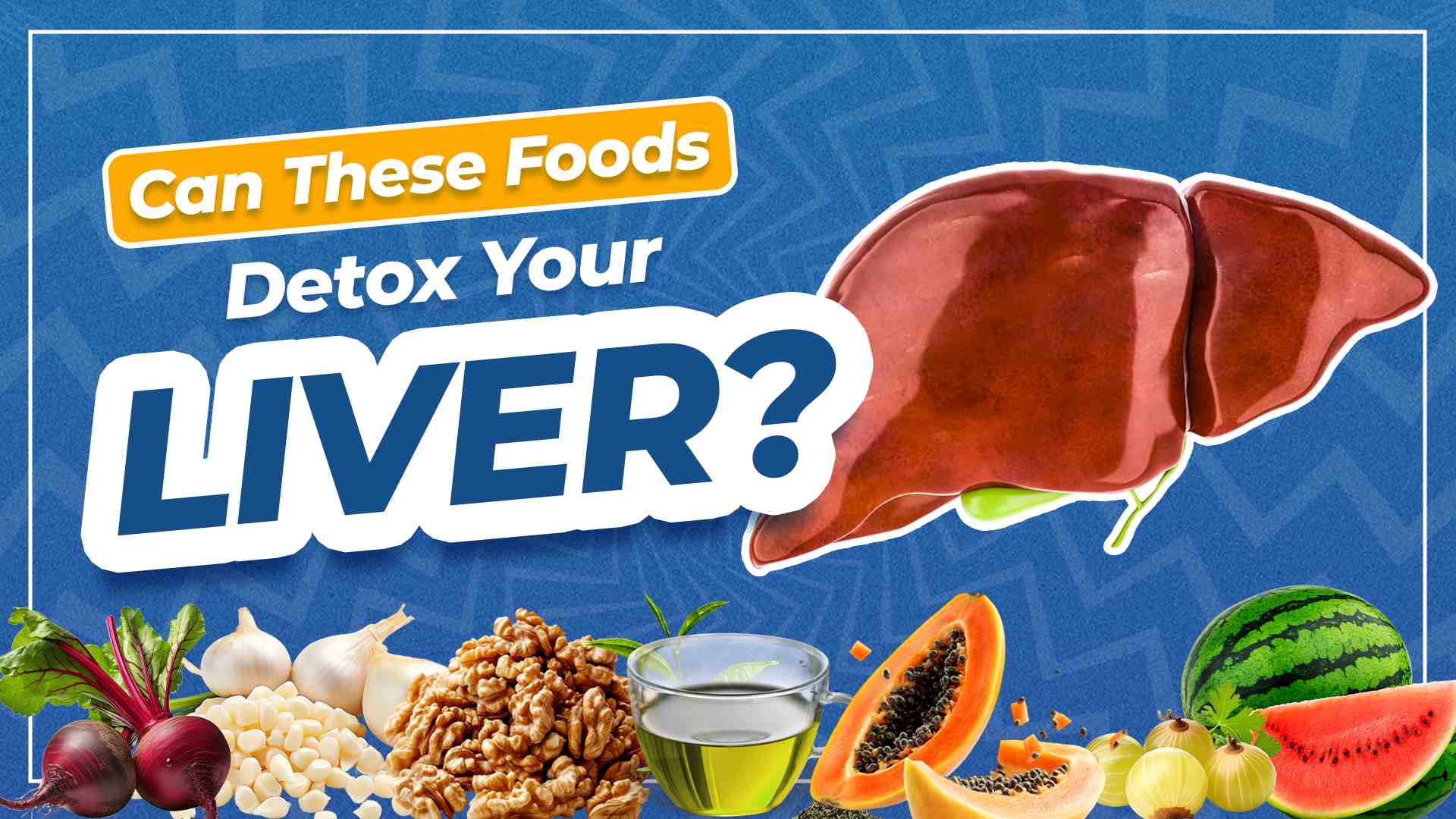
Liver detoxification is a complex, multi-step process that transforms harmful substances into less toxic, water-soluble compounds that can be safely excreted from the body. This process is broadly divided into two main phases: Phase I (functionalization) and Phase II (conjugation).
Phase I: The Preparation Stage
Phase I detoxification involves a group of enzymes, primarily the cytochrome P450 (CYP450) enzyme system, which acts like a molecular “shredder.” These enzymes chemically modify toxins, breaking them down into smaller, often more reactive intermediate metabolites. This process typically involves oxidation, reduction, and hydrolysis reactions. While these intermediates are often more water-soluble, they can also be more reactive and potentially damaging if not quickly processed by Phase II.
Phase II: The Conjugation and Elimination Stage

Phase II detoxification is where these reactive intermediates are “conjugated” or linked with other molecules, such as amino acids, glutathione, sulfates, and glucuronic acid. This conjugation process effectively neutralizes the toxins, making them even more water-soluble and ready for excretion via bile (into the feces) or urine. Think of Phase II as the “packaging and shipping” stage, ensuring toxins are safely escorted out of the body.
The Nutritional Pillars of Liver Detoxification
Optimizing liver detoxification requires a consistent supply of specific macro and micronutrients. A deficiency in any of these critical components can hinder the liver’s ability to efficiently process and eliminate toxins, leading to a build-up that can negatively impact health.
Macronutrients: Fueling the Detox Engine
While micronutrients often take center stage in discussions about detoxification, adequate macronutrient intake (proteins, fats, and carbohydrates) is fundamental.
High-Quality Protein for Amino Acid Supply
Protein is absolutely critical for liver detoxification, particularly for Phase II. Amino acids, the building blocks of protein, are essential for various conjugation pathways. For instance, glycine, taurine, glutamine, methionine, and cysteine are all vital for different detoxification reactions. Cysteine, in particular, is a precursor to glutathione, the body’s master antioxidant and a key player in Phase II.
Healthy Fats for Cell Membrane Integrity and Bile Flow
While often demonized, healthy fats are crucial for liver health. The liver itself contains significant amounts of fat, and its cell membranes require healthy lipids to function optimally. Furthermore, fats stimulate the release of bile, which is essential for carrying fat-soluble toxins out of the body.
Complex Carbohydrates for Energy and Fiber
Carbohydrates provide the necessary glucose for energy, which fuels the liver’s metabolic processes, including detoxification. Complex carbohydrates, rich in fiber, also play a vital role in supporting gut health. A healthy gut microbiome is intimately linked to liver health, as imbalances can lead to increased toxin absorption and place a greater burden on the liver. Fiber also aids in the elimination of toxins by adding bulk to stool and promoting regular bowel movements.
Micronutrients: The Catalysts of Detoxification
Beyond macronutrients, a vast array of vitamins, minerals, and phytonutrients act as cofactors, enzymes, and antioxidants, directly facilitating the detoxification pathways.
B Vitamins: The Energy and Enzyme Activators
The B vitamins (B1, B2, B3, B5, B6, B9, B12) are indispensable for liver function. They act as cofactors for numerous enzymes involved in both Phase I and Phase II detoxification, support energy production within liver cells, and are crucial for methylation, a key detoxification pathway.
Vitamin C: The Antioxidant Powerhouse
Vitamin C is a potent antioxidant that helps protect liver cells from oxidative damage caused by reactive intermediates produced during Phase I. It also plays a role in the synthesis of glutathione and supports various enzymatic reactions.
Vitamin E: Another Fat-Soluble Protector
Similar to Vitamin C, Vitamin E is a powerful antioxidant that helps protect liver cells, particularly their lipid membranes, from oxidative stress. It works synergistically with other antioxidants to neutralize free radicals.
Selenium: A Trace Mineral with Major Impact
Selenium is an essential trace mineral that is a crucial component of glutathione peroxidase, an enzyme that plays a critical role in neutralizing harmful peroxides generated during detoxification. It also supports overall antioxidant defenses.
Zinc: Essential for Enzyme Activity
Zinc is a cofactor for hundreds of enzymes in the body, including many involved in liver detoxification. It is vital for maintaining the integrity of liver cells and supporting immune function.
Magnesium: The Multi-Tasking Mineral
Magnesium is involved in over 300 enzymatic reactions in the body, including those critical for detoxification. It supports glutathione production, energy metabolism, and muscle relaxation, all of which indirectly aid liver function.
Sulfur-Containing Compounds: Fueling Phase II
Sulfur is a critical component of several Phase II detoxification pathways, particularly sulfation. Many important compounds for detoxification, such as glutathione, contain sulfur.
Phytonutrients: Nature’s Detox Boosters
Beyond the essential vitamins and minerals, a vast array of plant compounds, known as phytonutrients, offer significant support for liver detoxification. These compounds often have antioxidant, anti-inflammatory, and direct enzyme-modulating effects.
Cruciferous Vegetables (Indole-3-Carbinol, Sulforaphane)
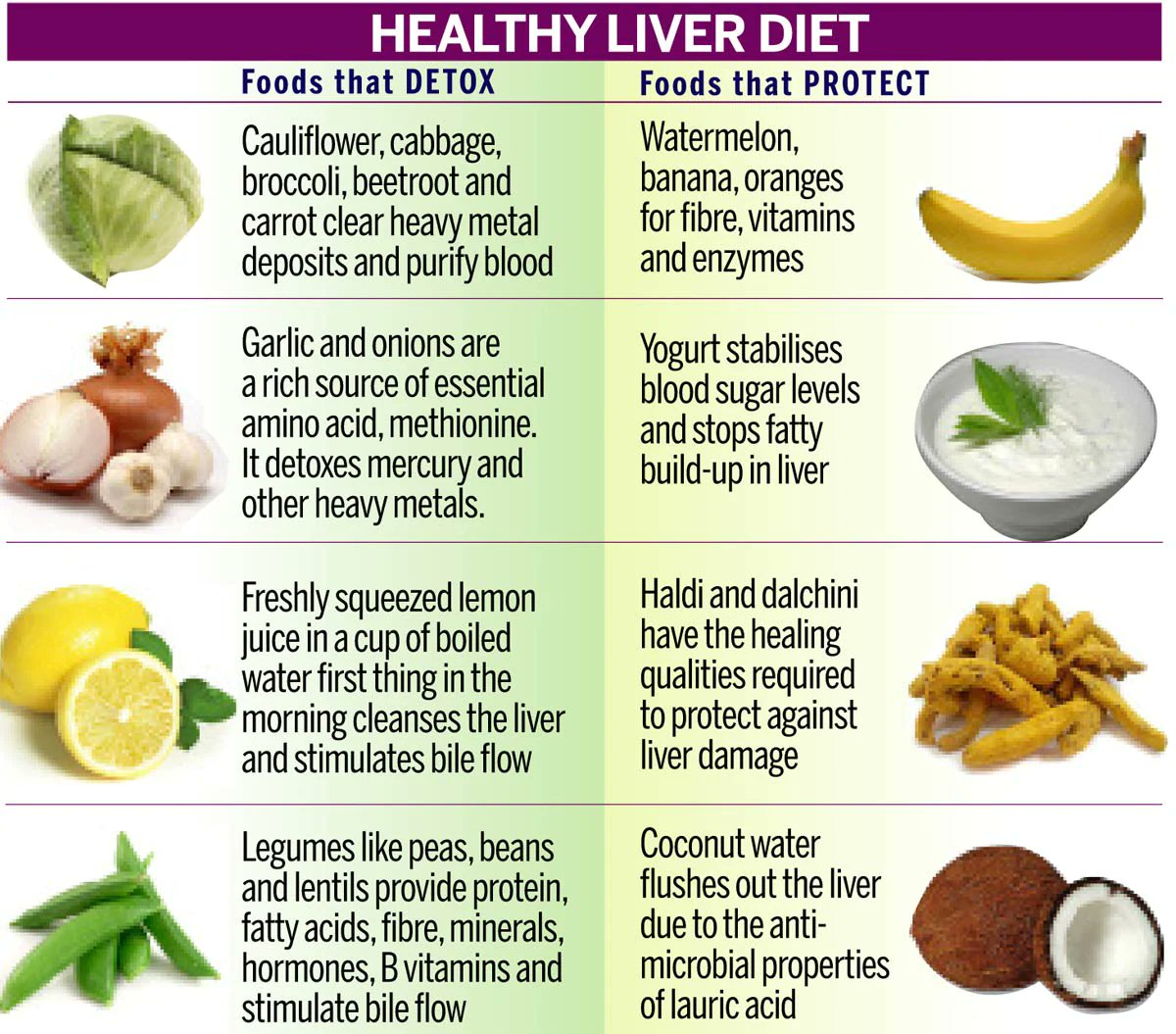
These vegetables are superstars for liver detoxification. They contain compounds like indole-3-carbinol (I3C) and sulforaphane, which powerfully upregulate Phase I and Phase II enzymes, particularly those involved in estrogen detoxification.
Allium Vegetables (Allicin, Quercetin)
Garlic and onions, members of the allium family, contain sulfur-containing compounds (like allicin in garlic) and flavonoids (like quercetin) that stimulate liver enzymes, enhance glutathione production, and have antioxidant properties.
Green Tea (Catechins)
Green tea is rich in catechins, particularly epigallocatechin gallate (EGCG), which has potent antioxidant and anti-inflammatory effects. EGCG can also modulate Phase I and Phase II enzymes.
Turmeric (Curcumin)
Curcumin, the active compound in turmeric, is a powerful anti-inflammatory and antioxidant. It can stimulate bile production and enhance the activity of various detoxification enzymes, including glutathione S-transferases.
Artichoke and Dandelion (Bitter Compounds)
These herbs are renowned for their liver-supportive properties. They contain bitter compounds that stimulate bile flow, aiding in the elimination of toxins and improving fat digestion.
Berries (Anthocyanins, Ellagic Acid)
Rich in antioxidants like anthocyanins and ellagic acid, berries help protect liver cells from damage and can support detoxification pathways.
Beets (Betalains)
Beets contain betalains, pigments that have antioxidant and anti-inflammatory properties. They also support bile flow and promote overall liver health.
Beyond Food: Lifestyle Factors for Liver Health
While nutrition is foundational, other lifestyle factors significantly impact liver detoxification and overall liver health.
Hydration: The Solvent for Excretion
Adequate water intake is crucial for flushing out toxins. Water is the primary solvent for transporting nutrients to liver cells and carrying away waste products for elimination through urine and feces. Aim for at least 8 glasses of filtered water daily.
Stress Management: Reducing the Burden
Chronic stress can negatively impact liver function. When the body is under stress, it prioritizes immediate survival mechanisms, diverting resources away from detoxification. Stress also increases the production of cortisol, which the liver must then process. Practices like meditation, yoga, deep breathing exercises, and spending time in nature can help mitigate stress.
Regular Exercise: Promoting Circulation and Elimination
Physical activity improves circulation, which helps deliver nutrients to the liver and transport toxins away. Exercise also promotes sweating, an additional route for toxin elimination, and supports regular bowel movements, crucial for removing waste.
Avoiding Toxins: Lessening the Load
The most effective way to support liver detoxification is to minimize the intake of toxins in the first place. This includes:
Processed Foods: High in unhealthy fats, sugars, and artificial additives that burden the liver.
Adequate Sleep: Liver Regeneration
During sleep, the body undergoes repair and regeneration processes, including in the liver. Chronic sleep deprivation can impair liver function and its ability to detoxify efficiently. Aim for 7-9 hours of quality sleep per night.
Creating a Liver-Supportive Diet: Practical Strategies
Implementing a liver-supportive diet doesn’t have to be complicated. Focus on whole, unprocessed foods and prioritize variety.
Start the Day Right: Begin with a glass of warm lemon water to stimulate bile flow. Follow with a nutrient-dense breakfast like a smoothie with berries, leafy greens, protein powder, and flax seeds, or scrambled eggs with turmeric and sautéed spinach.
When to Seek Professional Guidance
While dietary and lifestyle changes can significantly support liver health, it’s crucial to understand that severe liver conditions require medical attention. If you experience symptoms such as persistent fatigue, unexplained weight loss, jaundice (yellowing of skin or eyes), dark urine, pale stools, or abdominal pain, consult a healthcare professional immediately. Nutritional strategies should complement, not replace, medical treatment for existing liver diseases.
Conclusion
The liver is an extraordinary organ, diligently working behind the scenes to keep us healthy in a challenging environment. By understanding its intricate detoxification processes and providing it with the precise nutritional building blocks and supportive lifestyle, we empower our liver to perform its vital functions optimally. A diet rich in whole, unprocessed foods, abundant in fruits, vegetables, lean proteins, and healthy fats, coupled with adequate hydration, stress management, and regular physical activity, forms the cornerstone of comprehensive liver support. Nurturing your liver through conscious dietary and lifestyle choices is not just about detoxification; it’s an investment in long-term health, vitality, and well-being.
:max_bytes(150000):strip_icc()/EW-Meal-Plans-Healthy-Weight-Gain-Day-4-1x1-alt-81577102cff74485ac146541976d8b22.jpg?resize=200,135&ssl=1 "Fueling Up: High-Protein Meals For Healthy Weight Gain")


