
# The Ultimate Guide to Plant-Based Meal Planning
Embarking on a plant-based journey is a fantastic way to boost your health, reduce your environmental footprint, and explore a vibrant world of culinary possibilities. However, for many, the sheer thought of transitioning can be daunting. How do you ensure you’re getting all the necessary nutrients? How do you avoid repetitive meals? The answer lies in effective plant-based meal planning. This comprehensive guide will equip you with the knowledge and tools to confidently plan delicious, nutritious, and diverse plant-based meals, transforming your relationship with food and setting you up for sustainable success.
Why Embrace Plant-Based Eating?
The benefits of a plant-based diet extend far beyond simply cutting out meat. Research consistently highlights the positive impacts on various aspects of health and the environment.
Health Benefits
A well-planned plant-based diet is often associated with a lower risk of chronic diseases. Studies have shown its effectiveness in managing and preventing conditions such as:
Heart Disease: Plant-based diets are typically lower in saturated fat and cholesterol, helping to improve blood pressure and cholesterol levels.
Beyond disease prevention, many individuals report increased energy levels, improved digestion, and clearer skin when adopting a plant-based lifestyle.
Environmental Impact
Our food choices have a significant impact on the planet. Shifting towards a more plant-based diet is a powerful step towards sustainability.
Reduced Greenhouse Gas Emissions: Livestock farming is a major contributor to greenhouse gas emissions, including methane and nitrous oxide. Choosing plant-based alternatives significantly reduces your carbon footprint.
By choosing plant-based meals, you’re not just nourishing your body; you’re also making a conscious choice to support a healthier planet.
Laying the Foundation: Essential Plant-Based Nutrients
One of the most common concerns about plant-based eating is nutrient deficiency. However, with thoughtful planning, a plant-based diet can provide all the nutrients your body needs to thrive. It’s about knowing where to find them and ensuring variety.
Protein Powerhouses
Protein is crucial for building and repairing tissues, producing enzymes, and supporting overall bodily functions. Fortunately, the plant kingdom offers an abundance of protein-rich foods.
Legumes: Lentils, chickpeas, black beans, kidney beans, cannellini beans, and edamame are excellent sources of protein and fiber.
Aim to include a variety of these protein sources throughout your day to ensure a balanced amino acid intake.
Iron Fortification
Iron is essential for oxygen transport in the blood and energy production. Plant-based iron is non-heme iron, which is absorbed differently than heme iron found in animal products.
Legumes: Lentils, chickpeas, and beans are rich in iron.
Calcium for Strong Bones
Calcium is vital for bone health, nerve function, and muscle contraction.
Fortified Plant Milks: Almond milk, soy milk, oat milk, and rice milk are often fortified with calcium.
Omega-3 Fatty Acids
Omega-3s are crucial for brain health, heart health, and reducing inflammation. While fatty fish are a common source, plants offer excellent alternatives.
Flaxseeds (ground): The richest plant source of ALA (alpha-linolenic acid), a type of omega-3.
Include a daily dose of ground flaxseeds or chia seeds in your smoothies, oatmeal, or salads.
Vitamin B12: The Only Non-Negotiable Supplement
Vitamin B12 is unique in that it is primarily found in animal products and is not reliably present in unfortified plant foods. It is essential for nerve function and red blood cell formation.
Fortified Foods: Many plant milks, cereals, and nutritional yeast are fortified with B12.
Neglecting B12 can lead to serious neurological issues, so this is one nutrient where careful attention is paramount.
Iodine
Iodine is vital for thyroid function.
Iodized Salt: The most common source of iodine.
Zinc
Zinc plays a role in immune function, wound healing, and DNA synthesis.
Legumes: Lentils, chickpeas, and beans.
By focusing on variety and including a wide range of these nutrient-dense plant foods, you can confidently meet all your nutritional needs on a plant-based diet.
The Art of Meal Planning: Step-by-Step
Meal planning doesn’t have to be rigid or complicated. It’s about bringing structure and intention to your eating habits, saving you time, money, and stress.
Step 1: Assess Your Current Eating Habits and Preferences
Before diving into recipes, take stock of what you already enjoy and what works for your lifestyle.
What meals do you currently eat regularly? Can any of them be easily “plant-based-ified”? (e.g., chili, pasta dishes).
Understanding these factors will make your meal planning process more tailored and sustainable.
Step 2: Choose Your Planning Method
There are many ways to approach meal planning. Find what resonates with you.
Weekly Planning: Most common and effective. Plan 3-7 days at a time.
Step 3: Gather Recipes and Inspiration
This is the fun part! Explore the vast world of plant-based recipes.
Cookbooks: Invest in a few reputable plant-based cookbooks.
Step 4: Build Your Weekly Meal Plan
Now, put it all together!
1. Start with Breakfasts: Simple and often repetitive (oatmeal, smoothies, toast with avocado, tofu scramble).
2. Plan Lunches: Leftovers from dinner are excellent for lunch. Otherwise, consider salads, wraps, or quick grain bowls.
3. Map Out Dinners: This is usually the most varied meal. Aim for a balance of protein, complex carbohydrates, and plenty of vegetables.
4. Incorporate Snacks: Keep healthy snacks on hand (fruit, nuts, seeds, vegetable sticks with hummus).
5. Ensure Nutritional Balance: As you plan, mentally (or physically) check off your nutrient groups: protein sources, iron-rich foods, calcium sources, omega-3s. Vary your vegetables and fruits for a wide range of vitamins and minerals.
6. Consider Variety: Don’t eat the same thing every day unless you genuinely enjoy it. Mix up cuisines, textures, and flavors.
7. Account for Leftovers: Plan to make larger portions of certain dinners to have for lunch the next day, saving time and effort.
8. Flexibility is Key: Life happens! Don’t stress if you deviate from your plan. It’s a guide, not a rigid rulebook.
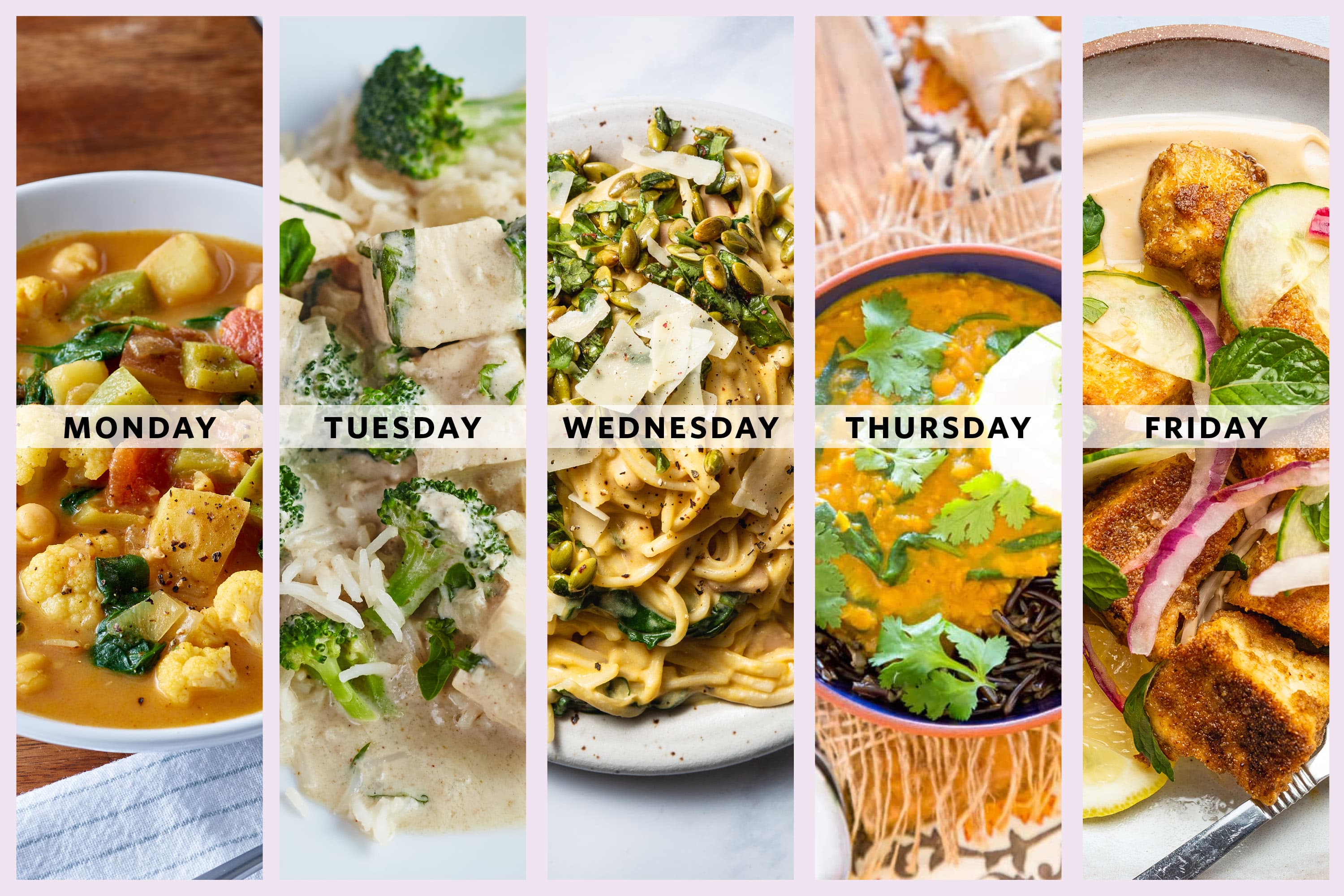
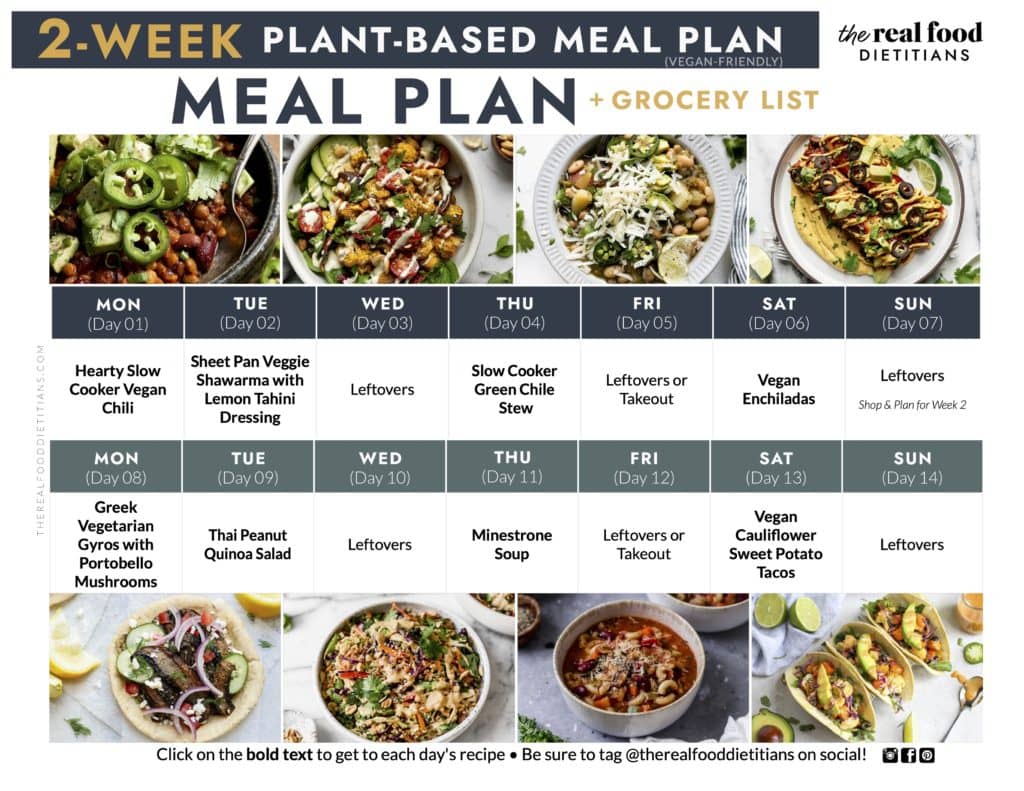
Monday Dinner: Lentil Shepherd’s Pie (batch cook lentils for Wednesday’s tacos)
Step 5: Create Your Shopping List
This is where planning saves you money and reduces waste.
1. Go through your meal plan recipe by recipe.
2. List all necessary ingredients.
3. Check your pantry, fridge, and freezer to see what you already have.
4. Cross off items you don’t need.
5. Organize your list by supermarket sections (produce, pantry, frozen, bulk) for efficiency.
Step 6: Prepare and Cook
This is the execution phase.
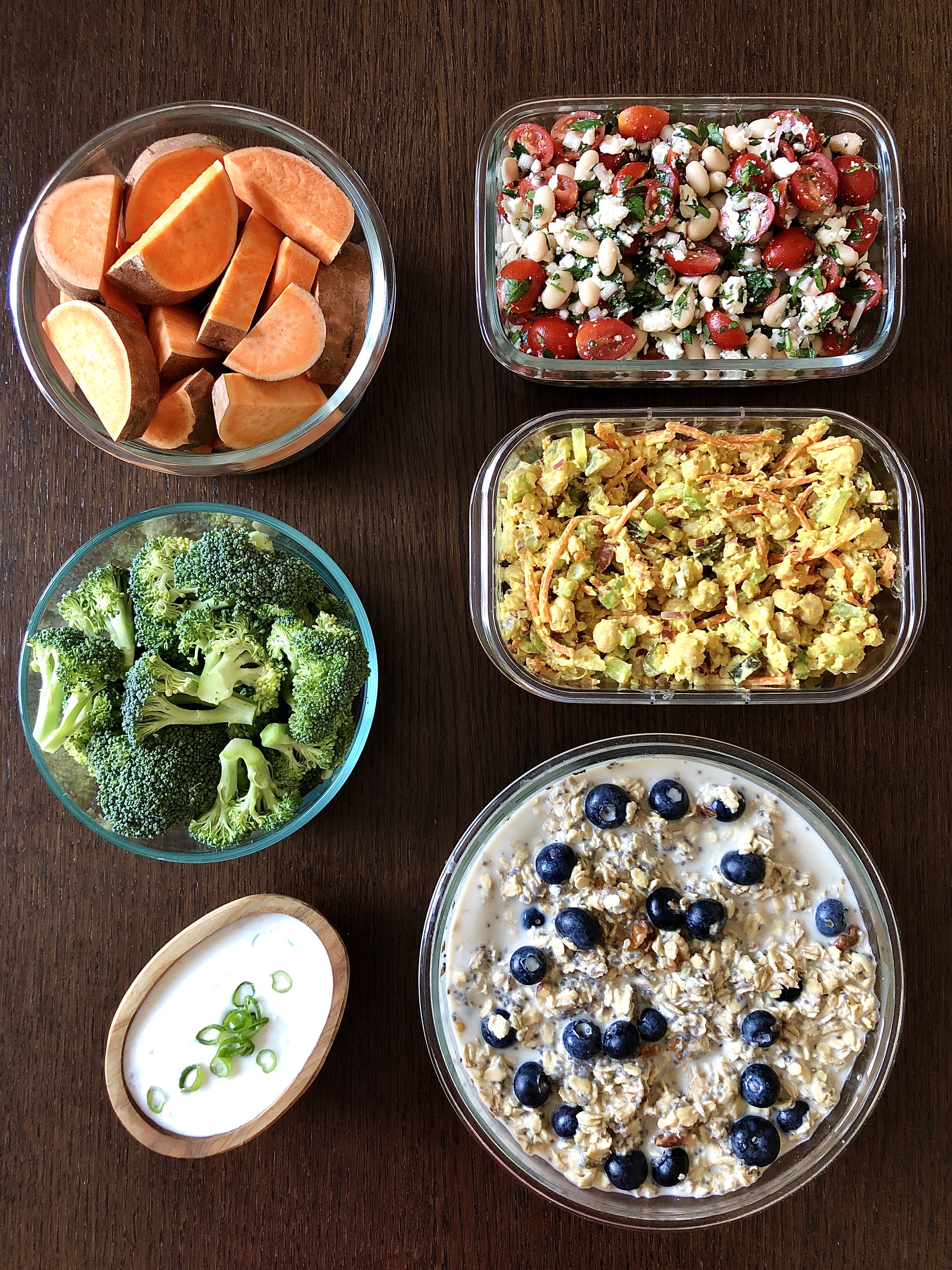
Pre-prep Day (e.g., Sunday): Dedicate an hour or two to tasks like:
Essential Plant-Based Pantry Staples
A well-stocked pantry is your secret weapon for efficient plant-based cooking. These are the items you’ll want to keep on hand.
Grains and Legumes
These form the backbone of many plant-based meals.
Dry or Canned Beans/Lentils: Black beans, kidney beans, chickpeas, green/red/brown lentils.
Nuts and Seeds
Packed with healthy fats, protein, and minerals.
Almonds, Walnuts, Cashews: For snacking, salads, and sauces.
Fruits and Vegetables (Fresh, Frozen, Canned)
Prioritize seasonal produce, but always have backup.
Fresh Produce: A variety of fruits and vegetables you enjoy and can easily incorporate.
Plant-Based Proteins and Alternatives
Beyond basic legumes.
Tofu (Firm/Extra-Firm): Versatile for scrambles, stir-fries, baking.
Oils, Vinegars, and Condiments
Flavor enhancers and cooking essentials.
Olive Oil/Avocado Oil: For cooking and dressings.
Spices and Herbs
The magic makers that transform dishes.
Salt, Black Pepper: Essentials.
Building up these staples gradually will make plant-based cooking much more accessible and enjoyable.
Strategies for Success and Common Challenges
Even with a solid plan, challenges can arise. Here are strategies to overcome them and ensure long-term success.
Batch Cooking and Food Prep
This is arguably the most impactful strategy for plant-based meal planning.
Cook Grains in Advance: A large batch of quinoa or brown rice lasts for days and can be used in bowls, salads, or as a side.
Embrace Leftovers
Leftovers are not just for lunch! Plan for larger dinner portions so you have ready-made meals for busy weeknights or quick lunches. Repurpose leftovers into new dishes (e.g., leftover roasted veggies in a wrap, leftover chili in a baked potato).
Make it a Family Affair
Get your family involved in the meal planning and cooking process. Kids are often more willing to try new foods if they’ve helped prepare them. Assign age-appropriate tasks like washing vegetables, setting the table, or stirring ingredients.
Be Flexible and Forgiving
Life is unpredictable. There will be days when your meticulously planned meal goes out the window. Don’t let it derail your entire effort. Have a few “emergency” meals in your back pocket (e.g., canned soup, frozen veggie burgers, quick pasta dish) for those times. The goal is progress, not perfection.
Overcoming Cravings
When transitioning, you might experience cravings for familiar non-plant-based foods.
Identify the Craving: Is it a specific flavor, texture, or just the idea of something comforting?
Dining Out and Social Situations
Navigating plant-based eating outside the home can be tricky, but it’s getting easier.
Research Ahead: Look at restaurant menus online before you go. Call ahead if you have questions.
Dealing with Skepticism from Others
You might encounter questions or skepticism from friends and family.
Lead by Example: Show them how delicious and easy plant-based eating can be. Share your amazing meals.
Staying Motivated
Consistency is key, but motivation can wane.
Track Your Progress: Notice the positive changes in your energy, digestion, or mood.
Beyond the Basics: Advanced Tips and Tricks
Once you’ve mastered the fundamentals of plant-based meal planning, consider these advanced tips to elevate your culinary game.
Mastering Flavor Profiles
Plant-based cooking is all about layering flavors.
Umami: Incorporate ingredients rich in umami (savory depth) like mushrooms (especially dried), nutritional yeast, sun-dried tomatoes, miso paste, tamari/soy sauce, and fermented foods like kimchi or sauerkraut.
Creative Ingredient Swaps
Learn to substitute plant-based ingredients for traditional animal products.
Eggs: For baking, use flax “eggs” (1 tbsp ground flaxseed + 3 tbsp water), chia “eggs,” applesauce, or mashed banana. For scrambles, use crumbled tofu or chickpea flour.
Minimizing Food Waste
Meal planning naturally helps reduce waste, but here are extra tips.
”Eat Me First” Box: Designate a spot in your fridge for ingredients that need to be used up soon.
Healthy Snacking Strategies
Planned snacks prevent overeating and provide sustained energy.
Whole Fruits: Apples, bananas, berries.
Hydration: Don’t Forget Water
Often overlooked, adequate hydration is crucial for overall health and can impact energy levels and feelings of hunger. Keep a water bottle handy and aim for at least 2-3 liters of water per day. Herbal teas are also a great option.
Conclusion: Your Journey to Plant-Based Harmony
Adopting a plant-based diet is a transformative journey, and effective meal planning is your compass. It demystifies plant-based eating, ensures nutritional adequacy, fosters culinary creativity, and streamlines your daily routine. By understanding the foundational nutrients, embracing practical planning steps, stocking your pantry strategically, and navigating common challenges with grace, you are well on your way to a vibrant, sustainable, and delicious plant-based lifestyle.
Remember, this isn’t about perfection; it’s about progress. Start small, build confidence, and enjoy the incredible flavors and health benefits that a plant-based diet has to offer. Happy planning and happy eating!
:max_bytes(150000):strip_icc()/EW-Meal-Plans-Healthy-Weight-Gain-Day-4-1x1-alt-81577102cff74485ac146541976d8b22.jpg?resize=200,135&ssl=1 "Fueling Up: High-Protein Meals For Healthy Weight Gain")


