
The Vegan Plate: Thriving on a Plant-Based Diet
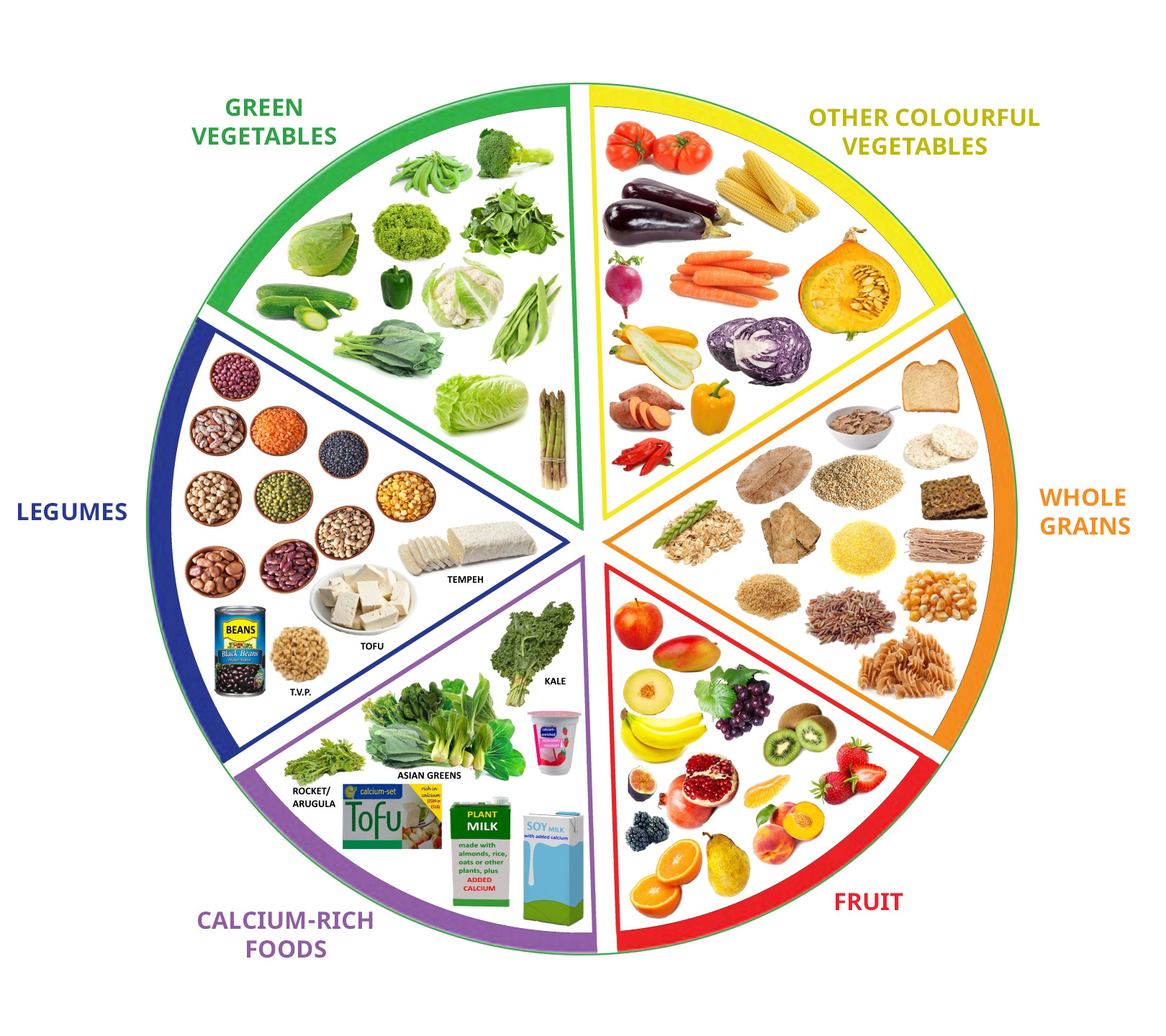
In an increasingly health-conscious and ethically driven world, veganism has transitioned from a niche dietary choice to a mainstream movement. Millions across the globe are embracing a plant-based lifestyle, not only for its profound positive impact on animal welfare and the environment but also for its compelling health benefits. However, a common misconception persists: that vegan diets are inherently deficient or difficult to navigate nutritionally. This comprehensive guide, spanning approximately 3000 words, aims to dispel those myths, offering a detailed roadmap to optimal nutrition for vegans, ensuring a vibrant, healthy, and thriving plant-powered life.
The Foundation: Understanding Macronutrients
At the heart of any healthy diet, vegan or otherwise, lies a balanced intake of macronutrients: carbohydrates, proteins, and fats. For vegans, understanding how to source these from plant-based foods is paramount.

# Carbohydrates: The Fuel for Life
Carbohydrates are the body’s primary energy source, essential for brain function, physical activity, and nearly every bodily process. Far from being “bad,” complex carbohydrates are rich in fiber, vitamins, and minerals, playing a crucial role in digestive health and satiety.
Whole Grains: The Unsung Heroes
Whole grains like oats, brown rice, quinoa, barley, and whole wheat are powerhouses of complex carbohydrates. They provide sustained energy release, preventing the blood sugar spikes associated with refined grains. Quinoa, in particular, is a complete protein source, making it a double threat for vegans.
Legumes: More Than Just Protein
While often highlighted for their protein content, legumes such as lentils, chickpeas, black beans, kidney beans, and pinto beans are also excellent sources of complex carbohydrates and dietary fiber. Their slow digestion contributes to feelings of fullness and stable blood sugar.

Fruits and Vegetables: Nature’s Candy
Fruits and vegetables are replete with carbohydrates, alongside a treasure trove of vitamins, minerals, and antioxidants. While fruits contain natural sugars, their fiber content helps regulate absorption. Aim for a wide variety of colors to maximize nutrient intake.
# Protein: Building Blocks for a Strong Body
One of the most frequently asked questions for vegans is, “Where do you get your protein?” The truth is, protein is abundant in the plant kingdom, and with a varied diet, meeting protein requirements is easily achievable.
Legumes and Lentils: The Vegan Protein Champions
As mentioned, legumes are exceptional protein sources. A single cup of cooked lentils provides around 18 grams of protein, comparable to a serving of meat. Chickpeas, black beans, and edamame are similarly rich.
Tofu and Tempeh: Versatile Soy Powerhouses
Tofu and tempeh, both derived from soybeans, are complete protein sources, meaning they contain all nine essential amino acids. Tofu is incredibly versatile, absorbing flavors, while tempeh offers a firmer texture and nutty taste.
Seitan: The Gluten-Based Alternative
Made from wheat gluten, seitan is a chewy, high-protein meat substitute. It’s an excellent option for those looking for a “meaty” texture and is particularly high in protein, often boasting over 20 grams per serving.
Nuts and Seeds: Small but Mighty
Almonds, walnuts, cashews, peanuts, and pistachios are not only delicious but also provide a good dose of protein and healthy fats. Seeds like chia, flax, and hemp are particularly noteworthy, offering complete protein and omega-3 fatty acids.
Whole Grains: Surprising Protein Contributions
While not their primary role, whole grains like quinoa, oats, and even whole wheat bread contribute significantly to daily protein intake when consumed regularly.
# Fats: Essential for Health
Dietary fats are crucial for hormone production, nutrient absorption, cell growth, and providing a concentrated source of energy. The key is to focus on healthy, unsaturated fats.
Avocados: The Creamy Superfood
Avocados are rich in monounsaturated fats, which are beneficial for heart health. They also provide fiber, potassium, and various vitamins.
Nuts and Seeds: Beyond Protein
Nuts and seeds are excellent sources of healthy fats, including monounsaturated and polyunsaturated fats. Walnuts, chia seeds, and flax seeds are particularly high in omega-3 fatty acids.
Olive Oil: A Mediterranean Staple
Extra virgin olive oil is a cornerstone of the Mediterranean diet, known for its heart-healthy monounsaturated fats and antioxidants. Use it for cooking, dressings, and dips.
Coconut Products: A Source of Saturated Fat with Benefits
While coconut oil is high in saturated fat, it’s primarily composed of medium-chain triglycerides (MCTs), which are metabolized differently and may offer some health benefits. Use in moderation.
Micronutrients: The Crucial Details for Vegans
While macronutrients form the bulk of our diet, micronutrients – vitamins and minerals – are equally vital for optimal health. Certain micronutrients require particular attention on a vegan diet.
# Vitamin B12: The Non-Negotiable Supplement
Vitamin B12 is arguably the most crucial nutrient for vegans to monitor, as it is primarily found in animal products. B12 is essential for nerve function, red blood cell formation, and DNA synthesis.
Fortified Foods: A Daily Boost
Many plant-based milks, cereals, and nutritional yeasts are fortified with B12. Including these in your daily diet can help meet some of your needs.
Supplementation: The Safest Bet
Regardless of fortified food intake, a reliable B12 supplement is highly recommended for all vegans. Consult with a healthcare professional to determine the appropriate dosage.
# Iron: Preventing Deficiency
Iron is essential for oxygen transport in the blood and energy production. While plant-based iron (non-heme iron) is less readily absorbed than heme iron from animal products, strategies exist to maximize its uptake.
Iron-Rich Plant Foods: Abundant Choices
Excellent plant-based iron sources include lentils, chickpeas, spinach, kale, fortified cereals, tofu, tempeh, blackstrap molasses, and pumpkin seeds.
Vitamin C: The Absorption Booster
Consuming iron-rich plant foods with sources of Vitamin C (e.g., citrus fruits, bell peppers, broccoli) significantly enhances non-heme iron absorption.
Cooking in Cast Iron: A Traditional Trick
Cooking in cast iron cookware can subtly increase the iron content of your food.
# Calcium: Bone Health Beyond Dairy
Calcium is vital for strong bones, teeth, and muscle function. While dairy is often touted as the primary source, many plant-based foods offer ample calcium.
Fortified Plant Milks and Yogurts: Easy Replacements
Many plant-based milks (almond, soy, oat) and yogurts are fortified with calcium, making them easy substitutes for dairy.
Dark Leafy Greens: Green Powerhouses
Kale, collard greens, and broccoli are excellent sources of bioavailable calcium. Spinach, while high in calcium, also contains oxalates that can inhibit absorption, so it’s best to rely on a variety of greens.
Tofu (Calcium-Set): A Solid Choice
Tofu that has been set with calcium sulfate is a fantastic source of calcium. Check the label to confirm.
Sesame Seeds and Tahini: Tiny but Mighty
Sesame seeds and tahini (sesame paste) are surprisingly rich in calcium.
# Vitamin D: The Sunshine Vitamin (and More)
Vitamin D is crucial for calcium absorption and bone health, as well as immune function. While sunlight is the primary source, dietary sources are also important, especially in regions with limited sun exposure.
Fortified Foods: A Convenient Option
Many plant-based milks and some orange juices are fortified with Vitamin D.
Mushrooms: A Natural Source
Some mushrooms, especially those exposed to UV light, contain Vitamin D2. Look for “UV-treated” mushrooms.
Supplementation: Often Necessary
In many climates, particularly during winter months, a Vitamin D supplement is often recommended for vegans and non-vegans alike.
# Omega-3 Fatty Acids: The Brain and Heart Boosters
Omega-3 fatty acids, particularly EPA and DHA, are crucial for brain health, heart health, and reducing inflammation. While plant-based foods provide ALA (alpha-linolenic acid), which can be converted to EPA and DHA, the conversion rate is often low.
Flaxseeds, Chia Seeds, and Hemp Seeds: ALA Superstars
These seeds are excellent sources of ALA. Grinding flaxseeds before consumption enhances absorption.
Walnuts: Another ALA Contributor
Walnuts provide a good amount of ALA, making them a healthy snack.
Algal Oil Supplements: Direct EPA and DHA
For direct sources of EPA and DHA, a vegan algal oil supplement is highly recommended. Algae are where fish get their omega-3s, making this a truly sustainable and direct plant-based source.
# Zinc: The Immune System Supporter
Zinc is vital for immune function, wound healing, and DNA synthesis.
Legumes: A Reliable Source
Chickpeas, lentils, and black beans are good sources of zinc.
Nuts and Seeds: Crunchy Zinc Providers
Pumpkin seeds, cashews, and almonds contribute to zinc intake.
Whole Grains: Unrefined Zinc
Oats, quinoa, and brown rice contain zinc.
# Iodine: Thyroid Health
Iodine is essential for thyroid hormone production, which regulates metabolism.
Iodized Salt: The Easiest Way
Using iodized salt in moderation is the simplest way to ensure adequate iodine intake.
Seaweed: A Potent Source (with Caution)
Seaweed can be a rich source of iodine, but levels can vary widely and be very high in some varieties, so consume in moderation.
Planning a Balanced Vegan Diet: Practical Tips
Moving beyond individual nutrients, let’s explore practical strategies for creating a balanced and enjoyable vegan diet.
# Embrace Variety: The Spice of Life (and Nutrition)
The cornerstone of a healthy vegan diet is variety. Eating a wide range of fruits, vegetables, grains, legumes, nuts, and seeds ensures you’re getting a broad spectrum of nutrients and prevents monotony.
# Mindful Meal Planning: Beyond Just Eating
Planning your meals can help ensure you’re hitting all your nutritional targets. Consider balancing your plate with a source of protein, complex carbohydrates, healthy fats, and plenty of fruits and vegetables at each meal.
# The Power of Whole Foods: Ditch the Processed
Prioritize whole, unprocessed foods over highly processed vegan alternatives. While convenient, many processed vegan foods can be high in sodium, unhealthy fats, and refined sugars. Focus on ingredients you recognize and can pronounce.
# Listen to Your Body: Hunger and Satiety Cues
Pay attention to your body’s hunger and fullness signals. Eat when you’re hungry and stop when you’re satisfied, not overly full. This promotes healthy digestion and weight management.
# Hydration is Key: Water, Water Everywhere
Don’t forget the importance of adequate hydration. Water is essential for every bodily function. Aim for at least 8 glasses of water daily, more if you’re active.
# Cooking at Home: Take Control of Your Nutrition
Cooking at home gives you complete control over ingredients and portion sizes. Experiment with new recipes, spices, and cooking methods to keep things exciting.
# Smart Snacking: Fueling Between Meals
Choose nutrient-dense snacks like fruits, vegetables with hummus, nuts, seeds, or whole-grain crackers. Avoid relying on sugary or highly processed snacks.
# Read Labels: Be an Informed Consumer
When buying packaged foods, take the time to read nutrition labels. Look for foods low in added sugars, unhealthy fats, and sodium, and rich in fiber and beneficial nutrients.
# Professional Guidance: When in Doubt
If you have specific health concerns, dietary restrictions, or are unsure about meeting your nutritional needs, consult with a registered dietitian or a healthcare professional experienced in plant-based nutrition. They can provide personalized advice and support.
Common Concerns and How to Address Them
Despite the wealth of nutritional options, some common concerns often arise for those considering or maintaining a vegan diet.
# Weight Management: Finding Your Balance
Vegan diets can be excellent for weight management due to their high fiber content and focus on whole foods. However, it’s still possible to overeat on calories from healthy fats (nuts, seeds, avocados) or processed vegan foods. Portion control and mindful eating remain key.
# Digestive Health: Adapting to Fiber
The increased fiber intake from a vegan diet can sometimes lead to initial digestive changes, such as bloating or gas. Gradually increasing fiber and staying well-hydrated can help your digestive system adjust. Probiotic-rich foods like kimchi, sauerkraut, and vegan yogurt can also support gut health.
# Eating Out: Navigating Restaurant Menus
Eating out as a vegan has become much easier with the growing popularity of plant-based options. Look for restaurants with clearly marked vegan dishes or ask about customization. Don’t hesitate to ask about ingredients and preparation methods.
# Social Situations: Communicating Your Choices
Navigating social gatherings where food is central can sometimes be a challenge. Communicate your dietary choices clearly and politely. Offer to bring a vegan dish to share, or eat before you go to ensure you have sufficient options. Most people are understanding and accommodating.
# Cost-Effectiveness: Dispelling the Myth
A common misconception is that veganism is expensive. In reality, staple vegan foods like lentils, beans, rice, and seasonal vegetables are often more affordable than meat and dairy. Planning meals and buying in bulk can significantly reduce costs.
The Long-Term Benefits of a Well-Planned Vegan Diet
Beyond the immediate nutritional considerations, a well-planned vegan diet offers a multitude of long-term health benefits, supported by extensive scientific research.
# Heart Health: A Powerful Protector
Vegan diets are consistently associated with lower risks of heart disease, lower blood pressure, and improved cholesterol levels. This is attributed to their low saturated fat and cholesterol content, and high fiber and antioxidant levels.
# Reduced Risk of Chronic Diseases: A Proactive Approach
Research suggests that vegans have a lower risk of developing type 2 diabetes, certain cancers (including colorectal, breast, and prostate cancer), and obesity. The abundance of phytonutrients and anti-inflammatory compounds in plant foods plays a significant role.
# Digestive Wellness: Happy Gut, Happy Life
The high fiber content of a vegan diet promotes regular bowel movements, supports a healthy gut microbiome, and can reduce the risk of digestive issues like diverticulitis and constipation.
# Sustainable Weight Management: A Natural Outcome
Many individuals find that transitioning to a whole-food vegan diet naturally leads to sustainable weight loss and maintenance without feeling deprived. The high fiber content promotes satiety, and plant foods are generally lower in calorie density.
# Increased Energy and Vitality: Fueling Your Best Self
With a steady supply of complex carbohydrates, essential vitamins, and minerals, many vegans report increased energy levels, improved mood, and a greater sense of overall vitality.
Conclusion: Thriving on Plants
Embracing a vegan diet is a powerful step towards a healthier, more compassionate, and sustainable lifestyle. By understanding the principles of plant-based nutrition, focusing on whole foods, and addressing key micronutrient considerations, anyone can thrive on a vegan diet. This comprehensive guide has provided a framework for optimal vegan nutrition, empowering you to confidently navigate your plant-powered journey. Remember, knowledge is your most potent tool. With careful planning, mindful eating, and a commitment to variety, the vegan plate offers not just sustenance, but a vibrant pathway to lasting health and well-being.
:max_bytes(150000):strip_icc()/EW-Meal-Plans-Healthy-Weight-Gain-Day-4-1x1-alt-81577102cff74485ac146541976d8b22.jpg?resize=200,135&ssl=1 "Fueling Up: High-Protein Meals For Healthy Weight Gain")


