
Vegan Sources of Protein: A Comprehensive Guide
For those embracing a vegan lifestyle, or simply looking to reduce their meat consumption, the question of protein often arises. While it’s a common misconception that protein is difficult to obtain on a plant-based diet, the reality is quite the opposite. The plant kingdom offers an abundance of protein-rich foods, providing all the essential amino acids necessary for optimal health. This comprehensive guide will explore various vegan protein sources, highlighting their nutritional benefits and offering practical ways to incorporate them into your diet.
The Importance of Protein
Protein is a crucial macronutrient, essential for virtually every bodily function. It’s involved in building and repairing tissues, producing enzymes and hormones, and supporting a healthy immune system. While animal proteins are often touted as “complete” proteins (meaning they contain all nine essential amino acids our bodies cannot produce), many plant-based foods, or combinations of them, also provide a complete amino acid profile. The key is to consume a variety of plant proteins throughout the day to ensure you’re meeting all your amino acid needs.
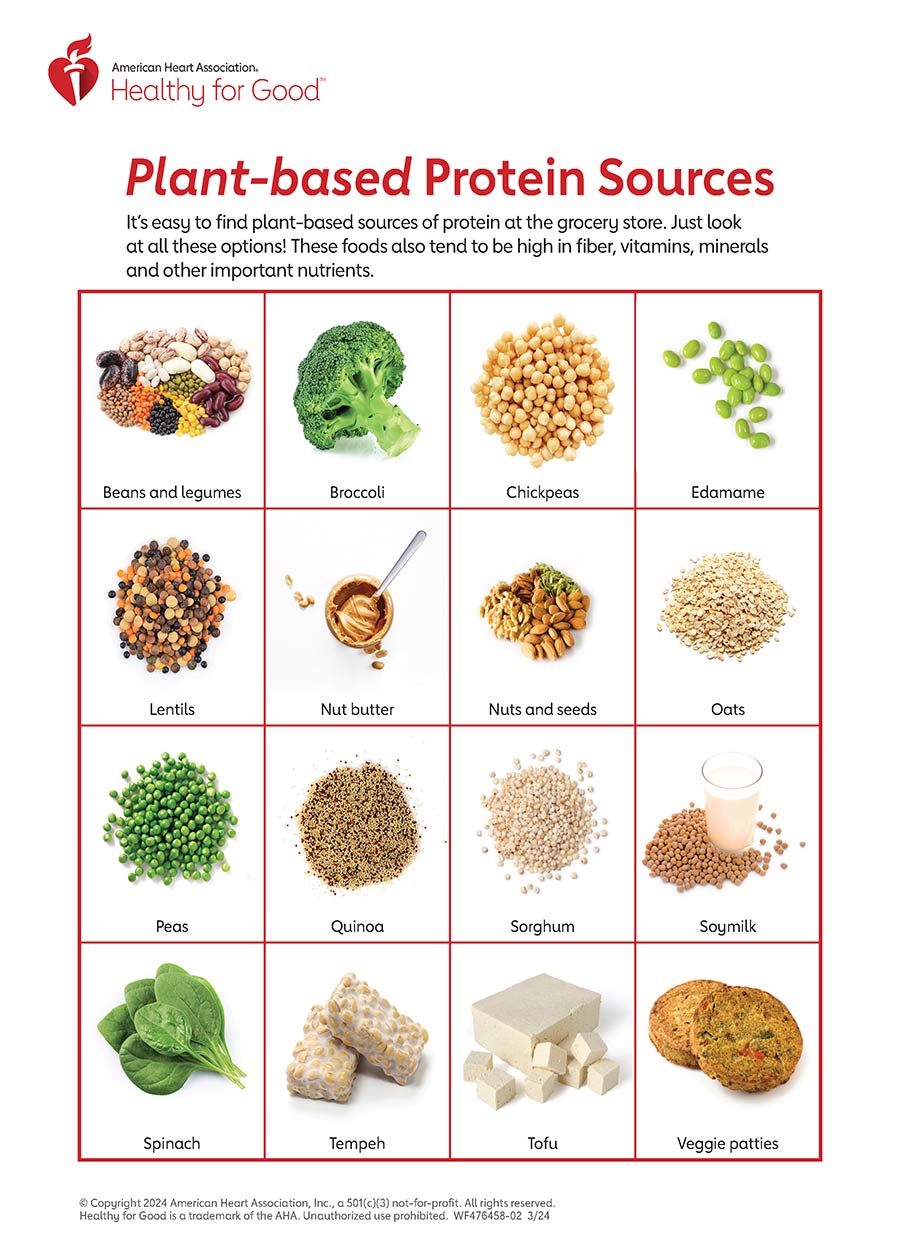
Legumes: The Powerhouses of Plant Protein
Legumes are perhaps the most well-known and widely consumed vegan protein sources. This diverse family includes beans, lentils, chickpeas, and peas, all offering a significant protein punch along with an array of other beneficial nutrients.
Beans: Versatile and Nutrient-Dense
Beans are a staple in many cuisines worldwide and for good reason. They are incredibly versatile, inexpensive, and packed with protein and fiber.
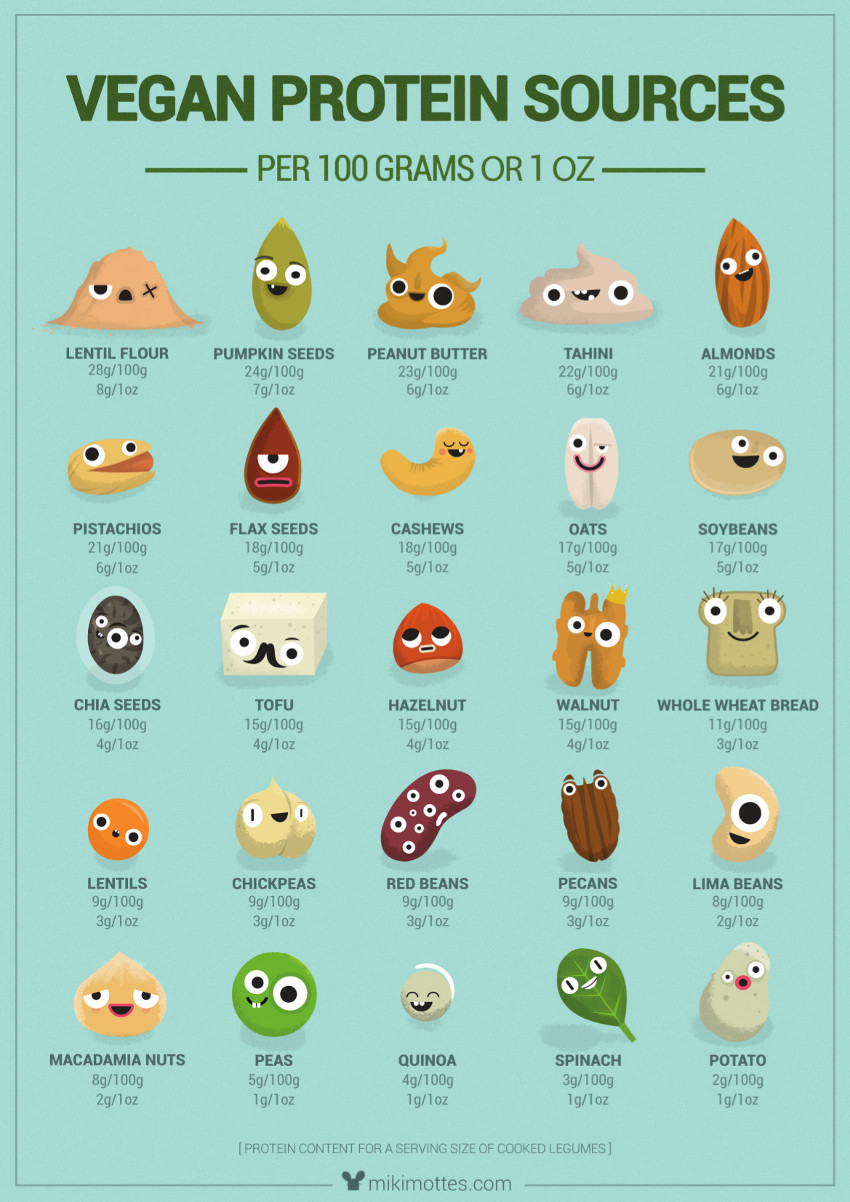
Black Beans: A Hearty Addition
Black beans are a popular choice, particularly in Latin American cuisine. A single cup of cooked black beans provides approximately 15 grams of protein and an impressive 15 grams of fiber. They are also rich in antioxidants, iron, and magnesium, making them a fantastic addition to tacos, burritos, salads, and soups.
Kidney Beans: A Staple for Chili and More
Kidney beans are another excellent source of protein, offering around 13 grams per cup cooked. Their firm texture makes them ideal for hearty dishes like chili, stews, and bean burgers. They also contribute significant amounts of iron, folate, and potassium.
Pinto Beans: Creamy and Delicious
Pinto beans, often found in Mexican dishes, are prized for their creamy texture and mild flavor. One cup of cooked pinto beans provides about 15 grams of protein and a good dose of fiber. They are perfect for refried beans, bean dips, or as a side dish.
Navy Beans: Small but Mighty
Navy beans, smaller and quicker to cook than some other varieties, offer approximately 15 grams of protein per cup. They are commonly used in baked beans and can also be added to soups and stews for a protein boost.
Chickpeas (Garbanzo Beans): Beyond Hummus
Chickpeas are incredibly versatile and a favorite among vegans. One cup of cooked chickpeas delivers about 15 grams of protein and 13 grams of fiber. While best known as the star ingredient in hummus, chickpeas can also be roasted for a crispy snack, added to curries, salads, or mashed to create “chickpea salad” sandwiches.
Lentils: Quick-Cooking and Nutrient-Packed
Lentils are a nutritionist’s dream: quick to cook, highly versatile, and bursting with protein and fiber. A single cup of cooked lentils provides an impressive 18 grams of protein and 16 grams of fiber.
Red Lentils: Fast and Flavorful
Red lentils cook the fastest and become wonderfully soft, making them ideal for dahl, soups, and purees. They offer a slightly sweeter flavor profile.
Green and Brown Lentils: Hearty and Earthy
Green and brown lentils hold their shape better after cooking, making them perfect for salads, stews, and as a hearty base for veggie burgers. Their earthy flavor pairs well with a variety of spices.
Soy Products: A Complete Protein Powerhouse
Soybeans are a complete protein, meaning they contain all nine essential amino acids. They are also incredibly versatile and form the basis of many popular vegan protein sources.
Tofu: The Chameleon of Plant Protein
Tofu, made from coagulated soy milk, is a staple in Asian cuisine and a fantastic protein source for vegans. Its mild flavor allows it to absorb the flavors of whatever it’s cooked with, making it incredibly versatile.
Firm and Extra-Firm Tofu: Ideal for Frying and Baking
Firm and extra-firm tofu varieties are best for stir-fries, baking, grilling, and scrambling. Pressing out excess water before cooking helps achieve a firmer texture and better flavor absorption. One half-cup serving of firm tofu typically provides around 10-12 grams of protein.
Silken Tofu: Creamy and Smooth
Silken tofu has a much higher water content and a custard-like consistency. It’s excellent for blending into smoothies, creamy sauces, salad dressings, and even vegan desserts.
Tempeh: Fermented and Nutty
Tempeh is a traditional Indonesian food made from fermented soybeans. It has a firm, chewy texture and a slightly nutty flavor. Because it’s fermented, tempeh also offers probiotic benefits for gut health. A 3-ounce serving of tempeh provides approximately 18-20 grams of protein. It can be sliced, crumbled, marinated, and then baked, fried, or stir-fried.
Edamame: A Snackable Protein
Edamame are young, immature soybeans typically sold in their pods or shelled and frozen. A one-cup serving of shelled edamame provides about 18 grams of protein and 8 grams of fiber. They make a delicious and nutritious snack, can be added to salads, or incorporated into stir-fries.
Soy Milk: A Versatile Beverage
Fortified soy milk can be a good source of protein, offering around 7-8 grams per cup. It’s a popular dairy-free milk alternative for cereal, coffee, smoothies, and baking.
Grains: More Than Just Carbs
While often thought of primarily as carbohydrate sources, many grains also contribute significantly to protein intake, especially whole grains.
Quinoa: The Pseudo-Cereal Gem
Quinoa is technically a “pseudo-cereal” but is cooked and eaten like a grain. It stands out because it’s a complete protein, containing all nine essential amino acids. One cup of cooked quinoa provides approximately 8 grams of protein and 5 grams of fiber. It’s highly versatile, perfect as a base for salads, a side dish, or in breakfast bowls.
Oats: A Hearty Breakfast Protein
Oats, particularly rolled or steel-cut varieties, offer a decent amount of protein. A half-cup dry serving of oats provides about 5-6 grams of protein. They are an excellent base for oatmeal, overnight oats, and can be used in baking.
Brown Rice: A Whole Grain Staple
While not as protein-dense as quinoa, brown rice still contributes to your daily protein intake. One cup of cooked brown rice provides around 5 grams of protein. It’s a versatile side dish and can be used in stir-fries, bowls, and salads.
Whole Wheat Pasta: A Heartier Option
Opting for whole wheat pasta over refined white pasta significantly boosts your protein and fiber intake. A serving of whole wheat pasta can offer around 7-8 grams of protein.
Spelt and Teff: Ancient Grains with Protein Power
Spelt and teff are ancient grains gaining popularity for their nutritional profiles. Spelt, a type of wheat, offers around 10-11 grams of protein per cup cooked, while teff, a tiny grain from Ethiopia, provides about 10 grams per cup cooked. Both can be used in similar ways to other whole grains.
Nuts and Seeds: Small but Mighty
Nuts and seeds are nutritional powerhouses, offering healthy fats, fiber, vitamins, minerals, and a good dose of protein.
Almonds: Crunchy and Nutritious
Almonds are a popular snack and a great source of protein. A one-ounce serving (about 23 almonds) provides around 6 grams of protein. They are also rich in vitamin E and magnesium.
Walnuts: Brain-Boosting Protein
Walnuts are unique for their high omega-3 fatty acid content. A one-ounce serving offers approximately 4 grams of protein.
Cashews: Creamy and Versatile
Cashews are often used in vegan cooking to create creamy sauces, cheeses, and desserts. A one-ounce serving provides about 5 grams of protein.
Peanuts: The Legume-Nut Hybrid
Botanically, peanuts are legumes, but nutritionally, they are often grouped with nuts. A one-ounce serving of peanuts provides around 7 grams of protein. Peanut butter is also a convenient and popular protein source.
Chia Seeds: The Super Seed
Chia seeds are tiny but mighty, boasting an impressive nutritional profile. Two tablespoons of chia seeds provide approximately 5 grams of protein and an incredible 10 grams of fiber, along with omega-3 fatty acids. They absorb liquid and form a gel, making them excellent for puddings, smoothies, and as an egg replacer in baking.
Flaxseeds: Omega-3 and Protein Rich
Like chia seeds, flaxseeds are rich in omega-3 fatty acids and fiber. Two tablespoons of ground flaxseeds offer about 3 grams of protein. Grinding them is essential for optimal nutrient absorption. They can be added to smoothies, oatmeal, and baked goods.
Hemp Seeds: Complete and Easy to Digest
Hemp seeds (also known as hemp hearts) are an excellent complete protein source, offering all nine essential amino acids. Two tablespoons provide approximately 6 grams of protein and a good balance of omega-3 and omega-6 fatty acids. They have a mild, nutty flavor and can be sprinkled on salads, smoothies, yogurt, or oatmeal.
Pumpkin Seeds: A Green Protein Boost
Pumpkin seeds are a fantastic source of protein, offering about 8 grams per quarter-cup serving. They are also rich in zinc and magnesium. Enjoy them as a snack, or sprinkle them on salads and soups.
Sunflower Seeds: Versatile and Nutritious
Sunflower seeds provide about 6 grams of protein per quarter-cup. They are also a good source of vitamin E and selenium. They can be eaten as a snack, added to trail mix, or used in baked goods.
Vegetables: Hidden Protein Powerhouses
While vegetables are not typically considered primary protein sources, many offer small but significant amounts that contribute to overall daily intake, especially when consumed in larger quantities.
Broccoli: A Green Protein Provider
Broccoli is a surprisingly good source of protein for a vegetable. One cup of chopped broccoli provides about 2.6 grams of protein, along with plenty of vitamin C and K.
Spinach: Leafy Green Goodness
Spinach, like other leafy greens, contributes to protein intake. One cup of cooked spinach offers approximately 5 grams of protein.
Brussels Sprouts: Mini Cabbage Protein
Brussels sprouts provide around 3 grams of protein per cup cooked. They are also rich in vitamin K and C.
Asparagus: Springtime Protein
Asparagus offers about 4 grams of protein per cup cooked. It’s also a good source of folate and vitamins A and C.
Potatoes: Surprising Protein Content
While often seen as a carb, a medium-sized potato with the skin on provides around 4-5 grams of protein.
Vegan Protein Powders and Supplements
For those with higher protein needs, athletes, or individuals struggling to meet their protein goals through whole foods alone, vegan protein powders can be a convenient option.
Pea Protein: Popular and Allergen-Friendly
Pea protein, derived from yellow peas, is a highly digestible and complete protein source. It’s a popular choice due to its neutral flavor and low allergenicity.
Rice Protein: Hypoallergenic Option
Rice protein, typically made from brown rice, is another hypoallergenic option. It’s often combined with pea protein to create a more complete amino acid profile.
Hemp Protein: Whole Food Power
Hemp protein powder is made from ground hemp seeds and retains much of the fiber and healthy fats present in the whole seed. It’s a complete protein and has an earthy flavor.
Soy Protein Isolate: High Protein, Low Carb
Soy protein isolate is a highly refined form of soy protein, offering a high protein content with minimal carbohydrates and fats.
Putting It All Together: Meeting Your Protein Needs
The key to meeting your protein needs on a vegan diet is variety. By incorporating a wide range of the plant-based protein sources mentioned above throughout your day, you’ll naturally consume all the essential amino acids your body requires.
Oatmeal with chia seeds, hemp seeds, and a handful of nuts.
Lentil soup with whole-wheat bread.
Black bean burgers on whole-wheat buns with a side of broccoli.
Edamame
Conclusion
Embracing a vegan diet does not mean compromising on protein. The plant kingdom offers a vast and diverse array of protein-rich foods, each with its unique nutritional benefits. By understanding these sources and creatively incorporating them into your meals, you can effortlessly meet your protein requirements, enjoy delicious and nutritious food, and thrive on a plant-based lifestyle. From the humble bean to the mighty quinoa, and the versatile tofu to the super seeds, the options are endless for building a protein-packed vegan diet that supports your health and well-being.
:max_bytes(150000):strip_icc()/EW-Meal-Plans-Healthy-Weight-Gain-Day-4-1x1-alt-81577102cff74485ac146541976d8b22.jpg?resize=200,135&ssl=1 "Fueling Up: High-Protein Meals For Healthy Weight Gain")


