
Superfoods for Immune Support
The human immune system is a complex and fascinating network of cells, tissues, and organs that work tirelessly to defend the body against harmful invaders like bacteria, viruses, fungi, and parasites. In an increasingly interconnected world, where new pathogens emerge and existing ones evolve, maintaining a robust immune system has become more critical than ever. While various factors influence immune health, including sleep, stress management, and physical activity, nutrition plays a foundational role. The concept of “superfoods” has gained significant traction in recent years, referring to foods that are exceptionally nutrient-dense and offer significant health benefits. When it comes to immune support, certain superfoods stand out due to their concentrated levels of vitamins, minerals, antioxidants, and other bioactive compounds that directly or indirectly bolster our body’s defenses. This comprehensive article delves into the world of superfoods specifically chosen for their immune-boosting properties, offering insights into their mechanisms of action and practical ways to incorporate them into your daily diet.
The Foundations of Immune Health: Essential Nutrients
Before exploring specific superfoods, it’s crucial to understand the key nutrients that form the bedrock of a healthy immune system. These include:
Vitamin C: The Antioxidant Powerhouse
Vitamin C is perhaps the most well-known immune-boosting nutrient. It’s a powerful antioxidant that protects immune cells from damage caused by free radicals. It also plays a vital role in the production and function of various immune cells, including phagocytes and lymphocytes, which are critical for fighting infections.
Vitamin D: The Sunshine Vitamin’s Immune Role
Often associated with bone health, Vitamin D also profoundly impacts the immune system. It modulates both innate and adaptive immune responses and is crucial for the activation of T cells, a type of white blood cell that identifies and kills infected cells. Many people, particularly in regions with limited sunlight, are deficient in Vitamin D, making supplementation or dietary intake crucial.
Zinc: The Immune System’s Co-Factor
Zinc is an essential trace mineral that acts as a co-factor for hundreds of enzymes in the body, many of which are involved in immune function. It plays a critical role in the development and function of immune cells, including neutrophils, natural killer cells, and T lymphocytes. Zinc deficiency can significantly impair immune responses.
Selenium: A Trace Mineral with Antioxidant Prowess
Selenium is another trace mineral with potent antioxidant properties. It’s incorporated into selenoproteins, which are enzymes that protect cells from oxidative damage. Selenium also influences the production of antibodies and the activity of natural killer cells, contributing to a more robust immune response.
B Vitamins: Energy and Immune Cell Production
While often recognized for their role in energy metabolism, several B vitamins, including B6, B9 (folate), and B12, are essential for proper immune function. They contribute to the production of white blood cells and antibodies, and a deficiency in these vitamins can compromise immune responses.
Superfoods for Immune Support: A Detailed Look
Now, let’s explore specific superfoods that are rich in these vital nutrients and other beneficial compounds, making them excellent choices for immune support.
Citrus Fruits: Beyond Just Vitamin C
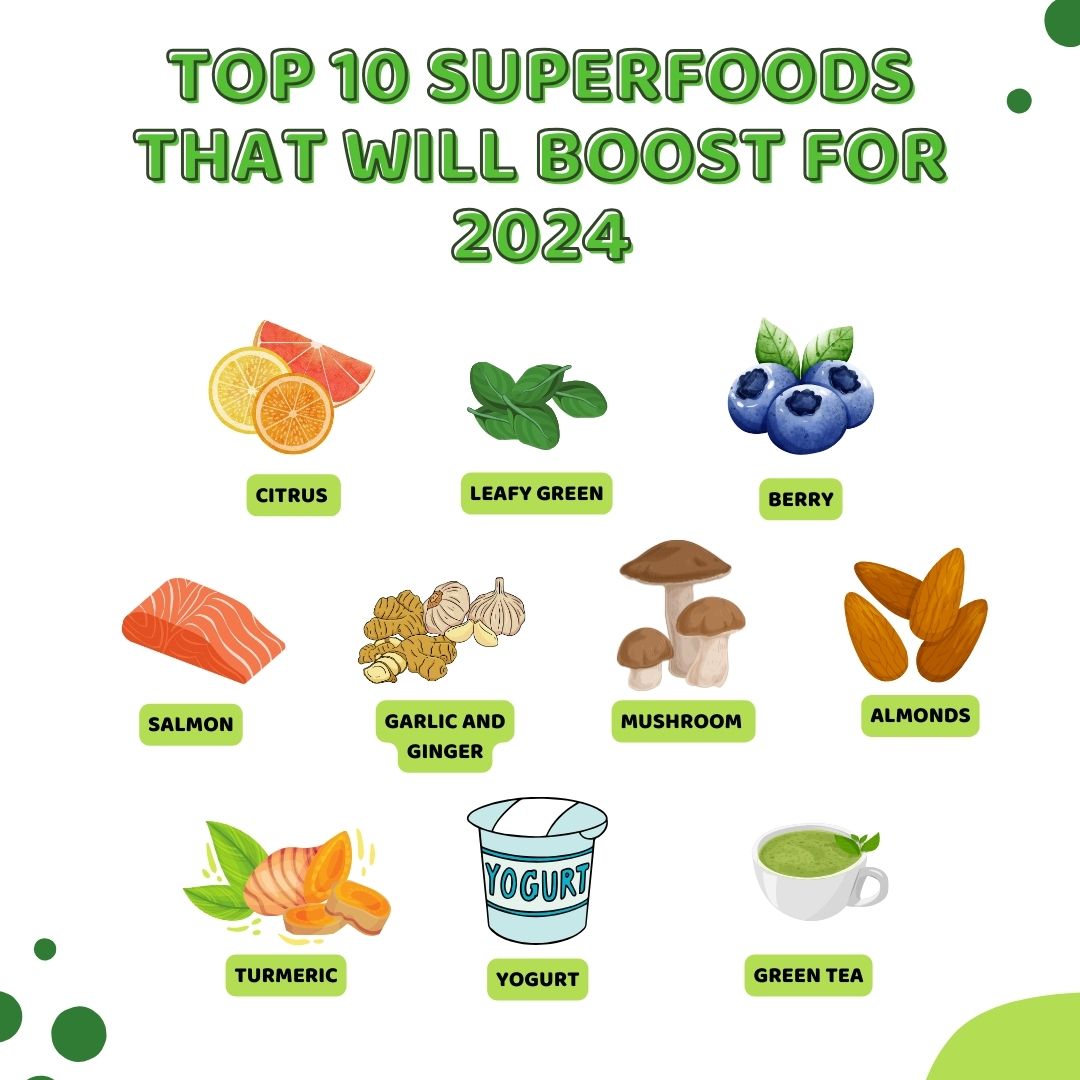
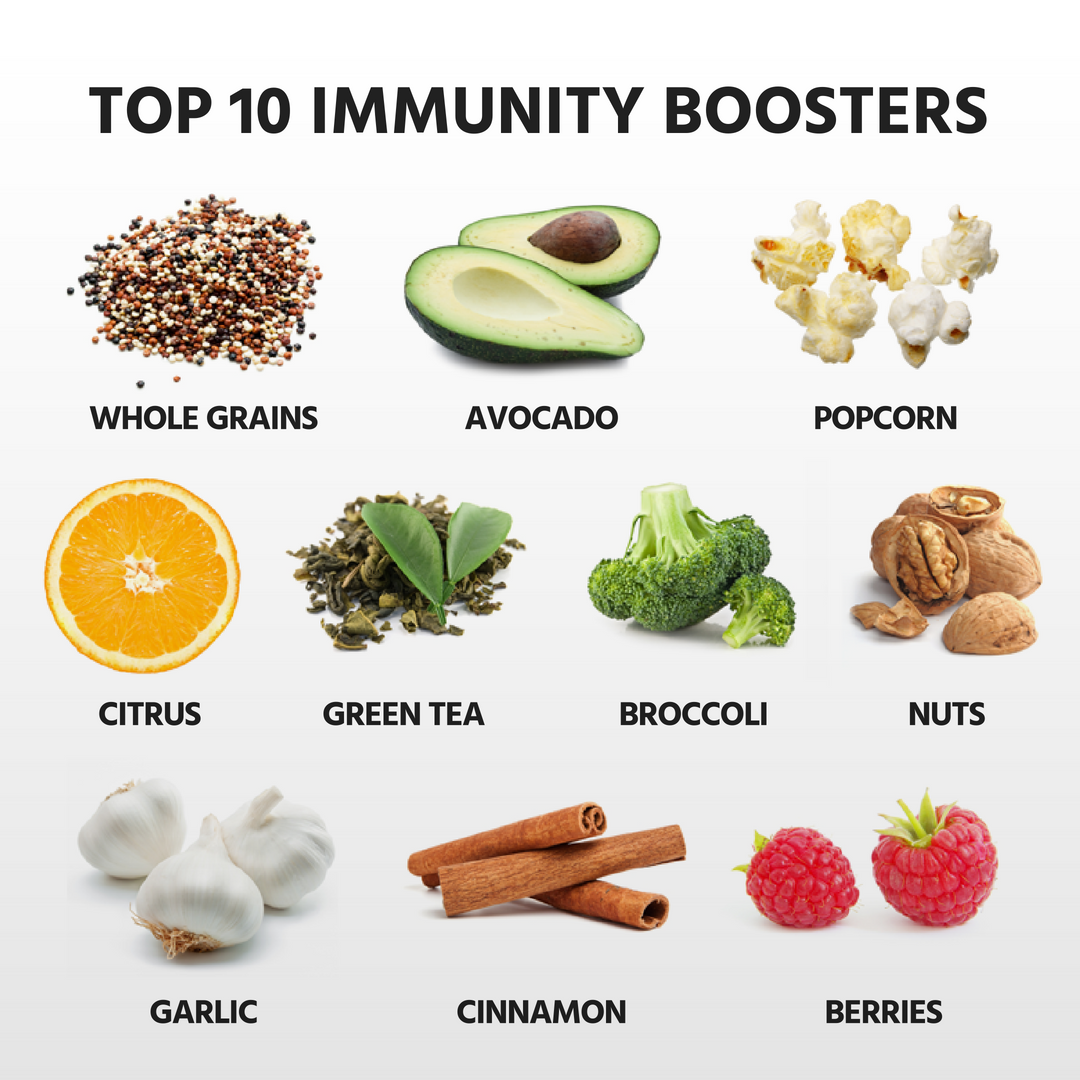
While their high Vitamin C content is legendary, citrus fruits like oranges, grapefruits, lemons, and limes offer more than just this single nutrient. They also contain flavonoids, powerful antioxidants that can help reduce inflammation and enhance immune cell activity. The combined action of Vitamin C and flavonoids makes citrus fruits a potent immune-boosting addition to your diet.
Berries: A Symphony of Antioxidants
Blueberries, strawberries, raspberries, and blackberries are not only delicious but also packed with antioxidants, particularly anthocyanins, which give them their vibrant colors. These compounds have anti-inflammatory properties and can enhance natural killer cell activity. Regular consumption of berries can contribute to a stronger immune defense against pathogens.
Leafy Green Vegetables: The Unsung Heroes
Spinach, kale, Swiss chard, and other leafy greens are nutritional powerhouses. They are rich in Vitamin C, Vitamin A (from beta-carotene), folate, and a variety of antioxidants. These nutrients work synergistically to support immune cell production, reduce oxidative stress, and maintain the integrity of mucosal barriers, which are the body’s first line of defense.
Broccoli and Other Cruciferous Vegetables: Detox and Defend
Broccoli, cauliflower, Brussels sprouts, and cabbage are cruciferous vegetables known for their high content of sulforaphane and other sulfur-containing compounds. These compounds have potent antioxidant and anti-inflammatory effects and can support the body’s detoxification pathways, which indirectly aids immune function by reducing the burden on the immune system. They also provide a good source of Vitamin C and K.
Garlic: The Pungent Protector
Garlic has been used for centuries as a natural remedy for various ailments, and its immune-boosting properties are well-documented. It contains allicin, a sulfur-containing compound responsible for its pungent odor and many of its health benefits. Allicin has antimicrobial properties, meaning it can directly combat bacteria, viruses, and fungi. Regular consumption of garlic can help enhance the activity of various immune cells.
Ginger: The Warming Anti-Inflammatory
Ginger, a popular spice and traditional medicine, boasts powerful anti-inflammatory and antioxidant properties. It contains gingerol, a bioactive compound that can help reduce inflammation throughout the body, which is crucial for optimal immune function. Chronic inflammation can suppress the immune system, so incorporating ginger can help maintain a balanced immune response.
Turmeric: The Golden Spice with Immense Power
Turmeric, often called “golden spice,” owes its vibrant color and many health benefits to curcumin, a potent bioactive compound. Curcumin has remarkable anti-inflammatory, antioxidant, and immunomodulatory effects. It can help regulate various immune cells and pathways, making turmeric a significant superfood for immune support. Combining it with black pepper enhances its absorption.
Green Tea: The Elixir of Health
Green tea is renowned for its high concentration of catechins, particularly epigallocatechin gallate (EGCG), a powerful antioxidant. EGCG has been shown to enhance immune function by increasing the number and activity of regulatory T cells, which help maintain immune balance. Regular consumption of green tea can contribute to a more resilient immune system.
Nuts and Seeds: Tiny Powerhouses of Nutrients
Almonds, walnuts, chia seeds, flax seeds, and pumpkin seeds are excellent sources of zinc, selenium, Vitamin E, and healthy fats. Vitamin E is a potent antioxidant that helps protect immune cells from damage. The healthy fats contribute to the integrity of cell membranes, including those of immune cells. Incorporating a variety of nuts and seeds can provide a wide spectrum of immune-supporting nutrients.
Fermented Foods: Nurturing Your Gut Microbiome
Yogurt, kefir, sauerkraut, kimchi, and kombucha are examples of fermented foods rich in probiotics, beneficial bacteria that reside in the gut. A healthy gut microbiome is intimately linked to a strong immune system. Probiotics can help regulate immune responses, improve nutrient absorption, and create a barrier against harmful pathogens. By fostering a balanced gut environment, fermented foods indirectly bolster overall immunity.
Oily Fish: Omega-3s for Immune Modulation
Salmon, mackerel, sardines, and trout are excellent sources of omega-3 fatty acids, particularly EPA and DHA. These essential fatty acids have powerful anti-inflammatory properties and play a crucial role in modulating immune responses. They can help reduce excessive inflammation, which can otherwise suppress the immune system, thus promoting a more balanced and effective immune response.
Practical Strategies for Incorporating Immune-Boosting Superfoods
Integrating these superfoods into your daily diet doesn’t have to be complicated. Here are some practical tips:
Start Your Day with a Nutrient Boost
Add berries and spinach to your morning smoothie. Sprinkle chia seeds or flax seeds on your yogurt or oatmeal.
Prioritize Colorful Plates
Aim for a variety of colorful fruits and vegetables at every meal. The more colors on your plate, the wider the range of antioxidants and nutrients you’ll consume.
Snack Smart
Swap processed snacks for a handful of almonds, a piece of fruit, or a small bowl of berries.
Spice Up Your Cooking
Incorporate garlic, ginger, and turmeric into your soups, stews, stir-fries, and curries. Experiment with different spices to enhance flavor and nutrient content.
Embrace Fermented Foods
Include a serving of yogurt, kefir, or sauerkraut in your daily routine.
Opt for Oily Fish
Aim for at least two servings of oily fish per week.
Hydrate with Green Tea
Replace some of your coffee or sugary drinks with green tea for an antioxidant boost.
Beyond Superfoods: A Holistic Approach to Immune Health
While superfoods are incredibly beneficial, it’s essential to remember that they are part of a larger picture. A truly robust immune system is built upon a holistic approach that includes:
Adequate Sleep
Sleep deprivation significantly impairs immune function, reducing the production of protective cytokines and infection-fighting antibodies. Aim for 7-9 hours of quality sleep per night.
Stress Management
Chronic stress can suppress the immune system. Incorporate stress-reducing techniques such as meditation, yoga, deep breathing exercises, or spending time in nature.
Regular Physical Activity
Moderate exercise can boost the circulation of immune cells, making them more efficient at detecting and fighting off pathogens. However, overtraining can have the opposite effect, so find a balanced routine.
Limiting Processed Foods and Sugar
Processed foods, high in unhealthy fats, sugar, and artificial ingredients, can promote inflammation and negatively impact gut health, thereby compromising immune function.
Hydration
Staying well-hydrated is crucial for the proper functioning of all bodily systems, including the immune system. Water helps transport nutrients and remove waste products.
Conclusion
The pursuit of a strong immune system is a continuous journey, and nutrition is undeniably one of its most powerful allies. By consciously incorporating a diverse range of superfoods into your daily diet, you provide your body with the essential vitamins, minerals, and bioactive compounds it needs to build a robust defense system. From the antioxidant prowess of berries and leafy greens to the anti-inflammatory power of ginger and turmeric, and the gut-balancing benefits of fermented foods, each superfood plays a unique and valuable role. However, it’s crucial to remember that superfoods are not a magic bullet. They are most effective when integrated into a holistic lifestyle that prioritizes adequate sleep, stress management, regular physical activity, and overall healthy eating habits. By adopting this comprehensive approach, you can empower your immune system to function optimally, helping you stay healthy and resilient in the face of life’s challenges. Invest in your immune health, and it will undoubtedly invest in your overall well-being.
:max_bytes(150000):strip_icc()/EW-Meal-Plans-Healthy-Weight-Gain-Day-4-1x1-alt-81577102cff74485ac146541976d8b22.jpg?resize=200,135&ssl=1 "Fueling Up: High-Protein Meals For Healthy Weight Gain")


