
In a world increasingly focused on health and well-being, certain nutrients consistently rise to prominence, capturing the attention of scientists, healthcare professionals, and the general public alike. Among these, omega-3 fatty acids stand out as a cornerstone of optimal nutrition, their multifaceted benefits extending across virtually every system of the human body. Far from being a fleeting health fad, the scientific understanding of omega-3s has solidified over decades, revealing their crucial roles in cellular function, inflammation regulation, brain health, cardiovascular protection, and much more. This extensive article will delve into the profound significance of omega-3 fatty acids in nutrition, exploring their different forms, dietary sources, mechanisms of action, and the compelling evidence supporting their diverse health advantages.
The ABCs of Omega-3s: ALA, EPA, and DHA
Omega-3 fatty acids are a type of polyunsaturated fat, characterized by their unique chemical structure with a double bond positioned three carbons from the methyl end of the fatty acid chain. While there are several omega-3s, three are of primary importance in human nutrition: alpha-linolenic acid (ALA), eicosapentaenoic acid (EPA), and docosahexaenoic acid (DHA).
Alpha-Linolenic Acid (ALA): The Plant-Based Precursor

ALA is considered an “essential” fatty acid, meaning the human body cannot synthesize it and must obtain it through the diet. It is predominantly found in plant-based sources such as flaxseeds, chia seeds, walnuts, and some vegetable oils like canola and soybean oil. While ALA has its own benefits, its primary role in human health is as a precursor to EPA and DHA. The body can convert ALA into EPA and then into DHA, but this conversion process is often inefficient, particularly for DHA. Factors such as genetics, nutrient deficiencies (e.g., zinc, magnesium, B vitamins), and a high intake of omega-6 fatty acids can further hinder this conversion.
Eicosapentaenoic Acid (EPA): The Anti-Inflammatory Powerhouse
EPA is one of the “long-chain” or “marine” omega-3s, primarily found in fatty fish like salmon, mackerel, sardines, and anchovies, as well as in some types of algae. EPA is renowned for its potent anti-inflammatory properties. It serves as a precursor to eicosanoids, signaling molecules that play crucial roles in inflammation, blood clotting, and blood vessel constriction. Unlike the pro-inflammatory eicosanoids derived from omega-6 fatty acids, those derived from EPA tend to be less inflammatory or even anti-inflammatory. This makes EPA a key player in managing chronic inflammatory conditions.
Docosahexaenoic Acid (DHA): The Brain and Eye Builder
DHA is the most abundant omega-3 fatty acid in the brain and retina, highlighting its critical role in neurological development and visual function. Like EPA, DHA is primarily found in fatty fish and algae. It is essential for the optimal development of the brain and eyes in infants and children, and continues to be vital for cognitive function, memory, and mood regulation throughout adulthood. DHA is a major structural component of cell membranes, particularly in nerve cells, where it contributes to their fluidity, flexibility, and signaling capabilities.
Dietary Sources of Omega-3 Fatty Acids
Incorporating sufficient omega-3s into the diet is crucial for reaping their benefits. While supplements are available, prioritizing whole food sources is generally recommended.
Marine Sources: The Richest Reservoir of EPA and DHA
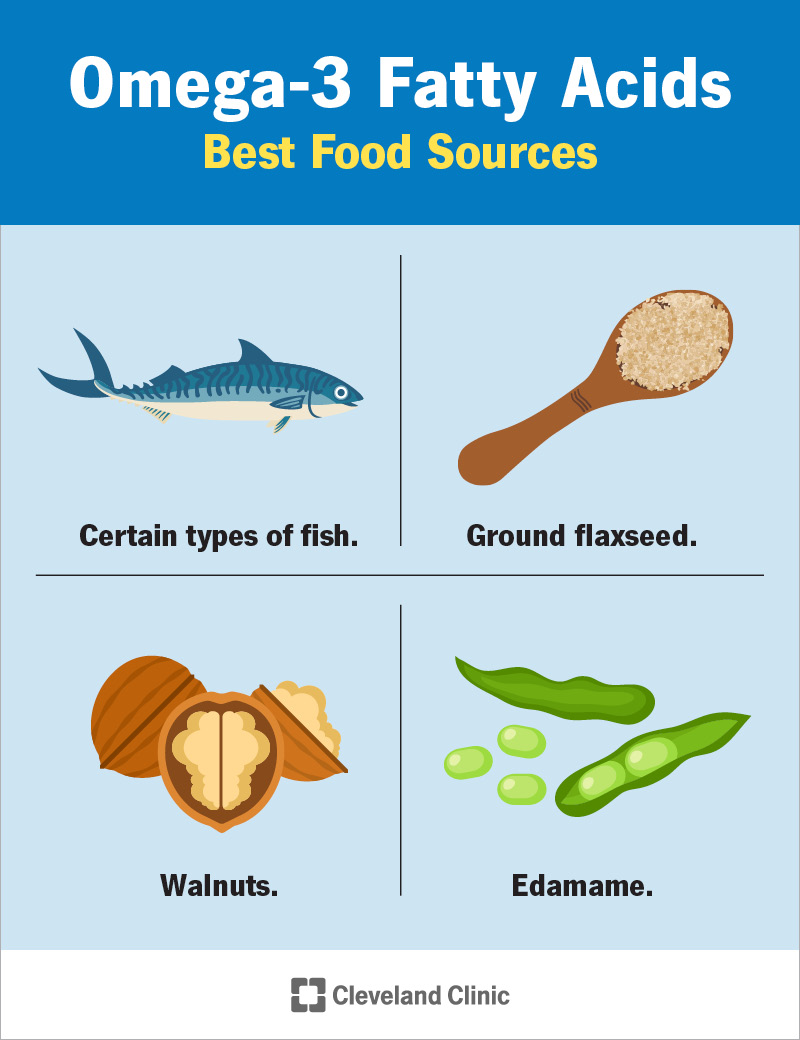
Fatty fish are the most significant dietary sources of EPA and DHA. Excellent choices include:
Salmon: Wild-caught or farmed, a rich source of both EPA and DHA.
Mackerel: A smaller, oily fish that packs a considerable omega-3 punch.
Sardines: Small, affordable, and sustainable, sardines are an excellent source of EPA and DHA.
Anchovies: Often overlooked, these tiny fish are surprisingly rich in omega-3s.
Herring: Another oily fish commonly consumed in various culinary traditions.
Trout: Particularly rainbow trout, offers a good amount of omega-3s.
For individuals who do not consume fish, or wish to supplement their intake, algal oil is a sustainable and vegan-friendly source of preformed EPA and DHA. This oil is derived from microalgae, which are the original producers of these omega-3s that fish then consume.
Plant-Based Sources: ALA Abundance
For ALA, plant-based foods are the go-to options:
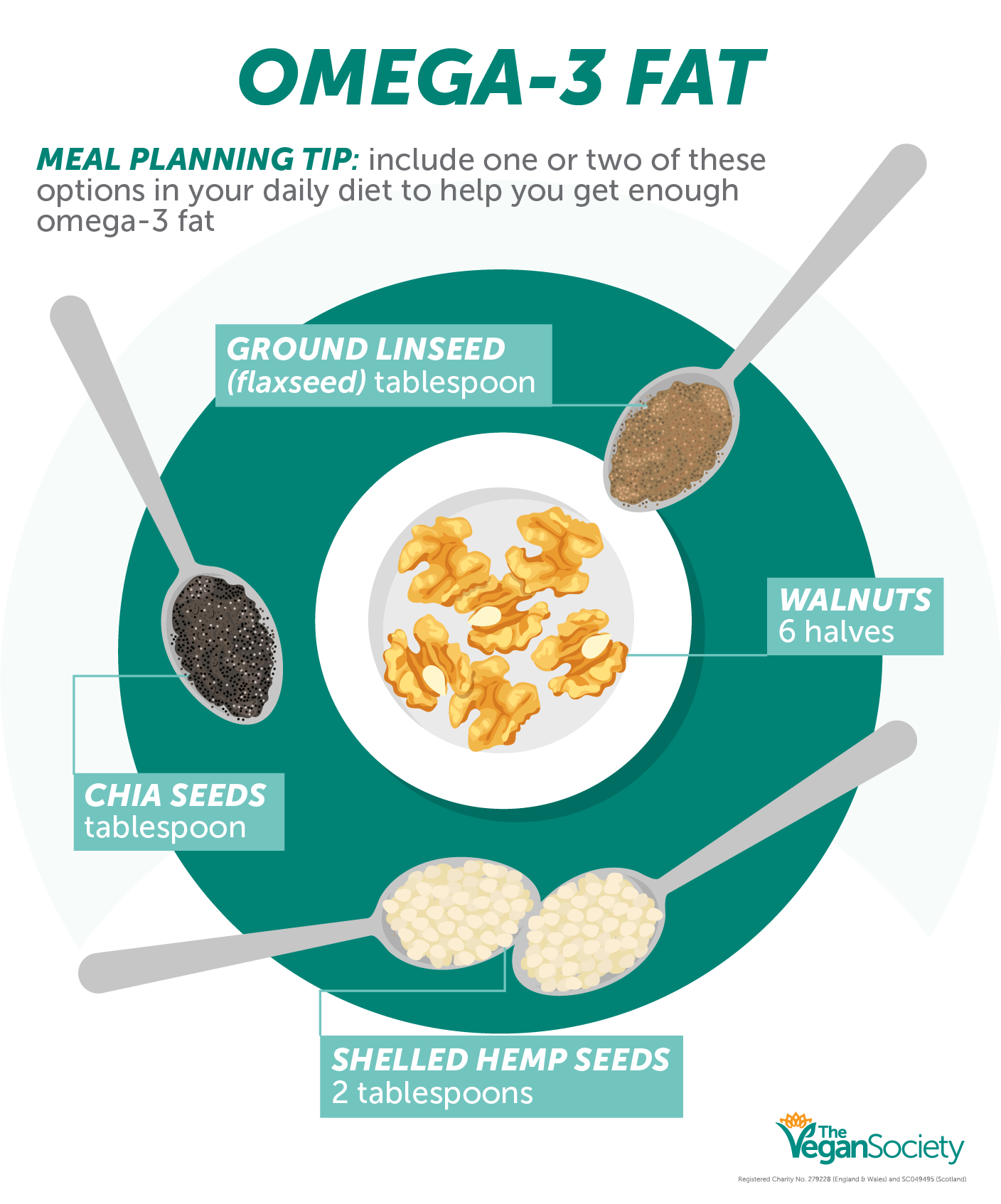
Flaxseeds: Whole or ground, flaxseeds are an outstanding source of ALA. Ground flaxseeds are more readily absorbed.
Chia Seeds: Similar to flaxseeds, chia seeds are a nutritional powerhouse, providing ALA, fiber, and other essential nutrients.
Walnuts: A convenient snack rich in ALA, along with antioxidants and other beneficial compounds.
Hemp Seeds: These versatile seeds offer ALA, protein, and a good balance of omega-6 to omega-3 fatty acids.
Canola Oil: A common cooking oil with a decent ALA content, though its omega-6 content should also be considered.
Soybean Oil: Another widely used vegetable oil that provides ALA.
It’s important to remember that while ALA is beneficial, the conversion to EPA and DHA is limited. Therefore, individuals relying solely on plant-based sources of omega-3s may consider supplementing with algal oil to ensure adequate intake of EPA and DHA.
Mechanisms of Action: How Omega-3s Work Their Magic
The diverse benefits of omega-3 fatty acids stem from their multifaceted mechanisms of action within the body.
Cell Membrane Integration: Building Blocks of Life
Omega-3s, particularly EPA and DHA, are incorporated into the phospholipids of cell membranes throughout the body. This integration significantly influences the fluidity, flexibility, and permeability of these membranes. A more fluid membrane allows for better cell signaling, nutrient transport, and waste removal. In contrast, membranes rich in saturated and omega-6 fatty acids tend to be more rigid, potentially impairing cellular function.
Modulation of Inflammation: Balancing the Immune Response
One of the most well-established roles of omega-3s is their ability to modulate inflammatory processes. EPA and DHA compete with arachidonic acid (an omega-6 fatty acid) for incorporation into cell membranes and for the enzymes that produce eicosanoids. When omega-3s are abundant, they lead to the production of less inflammatory eicosanoids (e.g., leukotrienes, prostaglandins, thromboxanes) compared to those derived from arachidonic acid. Furthermore, omega-3s are precursors to specialized pro-resolving mediators (SPMs) such as resolvins, protectins, and maresins. These compounds actively promote the resolution of inflammation, helping to “turn off” the inflammatory response and restore tissue homeostasis.
Gene Expression Regulation: Influencing Cellular Processes
Omega-3 fatty acids can directly influence gene expression, acting as signaling molecules that regulate various cellular processes. They can bind to and activate specific nuclear receptors, such as peroxisome proliferator-activated receptors (PPARs), which play crucial roles in lipid metabolism, glucose homeostasis, and inflammation. By modulating gene expression, omega-3s can impact pathways related to fat synthesis and breakdown, insulin sensitivity, and the production of inflammatory cytokines.
Antioxidant Properties: Protecting Against Oxidative Stress
While not direct antioxidants in the classical sense, omega-3s can indirectly contribute to antioxidant defense. They can enhance the activity of endogenous antioxidant enzymes and reduce the production of reactive oxygen species (ROS). By promoting healthy cellular function and reducing inflammation, they contribute to a more robust defense against oxidative stress, a major contributor to aging and chronic diseases.
Compelling Health Benefits of Omega-3 Fatty Acids
The extensive research on omega-3 fatty acids has revealed a wide array of health benefits, supporting their role as essential components of a healthy diet.
Cardiovascular Health: A Shield for the Heart
The evidence for omega-3s’ cardiovascular benefits is perhaps the most robust. They contribute to heart health through several mechanisms:
Lowering Triglycerides: Omega-3s, particularly EPA and DHA, are highly effective at reducing high triglyceride levels, a significant risk factor for heart disease.
Reducing Blood Pressure: Regular intake of omega-3s can lead to modest reductions in blood pressure, especially in individuals with hypertension.
Improving Endothelial Function: They help maintain the health and flexibility of blood vessels by improving endothelial function, the lining of blood vessels.
Anti-Arrhythmic Effects: Omega-3s may help stabilize heart rhythm and reduce the risk of irregular heartbeats (arrhythmias).
Reducing Atherosclerosis: By reducing inflammation and improving lipid profiles, omega-3s can slow the progression of atherosclerosis, the hardening and narrowing of arteries.
Preventing Blood Clots: While beneficial, very high doses could theoretically increase bleeding risk, but typical dietary and supplemental levels contribute to healthy blood viscosity.
Brain Health and Cognitive Function: Fuel for the Mind
DHA is particularly crucial for brain health, comprising a significant portion of the brain’s structural lipids.
Brain Development in Infants: Adequate DHA intake during pregnancy and early childhood is vital for optimal brain and visual development in infants.
Cognitive Function in Adults: Omega-3s are linked to improved memory, learning, and overall cognitive performance in adults.
Mood and Mental Health: Research suggests that omega-3 supplementation may help alleviate symptoms of depression, anxiety, and other mood disorders, potentially by influencing neurotransmitter function and reducing neuroinflammation.
Neurodegenerative Diseases: While more research is needed, omega-3s show promise in potentially reducing the risk or slowing the progression of neurodegenerative diseases like Alzheimer’s and Parkinson’s.
Eye Health: Protecting Your Vision
DHA is highly concentrated in the retina of the eye.
Visual Development: Essential for the proper development of vision in infants.
Age-Related Macular Degeneration (AMD): Some studies suggest that adequate omega-3 intake may help reduce the risk or slow the progression of AMD, a leading cause of vision loss in older adults.
Dry Eye Syndrome: Omega-3s can improve tear film stability and reduce inflammation in the eyes, potentially alleviating symptoms of dry eye.
Joint Health and Inflammation: Soothing Aches and Pains
Given their potent anti-inflammatory properties, omega-3s are beneficial for joint health.
Rheumatoid Arthritis (RA): Omega-3 supplementation has been shown to reduce joint pain, stiffness, and the need for anti-inflammatory medications in individuals with RA.
Osteoarthritis: While less directly impactful than for RA, omega-3s can still contribute to overall joint health by reducing systemic inflammation.
General Musculoskeletal Pain: By reducing overall inflammation, omega-3s can help alleviate various forms of musculoskeletal pain.
Skin Health: A Radiant Glow
Omega-3s contribute to healthy skin from within.
Reducing Inflammation: They can help calm inflammatory skin conditions like acne, psoriasis, and eczema.
Maintaining Skin Barrier Function: Omega-3s support the integrity of the skin barrier, helping to retain moisture and protect against environmental damage.
Promoting Wound Healing: Their anti-inflammatory properties may contribute to improved wound healing.
Maternal and Child Health: A Foundation for Life
Omega-3s are critically important during pregnancy and lactation.
Fetal Brain and Eye Development: Adequate DHA intake by the mother is essential for the healthy development of the fetal brain and eyes.
Reduced Risk of Preterm Birth: Some research suggests a link between higher omega-3 intake and a reduced risk of preterm birth.
Postpartum Depression: Omega-3s may help reduce the risk and severity of postpartum depression in mothers.
Childhood Development: Continued omega-3 intake during childhood supports ongoing brain development, cognitive function, and potentially reduces the risk of certain behavioral issues.
Other Potential Benefits: Expanding Horizons
Research continues to explore the broader impacts of omega-3s:
Metabolic Syndrome: They may improve insulin sensitivity, reduce abdominal fat, and positively impact other components of metabolic syndrome.
Liver Health: Omega-3s show promise in managing non-alcoholic fatty liver disease (NAFLD) by reducing liver fat and inflammation.
Bone Health: Some studies suggest omega-3s may play a role in bone density and strength.
Cancer Prevention and Adjunctive Therapy: While not a cure, some research indicates that omega-3s may have anti-cancer properties and could potentially enhance the effectiveness of conventional cancer treatments while reducing side effects.
Omega-3 to Omega-6 Ratio: A Delicate Balance
Beyond the absolute intake of omega-3s, the ratio of omega-3 to omega-6 fatty acids in the diet is a crucial consideration. Evolutionary diets likely had a ratio closer to 1:1 or 1:2 (omega-3 to omega-6). However, modern Western diets often have ratios as high as 1:15 or even 1:20, largely due to the widespread consumption of vegetable oils high in omega-6s (e.g., corn, soybean, sunflower oils) and processed foods.
While omega-6 fatty acids are also essential and play vital roles in the body, an excessive intake can promote inflammation. Both omega-3 and omega-6 fatty acids compete for the same enzymes for metabolism. A high omega-6 intake can therefore hinder the conversion of ALA to EPA and DHA and promote the production of pro-inflammatory eicosanoids.
Therefore, while increasing omega-3 intake is important, it’s equally beneficial to reduce excessive omega-6 intake. This doesn’t mean eliminating all omega-6s, but rather focusing on healthy sources (e.g., nuts, seeds in moderation) and avoiding highly processed foods and oils rich in refined omega-6s.
Omega-3 Supplementation: When and How
While a whole-food approach is ideal, many individuals may find it challenging to obtain sufficient omega-3s through diet alone, especially EPA and DHA. This is where supplementation can play a valuable role.
Fish Oil Supplements: The Most Common Choice
Fish oil is the most widely available omega-3 supplement, providing both EPA and DHA. When choosing a fish oil supplement, consider the following:
Purity and Freshness: Look for supplements that are third-party tested for contaminants (e.g., mercury, PCBs, dioxins) and oxidation (rancidity). Reputable brands often display certifications from organizations like IFOS (International Fish Oil Standards).
Concentration: Check the amount of EPA and DHA per serving, not just the total fish oil content. Higher concentrations mean fewer capsules are needed.
Form: Fish oil is available in triglyceride and ethyl ester forms. The triglyceride form is generally considered more bioavailable and stable.
Sustainability: Choose brands that source their fish oil sustainably to protect marine ecosystems.
Algal Oil Supplements: The Vegan Option
For vegetarians, vegans, or those with fish allergies, algal oil supplements provide a direct source of preformed EPA and DHA, bypassing the inefficient conversion of ALA. This is an excellent alternative that offers the same benefits as fish oil for those who do not consume animal products.
Dosage: Tailoring to Individual Needs
The optimal dosage of omega-3s varies depending on individual health goals and conditions. General recommendations for healthy adults often range from 250-500 mg of combined EPA and DHA per day. For specific health conditions, higher doses may be recommended under the guidance of a healthcare professional. It is always advisable to consult with a doctor or registered dietitian before starting any new supplement regimen.
Considerations and Potential Side Effects
While generally safe and well-tolerated, there are a few considerations regarding omega-3 supplementation:
Bleeding Risk: Very high doses (e.g., >3 grams/day) of omega-3s may theoretically increase the risk of bleeding in some individuals, particularly those on blood-thinning medications. However, this risk is generally considered low at typical supplemental doses.
Digestive Issues: Some individuals may experience mild digestive upset, such as burping, nausea, or diarrhea, especially with high doses or low-quality supplements.
Fishy Aftertaste: A common complaint, often alleviated by taking supplements with meals, freezing capsules, or choosing enteric-coated options.
Drug Interactions: Omega-3s may interact with certain medications, such as blood thinners (e.g., warfarin, aspirin) and blood pressure medications. Always inform your healthcare provider about all supplements you are taking.
Quality Control: As with any supplement, quality varies widely. Choose reputable brands with third-party testing to ensure purity, potency, and freedom from contaminants.
The Future of Omega-3 Research
The journey of understanding omega-3 fatty acids is far from over. Ongoing research continues to uncover new roles and refine our understanding of their existing benefits. Areas of particular interest include:
Personalized Nutrition: Investigating how genetic variations influence individual responses to omega-3 intake.
Specific Disease Pathways: Deeper dives into the precise molecular mechanisms by which omega-3s impact various chronic diseases.
Mental Health: Further exploration of their potential in managing neurodevelopmental disorders, addiction, and other complex mental health conditions.
Healthy Aging: Understanding their role in maintaining cognitive function, muscle mass, and overall vitality in later life.
Sustainable Sourcing: Developing even more sustainable and ethical methods for producing omega-3s for both food and supplements.
Conclusion
Omega-3 fatty acids are not merely a beneficial nutrient; they are fundamental to human health across the lifespan. From the structural integrity of our cell membranes to the intricate regulation of inflammation, brain function, and cardiovascular health, their pervasive influence underscores their indispensable role in optimal nutrition. By prioritizing dietary sources of these essential fats, particularly fatty fish and plant-based ALA sources, and considering high-quality supplementation when necessary, individuals can significantly enhance their well-being and build a robust foundation for long-term health. As scientific understanding continues to deepen, the profound story of omega-3 fatty acids in nutrition will undoubtedly continue to unfold, reaffirming their status as one of nature’s most remarkable health allies. Embracing a diet rich in these vital fats is not just a trend; it’s a strategic investment in a healthier, more vibrant future.
:max_bytes(150000):strip_icc()/EW-Meal-Plans-Healthy-Weight-Gain-Day-4-1x1-alt-81577102cff74485ac146541976d8b22.jpg?resize=200,135&ssl=1 "Fueling Up: High-Protein Meals For Healthy Weight Gain")


