Dispelling the Fog: Debunking Common Nutrition Myths
In the vast and often confusing landscape of health information, nutrition stands as a particularly fertile ground for myths. From fad diets promising miraculous transformations to outdated advice clinging stubbornly to our collective consciousness, it can be challenging to discern fact from fiction. This article aims to cut through the noise, offering a comprehensive debunking of 30 common nutrition myths, grounded in scientific evidence and practical understanding. By replacing misinformation with knowledge, we can empower ourselves to make truly informed choices for our health and well-being.
Myth 1: Carbs are the Enemy of Weight Loss
The demonization of carbohydrates has been a recurring theme in diet culture for decades. Many low-carb diets advocate for their severe restriction, claiming they are solely responsible for weight gain.
Debunking: Not all carbohydrates are created equal. While refined carbohydrates (white bread, sugary drinks) can contribute to weight gain due to their low nutritional value and rapid impact on blood sugar, complex carbohydrates (whole grains, fruits, vegetables, legumes) are vital for energy, fiber, and essential nutrients. They promote satiety, regulate blood sugar, and support a healthy gut microbiome. The key lies in choosing the right type and portion control, not elimination. A balanced intake of complex carbohydrates is crucial for sustainable weight management and overall health.
Myth 2: Eating Fat Makes You Fat
This myth stems from a simplistic understanding of dietary fat and body fat. For a long time, low-fat diets were touted as the ultimate solution for weight loss and heart health.
Debunking: Dietary fat is an essential macronutrient, playing crucial roles in hormone production, nutrient absorption, and cell function. While excessive consumption of unhealthy fats (trans fats, excessive saturated fats) can be detrimental, healthy fats (monounsaturated and polyunsaturated fats found in avocados, nuts, seeds, olive oil, fatty fish) are vital for health. They promote satiety, reduce inflammation, and support cardiovascular health. The focus should be on the type of fat consumed, not total elimination. Calorie surplus, regardless of the source, leads to weight gain.
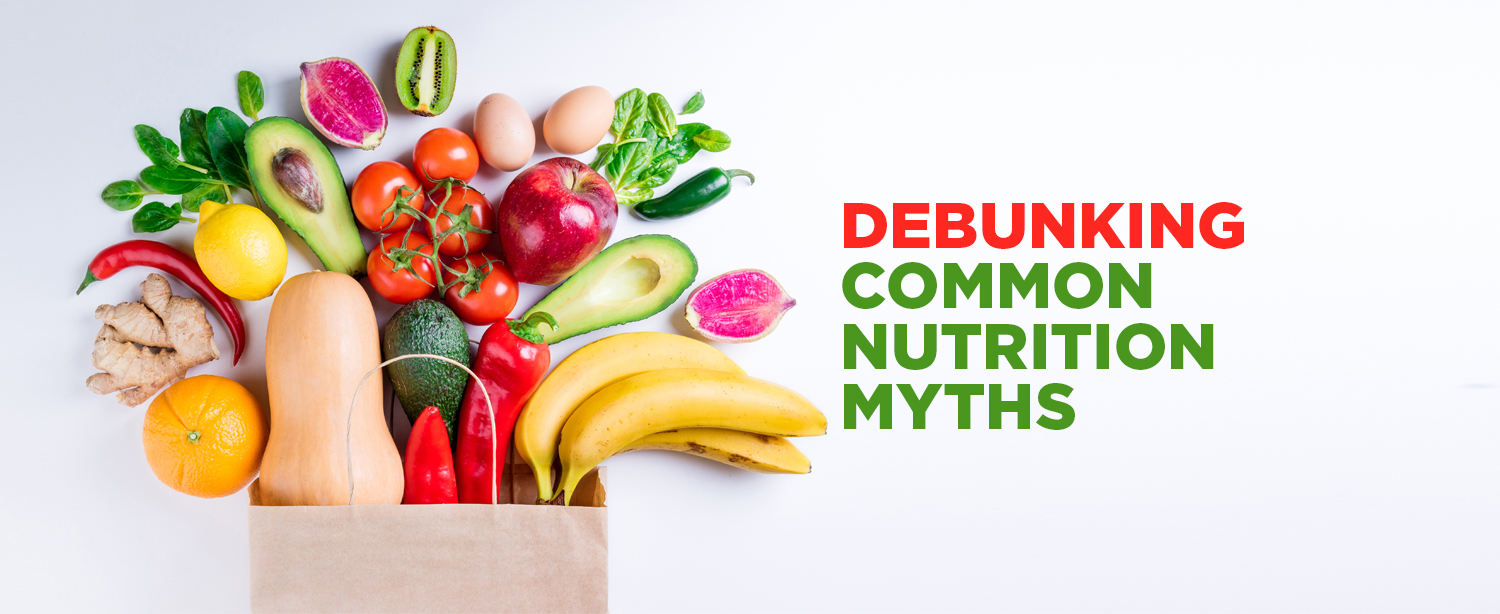
Debunking Common Nutrition Myths – Kokilaben Hospital Blog
Myth 3: Skipping Meals is a Good Way to Lose Weight
Many people believe that by simply eating less often, they will automatically lose weight. This often leads to skipping breakfast or lunch.
Debunking: Skipping meals can lead to increased hunger later in the day, often resulting in overeating and poor food choices. It can also disrupt metabolism, leading to energy crashes and reduced productivity. Regular, balanced meals and snacks help to stabilize blood sugar, manage hunger, and support a consistent metabolic rate. For some, meal timing strategies like intermittent fasting may be effective, but these are distinct from haphazardly skipping meals and require careful planning and often professional guidance.
Myth 4: You Need to Detox Your Body Regularly
Debunking common nutrition myths – Westfair Communications
The market is flooded with “detox” products and diets promising to rid your body of toxins.
Debunking: Your body has its own highly efficient detoxification systems: the liver, kidneys, lungs, and skin. These organs constantly work to filter out waste products and environmental toxins. There is no scientific evidence to support the efficacy of external detox diets or products. In fact, some can be harmful, leading to nutrient deficiencies or electrolyte imbalances. Supporting your body’s natural detoxification processes through a healthy diet, adequate hydration, and regular exercise is far more effective.
Myth 5: Eggs are Bad for Your Heart Due to Cholesterol
For decades, dietary cholesterol, particularly from eggs, was blamed for raising blood cholesterol and increasing heart disease risk.
Debunking: Research has largely exonerated dietary cholesterol for most healthy individuals. While eggs contain cholesterol, their impact on blood cholesterol levels is minimal compared to saturated and trans fats. Eggs are a nutrient powerhouse, packed with protein, vitamins, and minerals. For most people, consuming whole eggs as part of a balanced diet is perfectly healthy and beneficial. Individuals with pre-existing high cholesterol or specific genetic predispositions may need to monitor their intake more closely, but for the general population, the old advice no longer holds true.
Myth 6: Organic Food is Always More Nutritious
The perception that organic food is inherently healthier and more nutrient-dense is widespread.
Debunking: While organic farming practices avoid synthetic pesticides and fertilizers, studies have shown that the nutritional differences between organic and conventionally grown produce are generally minimal. The primary benefit of organic food lies in reduced exposure to certain chemicals. Focus on consuming a wide variety of fruits and vegetables, regardless of whether they are organic or conventional, as the health benefits of eating plenty of produce far outweigh any subtle differences in nutrient content.
Myth 7: Gluten-Free Diets are Healthier for Everyone
The rise of gluten-free products has led many to believe that avoiding gluten is beneficial for everyone, even those without celiac disease or gluten sensitivity.
Debunking: For individuals with celiac disease (an autoimmune disorder) or diagnosed non-celiac gluten sensitivity, a gluten-free diet is medically necessary. However, for the majority of the population, there is no inherent health benefit to avoiding gluten. Many processed gluten-free products are high in refined starches, sugar, and unhealthy fats, and often lack the fiber and nutrients found in whole grains. Cutting out gluten unnecessarily can lead to nutrient deficiencies and an unbalanced diet.
Myth 8: You Need to Eat Small, Frequent Meals to Boost Metabolism
The idea that grazing throughout the day keeps your metabolism revving is a common piece of advice.
Debunking: While some individuals find that smaller, more frequent meals help manage hunger and blood sugar, there’s no strong scientific evidence that it significantly boosts metabolism more than eating fewer, larger meals with the same total caloric intake. The key is total caloric intake over the day, not the frequency of meals. Some studies even suggest that longer fasting periods between meals may offer metabolic benefits for certain individuals. Personal preference and what helps manage hunger best should guide meal frequency.
Myth 9: Fruit is Too High in Sugar and Should Be Avoided
With the focus on sugar reduction, some people mistakenly believe that fruit, due to its natural sugar content, should be limited or avoided.
Debunking: While fruit contains natural sugars (fructose), it also provides essential vitamins, minerals, fiber, and antioxidants. The fiber in whole fruit helps to slow down sugar absorption, preventing rapid blood sugar spikes that occur with added sugars. Unlike processed foods with added sugars, fruit offers a wealth of health benefits and should be a regular part of a healthy diet. Moderation and variety are still key, but fruit is far from the enemy.
Myth 10: Dairy is Essential for Strong Bones
The “milk does a body good” slogan has ingrained the idea that dairy is the sole source of calcium for bone health.
Debunking: While dairy products are a good source of calcium, they are not the only source. Many plant-based foods are excellent sources of calcium, including leafy green vegetables (kale, collard greens), fortified plant milks, tofu, and some nuts and seeds. The focus should be on adequate calcium and Vitamin D intake from a variety of sources, rather than relying solely on dairy. For those who are lactose intolerant or choose to avoid dairy, there are plenty of alternative ways to meet calcium needs.
Myth 11: Everyone Needs to Drink 8 Glasses of Water a Day
This often-cited recommendation is widely believed to be the universal standard for hydration.
Debunking: The “8 glasses” rule is a generalization. Individual fluid needs vary based on factors like activity level, climate, diet, and health status. While staying adequately hydrated is crucial for overall health, your fluid intake comes from not only plain water but also other beverages and water-rich foods. Listening to your body’s thirst cues is often the best indicator of hydration needs. Urine color can also be a helpful guide – pale yellow generally indicates good hydration.
Myth 12: You Can Spot Reduce Fat (e.g., Crunches for Belly Fat)
The desire to target fat loss in specific areas is a common misconception, leading to countless hours spent on exercises like crunches.
Debunking: Unfortunately, you cannot choose where your body loses fat. Fat loss is a systemic process. When you burn more calories than you consume, your body draws upon its fat stores from all over. While exercises like crunches strengthen abdominal muscles, they won’t specifically reduce belly fat. A combination of consistent calorie deficit through diet and regular exercise (both cardio and strength training) is necessary for overall fat loss.
Myth 13: All Calories are Equal
This myth suggests that a calorie from a sugary drink is the same as a calorie from an avocado in terms of its impact on the body.
Debunking: While a calorie is a unit of energy, the source of those calories profoundly impacts satiety, nutrient delivery, and metabolic response. 100 calories from a sugary snack will have a different effect on blood sugar, hunger, and nutrient intake than 100 calories from a nutrient-dense whole food. Focus on the quality of your calories, prioritizing whole, unprocessed foods that provide essential nutrients, fiber, and satiety.
Myth 14: Artificial Sweeteners are a Healthy Alternative to Sugar
The appeal of sweetness without calories has made artificial sweeteners seem like a perfect solution for weight management and sugar reduction.
Debunking: While artificial sweeteners are calorie-free, their long-term health effects are still under investigation. Some studies suggest they may alter gut microbiota, increase sugar cravings, or even be linked to weight gain in some individuals. Furthermore, they don’t address the underlying issue of a preference for sweet tastes. Reducing overall intake of both added sugars and artificial sweeteners and retraining your palate to appreciate less sweet foods is often a healthier approach.
Myth 15: Eating Late at Night Causes Weight Gain
This myth suggests that calories consumed after a certain hour are more likely to be stored as fat.
Debunking: It’s the total caloric intake over a 24-hour period, not the time of consumption, that primarily dictates weight gain or loss. While eating a large, heavy meal right before bed can lead to indigestion or disturbed sleep, if your overall caloric intake is within your needs, eating later at night won’t inherently make you gain weight. However, late-night eating can often lead to overconsumption of unhealthy snacks, which can contribute to a caloric surplus.
Myth 16: You Need Protein Supplements to Build Muscle
The supplement industry often promotes protein powders as essential for anyone looking to gain muscle.
Debunking: While protein is crucial for muscle growth and repair, most active individuals can meet their protein needs through whole foods. Lean meats, poultry, fish, eggs, dairy, legumes, and certain grains are excellent sources of protein. Protein supplements can be a convenient option for some, but they are not a prerequisite for building muscle. Consistent resistance training and adequate overall calorie and protein intake are the primary drivers of muscle growth.
Myth 17: Eating Small Amounts of Sugar is Fine
The idea that “everything in moderation” applies equally to all foods, including added sugars, is a common misconception.
Debunking: While a small amount of added sugar occasionally won’t derail your health, the problem lies in the pervasive nature of added sugars in our modern diet. They offer empty calories, contribute to inflammation, and can increase the risk of chronic diseases. “Moderation” for added sugars should be very limited. Focusing on naturally sweet foods like fruits and reducing your reliance on added sugars is a far healthier approach than trying to fit them into a daily allowance.
Myth 18: All Saturated Fat is Bad
For a long time, saturated fat was broadly demonized as a primary cause of heart disease.
Debunking: The scientific understanding of saturated fat has evolved. While excessive intake of certain saturated fats can raise LDL (“bad”) cholesterol, not all saturated fats are created equal, and their impact varies depending on the food source and overall dietary pattern. For example, saturated fats in dairy and certain plant-based sources may have different effects than those found in processed meats. The focus should be on replacing unhealthy fats (trans fats, excessive saturated fats from processed foods) with healthy fats, rather than eliminating all saturated fat.
Myth 19: Frozen Fruits and Vegetables are Less Nutritious Than Fresh
There’s a common belief that fresh produce is always superior in terms of nutritional content.
Debunking: Frozen fruits and vegetables are often picked at their peak ripeness and flash-frozen, locking in nutrients. In some cases, they can even be more nutritious than “fresh” produce that has traveled long distances and sat on shelves for days, losing some of its vitamin content. Both fresh and frozen produce are excellent choices, and the most important thing is to consume a variety of them regularly.
Myth 20: You Should Avoid All Processed Foods
In the pursuit of a healthy diet, some believe all processed foods should be eliminated.
Debunking: The term “processed” is broad. Minimally processed foods like pre-cut vegetables, canned beans, or pasteurized milk can be convenient and nutritious. The concern lies with ultra-processed foods, which are typically high in added sugars, unhealthy fats, sodium, and artificial ingredients, and are low in nutrients and fiber. Distinguishing between minimally processed and ultra-processed foods is key. Focus on limiting ultra-processed foods while incorporating healthy, minimally processed options for convenience.
Myth 21: Eating Too Much Protein is Bad for Your Kidneys
This myth is particularly prevalent among athletes and those following high-protein diets.
Debunking: For healthy individuals with normal kidney function, there is no strong evidence that a high-protein diet harms the kidneys. In fact, adequate protein intake is crucial for muscle maintenance, satiety, and overall health. However, individuals with pre-existing kidney disease may need to restrict protein intake under medical supervision. For the general healthy population, concerns about kidney damage from typical high-protein diets are largely unfounded.
Myth 22: Brown Sugar is Healthier Than White Sugar
Many believe that because brown sugar has a slightly darker color, it is a healthier alternative to white sugar.
Debunking: Nutritionally, brown sugar and white sugar are almost identical. Brown sugar contains a tiny amount of molasses, which gives it its color and a slightly different flavor, but it offers no significant nutritional advantage over white sugar. Both are added sugars and should be consumed in very limited quantities.
Myth 23: Everyone Needs to Take Multivitamins
The belief that popping a daily multivitamin is a necessary safeguard against nutrient deficiencies is widespread.
Debunking: For most healthy individuals consuming a balanced diet, a multivitamin is not necessary. A varied diet rich in fruits, vegetables, whole grains, and lean proteins provides all the essential vitamins and minerals your body needs. In specific cases, such as during pregnancy, certain medical conditions, or dietary restrictions, a multivitamin or specific supplements may be recommended by a healthcare professional. Focus on getting nutrients from food first.
Myth 24: Grapefruit Burns Fat
This myth emerged from popular fad diets claiming that grapefruit has special fat-burning properties.
Debunking: No single food can “burn” fat. Weight loss is a complex process that depends on a sustained caloric deficit. While grapefruit is a healthy, low-calorie fruit, it does not possess any magical fat-burning enzymes or properties. It can be part of a healthy diet, but relying on it for fat loss is a misconception.
Myth 25: Sea Salt is Healthier Than Table Salt
Sea salt is often perceived as a more natural and healthier alternative to regular table salt.
Debunking: While sea salt may contain trace minerals due to its less refined nature, the amounts are negligible and do not offer significant health benefits over table salt. Both are primarily sodium chloride, and excessive intake of either can contribute to high blood pressure. The key is to moderate overall sodium intake, regardless of the type of salt.
Myth 26: Eating Low-Fat or Fat-Free Foods is Always Better
This myth was heavily promoted during the low-fat craze, leading to a proliferation of fat-free products.
Debunking: When fat is removed from foods, it’s often replaced with sugar, artificial sweeteners, or thickeners to maintain flavor and texture. These replacements can be just as, if not more, detrimental to health than the original fat content. Furthermore, healthy fats are essential for satiety and nutrient absorption. Focus on consuming whole, unprocessed foods with their natural fat content, rather than opting for highly processed low-fat or fat-free versions.
Myth 27: You Should Avoid All Nightshades (e.g., Tomatoes, Potatoes)
Some alternative health circles advocate for avoiding nightshade vegetables, claiming they cause inflammation or other health issues.
Debunking: For the vast majority of people, nightshade vegetables are highly nutritious and do not cause inflammation. They are rich in vitamins, minerals, and antioxidants. While a very small percentage of individuals may have a specific sensitivity, there is no scientific evidence to support a general recommendation to avoid nightshades. Eliminating them unnecessarily can lead to nutrient deficiencies.
Myth 28: Fasting for Weight Loss is Always Healthy and Effective
Intermittent fasting has gained significant popularity, but its effectiveness and suitability for everyone are often overstated.
Debunking: While intermittent fasting can be an effective weight loss strategy for some, it’s not a one-size-fits-all solution. Its effectiveness largely stems from the reduction in overall caloric intake. It may not be suitable for everyone, particularly individuals with certain medical conditions, pregnant or breastfeeding women, or those with a history of disordered eating. Sustainable and healthy weight loss typically involves a balanced diet and consistent exercise, regardless of specific eating windows.
Myth 29: You Need to Cleanse Your Colon Regularly
Colon cleansing products and practices are often promoted with claims of removing toxins and improving digestive health.
Debunking: The colon has its own natural cleansing mechanisms. Regular bowel movements, supported by a diet rich in fiber and adequate hydration, are sufficient to keep your colon healthy. There is no scientific evidence to support the efficacy or safety of colon cleanses, and some can be dangerous, leading to electrolyte imbalances, infections, or bowel perforation.
Myth 30: All Supplements Are Safe and Effective
The perception that if a supplement is on the market, it must be safe and effective, is a dangerous misconception.
Debunking: The supplement industry is not as tightly regulated as the pharmaceutical industry. Many supplements lack rigorous scientific evidence to support their claims, and some can even interact negatively with medications or cause adverse effects. Always consult with a healthcare professional before taking any new supplements, especially if you have underlying health conditions or are taking medications. Prioritize getting nutrients from whole foods.
Conclusion:
Navigating the world of nutrition can feel like a minefield of conflicting advice. By understanding and debunking these common myths, we can move away from restrictive, unsustainable, and often harmful dietary practices. The foundation of good nutrition remains remarkably simple: a varied diet rich in whole, unprocessed foods, adequate hydration, and regular physical activity. Empowering ourselves with evidence-based knowledge allows us to make informed choices that truly nourish our bodies and foster long-term health and well-being.


:max_bytes(150000):strip_icc()/EW-Meal-Plans-Healthy-Weight-Gain-Day-4-1x1-alt-81577102cff74485ac146541976d8b22.jpg?resize=200,135&ssl=1 "Fueling Up: High-Protein Meals For Healthy Weight Gain")


