Navigating the Labyrinth: Mastering Home health Admissions Paperwork
The journey into home healthcare begins with a mountain of paperwork. For both the agency and the patient, this initial phase is crucial, setting the stage for effective care and seamless reimbursement. However, the complexity of home health admissions paperwork can be daunting, leading to delays, errors, and potential financial repercussions. This comprehensive guide aims to demystify the process, providing a detailed overview of the essential documents and procedures involved.
Understanding the Importance of Accurate Admissions Paperwork
The admissions paperwork serves several critical functions:
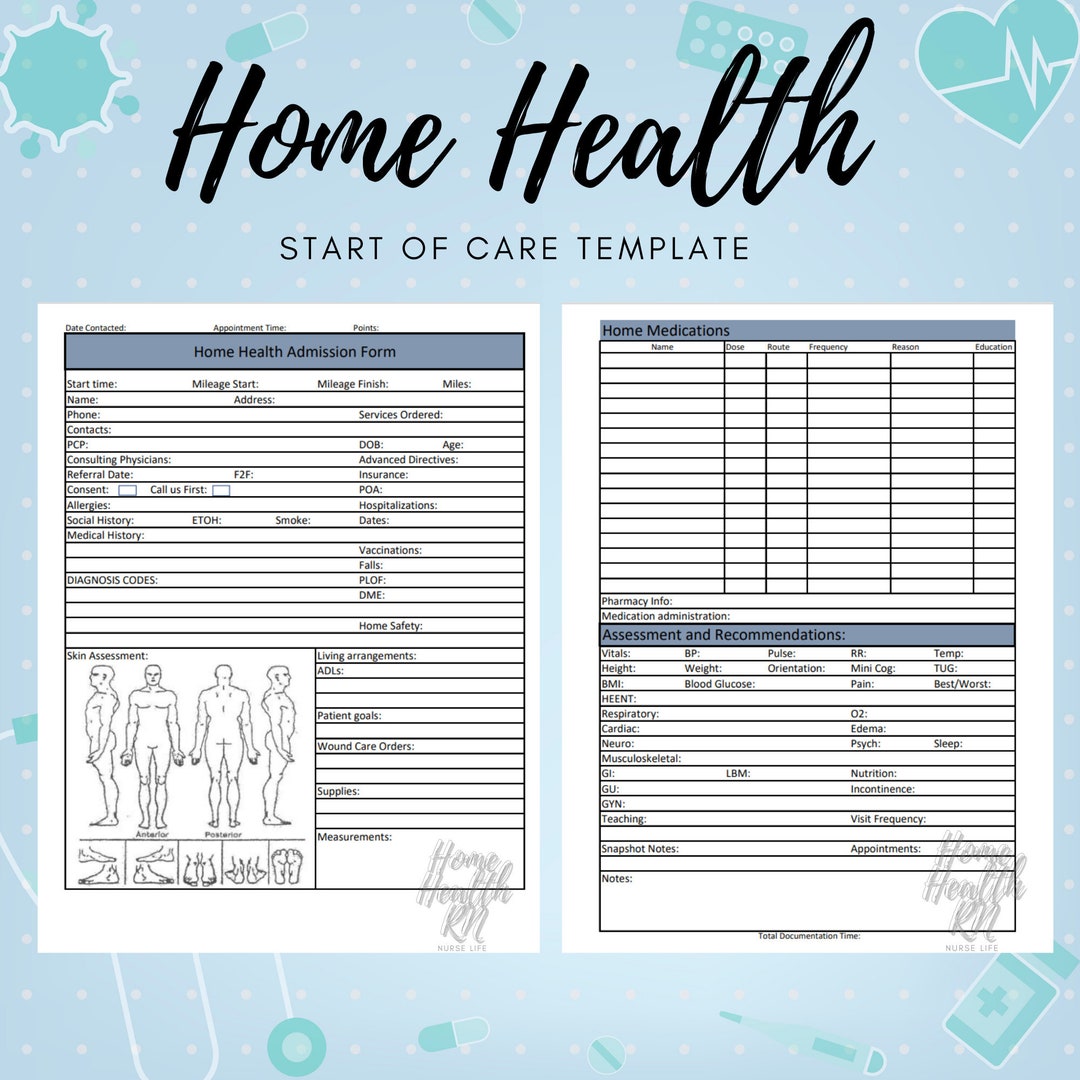
Home Health Nurse Start of Care Template OASIS Nurse Brain
Establishing Patient Eligibility: Confirming the patient meets the criteria for home health services, including physician orders, homebound status, and skilled needs.
Creating a Comprehensive Care Plan: Documenting the patient’s medical history, current conditions, medications, and specific care requirements.
Ensuring Compliance with Regulations: Adhering to federal and state guidelines, as well as payer-specific requirements, to avoid audits and penalties.
Facilitating Accurate Billing and Reimbursement: Providing the necessary documentation for submitting claims to Medicare, Medicaid, and private insurance companies.
Protecting Patient Rights and Privacy: Obtaining informed consent, providing necessary disclosures, and ensuring HIPAA compliance.
The Core Components of Home Health Admissions Paperwork
The specific documents required may vary depending on the agency, payer, and patient’s condition. However, the following are the fundamental components of a typical home health admissions packet:
1. Referral and Intake Information
Physician Referral: A written order from the patient’s physician, detailing the reason for referral, diagnosis, and required services. This is the cornerstone of eligibility.
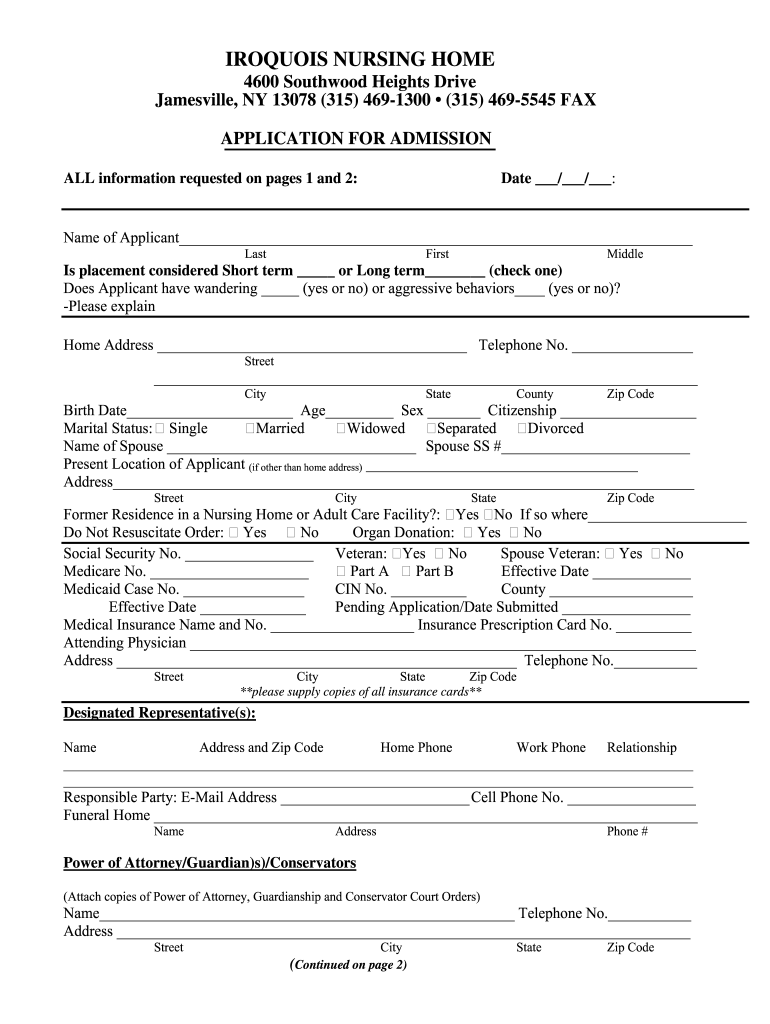
Patient Demographic Information: Name, address, phone number, date of birth, social security number, and insurance information.
Initial Intake Assessment: A preliminary evaluation of the patient’s needs, including medical history, functional status, and home environment. This helps determine if the patient is appropriate for home health services.
Prior Medical Records: Relevant medical records from hospitals, clinics, and other healthcare providers, providing a comprehensive overview of the patient’s health history.
2. Patient Eligibility and Consent Forms
Nursing Home Application Form Pdf – Fill Online, Printable
Homebound Status Determination: Documentation verifying that the patient meets the criteria for homebound status, as defined by Medicare. This typically involves a physician’s statement and an assessment of the patient’s ability to leave home.
Notice of Patient Rights and Responsibilities: A document outlining the patient’s rights, including the right to refuse treatment, confidentiality, and access to records.
HIPAA Notice of Privacy Practices: A document explaining how the agency collects, uses, and discloses the patient’s protected health information.
Consent for Treatment: A form authorizing the agency to provide home health services to the patient.
Financial Agreement: A document outlining the patient’s financial responsibilities, including co-payments, deductibles, and any out-of-pocket expenses.
Advanced Directives: Copies of any advance directives, such as a living will or durable power of attorney for healthcare.
3. Comprehensive Assessment and Care Plan
OASIS (Outcome and Assessment Information Set): A standardized assessment tool used by Medicare-certified home health agencies to collect data on patient demographics, clinical status, and functional abilities.
Nursing Assessment: A comprehensive evaluation of the patient’s physical and mental health, including vital signs, medication review, and wound assessment.
Therapy Assessments (Physical, Occupational, Speech): Assessments conducted by therapists to evaluate the patient’s functional abilities and develop appropriate therapy goals.
Social Work Assessment: An assessment of the patient’s psychosocial needs, including social support, financial resources, and emotional well-being.
Plan of Care (POC): A detailed document outlining the patient’s care goals, interventions, and frequency of visits. The POC must be developed in collaboration with the physician and patient.
Medication Reconciliation: A thorough review of the patient’s medications, including prescription drugs, over-the-counter medications, and supplements.
4. Payer-Specific Documentation
Medicare Forms: CMS-485 (Home Health Certification and Plan of Care), Advance Beneficiary Notice (ABN), and other required forms.
Medicaid Forms: State-specific forms and documentation requirements.
Private Insurance Forms: Forms and documentation required by the patient’s private insurance company.
5. Home Environment and Safety Assessment
Home Safety Checklist: An assessment of the patient’s home environment to identify potential hazards and ensure a safe environment for care.
Emergency Preparedness Plan: A plan outlining how the patient and agency will respond to emergencies, such as power outages or natural disasters.
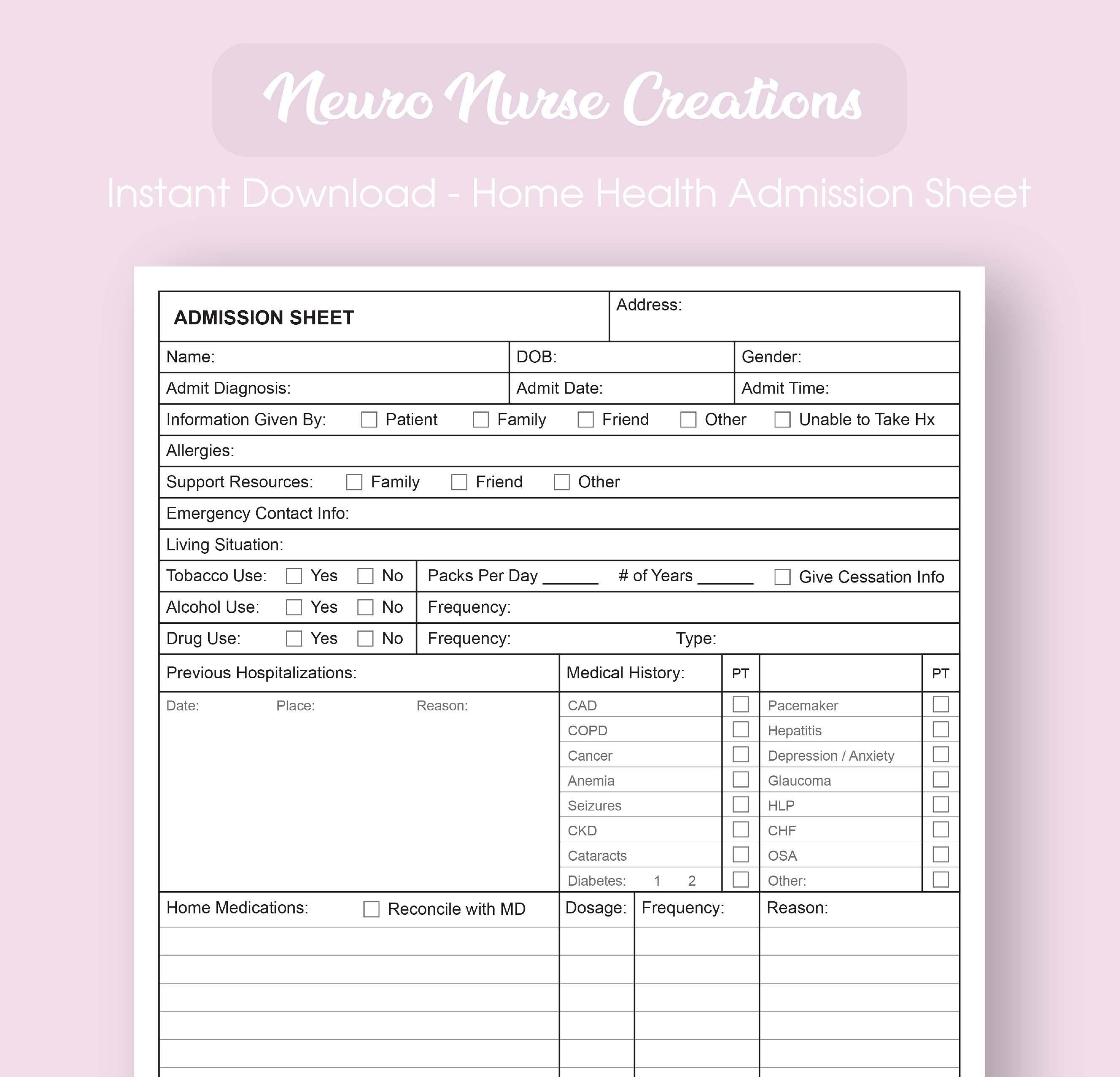
Hospice Admission Checklist – Etsy
Streamlining the Admissions Process: Best Practices
Navigating the complexities of home health admissions paperwork requires a systematic and organized approach. Here are some best practices to streamline the process:
1. Pre-Admission Screening and Planning
Conduct a thorough pre-admission screening to determine patient eligibility and identify potential challenges.
Develop a standardized admissions checklist to ensure all required documents are collected.
Communicate clearly with the patient and family about the required paperwork and process.
Obtain as much information as possible from the referring physician prior to the initial visit.
2. Utilizing Technology and Electronic Documentation
Implement an electronic health record (EHR) system to streamline documentation and improve efficiency.
Utilize electronic signature software to obtain patient and physician signatures.
Employ telehealth technology to conduct remote assessments and monitor patient progress.
Use secure patient portals to allow patients to access their records and communicate with the agency.
3. Staff Training and Education
Provide comprehensive training to staff on the requirements of home health admissions paperwork.
Conduct regular audits to ensure compliance with regulations and agency policies.
Stay up-to-date on changes to Medicare, Medicaid, and private insurance requirements.
Provide ongoing education to staff regarding any changes to documentation processes.
4. Collaboration and Communication
Establish clear lines of communication between the agency, physician, patient, and family.
Collaborate with other healthcare providers to ensure a smooth transition to home health services.
Maintain accurate and up-to-date records to facilitate effective communication and coordination of care.
5. Quality Assurance and Compliance
Implement a quality assurance program to monitor the accuracy and completeness of admissions paperwork.
Conduct regular audits to identify and address any compliance issues.
Stay informed about changes to regulations and guidelines.
Maintain accurate records in case of audits.
Common Challenges and Solutions
Despite best efforts, home health agencies may encounter challenges during the admissions process. Here are some common issues and potential solutions:
Incomplete or Inaccurate Documentation: Implement a standardized checklist and provide thorough staff training.
Delays in Obtaining Physician Orders: Establish clear communication protocols with referring physicians and utilize electronic referral systems.
Difficulty Determining Homebound Status: Provide staff with comprehensive training on the criteria for homebound status and utilize standardized assessment tools.
Payer-Specific Requirements: Develop a comprehensive understanding of payer-specific requirements and maintain up-to-date documentation.
Patient Resistance to Paperwork: Explain the importance of the paperwork and provide assistance to patients and families.
Conclusion
Home health admissions paperwork is a critical component of providing quality care and ensuring financial viability. By understanding the essential documents and procedures, implementing best practices, and addressing common challenges, agencies can streamline the process and improve patient outcomes. A well organized and accurate admissions process is the first step in providing excellent home healthcare.

:max_bytes(150000):strip_icc()/EW-Meal-Plans-Healthy-Weight-Gain-Day-4-1x1-alt-81577102cff74485ac146541976d8b22.jpg?resize=200,135&ssl=1 "Fueling Up: High-Protein Meals For Healthy Weight Gain")


